
Creating an asymmetric deterrence to counter the West
(Greek translation of the article follows)
Konstantine Kyprios, Military Analyst, EastMed News contributor
Iran subsequently obtained some military equipment from alternative suppliers, particularly China and, following the dissolution of the Soviet Union, Russia and some former Soviet Union republics.However despite the efforts and perhaps due to the success of the International restrictions, thosewerelimited regarding conventional weapons systems and Iran had to result toBallistic misisles, minesand otherasymmetric weapon systems and tactics such as to threaten to close the straits of Hormuz, and strike the international economy[i]. This was one measure as to achieve the decisive victory, another was to find a way to defend the Iranian military assets from the predominant military superiority of the West. This was done by using various ways in order to defend the land and the military capabilities by air strikes and notably by going underground. However, those acquisitions remained comparatively limited and did not provide Iran with capabilities equivalentto the technological level of theWestern systems.
Given this technological imbalance,theIranian military planners developed a strategy that did not depend on achieving conventional battlefield superiority. Instead, greater emphasis was placed on asymmetric capabilities designed to exploit vulnerabilities in an adversary’s military and economic system such as asymmetric warfare with irregular groups and proxies allies such as Houtis in Yemen, Hezbola and Hamas.Those allies that their action resulted inviolating the international law by terrorist activities and even committingatrocities such as took place in the terrorist attack in the kibuts, are one face of the antagonism of Iran with the West.However among the most important of those capabilities were ballistic missiles and naval systems,that the later were planned to threaten maritime accessinthe Strait of Hormuz[ii]. Those capabilities provided Iran with means of imposing costs on an adversary despite its conventional disadvantages. Those assets were concealed in underground facilities that have many aspects, one is to be launched by underground missile facilities, the other is for rapid dispersal, reloding procedures and firing sequences. The great number is planned to allow sustained volleys characterized as protected missile salvos in a codex of asymmetric warfare that look in to maintaining an offensive momentum.
The Islamic Revolution Guard Corp (IRGC) especially, has given significance in incorporating decentralised elements as to be secured in the face of an air attack. This strategy become more active after 2005 whenit was adopted by the IRGC Center for Strategy in order to face the predominat USA air dominace[iii]. One examble that was considered was the ineffectiveness of the Iraqi army during the Irak War were the centralization of the military system resulted to the ineffectiveness that prevented the army units even concluding the basic manouvres after the command centers have taken out[iv]. It is also meant to face the effects of decapitation strikes, aka strikes that meant to take out the command capabilities of of the army[v]. Underground bunkers had to be created and missile stockpiles have been assembled although those are a bid limited. Command and Control bunkers have been created in order to achieve a higher percentage of reducing the risk to be destroyed by USA attacks. However decentralisation results to incomplete information that may result in striking unintended target.
As such avery importantcomponent of this strategyisthe protection and survivability of Iran’s military forces against the air superiority of potential adversaries. Iran recognized that it faced a significant disadvantage not only in the size and technological sophistication of its air force, but also in its ability to defend critical military assets againstwideair campaigns. Consequently, the protection of military infrastructure through concealment, dispersal, hardening, and underground construction became an important component of Iranian military planning. In this codex the most important aspects in the Iranian defence doctrine was developed to be the underground missile bases which are constitute as fortified subterranean complexes in order to safe guard them from enemy strikes and secure an effective counter attack with the use of ballistic missiles against the enemy by storing them in ready to launch silos with a rapid launching succession procedure[vi]. The development of those installations and the adaptation of this doctrine began during the Iran-Iraq War when the Iraqi air force had air dominance over Iran as and missile superiority in contrast to Tehran’s limited air defences. As such Iran responded with the first missile base that was established in Kermanshah incorporting underground facilities that include tunnels to be protected from preemptive strikes. Giving emphasis in the command and control the IRGC proceed to the creation of a subterranean network with tunnels for storage, maintenance and rapid deployment as to integrate command, control and operational elements while connected with the decision centers.
A characteristic exampleof those bases are themissile facilities in Hormozgan Province, where underground infrastructure and launch facilities form an important component of the military complex. Similar characteristics can be observed in other facilities, including those associated with the Khorramabad area. These installations incorporate subterranean tunnel networks that can support missile storage, maintenance, deployment, and other logistic functions supported by a internal transportation system that can ensure rapid supply[vii]. The underlying logic is closely connected to Iran’s perception of potential adversaries, particularly the United States and regional states possessing advanced air capabilities, including Israel and Saudi Arabia. Rather than attempting to compete directly with these states in air superiority, Iran has sought to compensate for its conventional disadvantages through long-range missile capabilities and the protection of those systems from air attack[viii] and pre-emptive strikes.
The survivability of the missile force is therefore a central consideration. Underground facilities can provide protected locations for missile storage and operations while also facilitating dispersal and the preservation of forces following an initial attack. The ability to maintain a missile force after an adversary’s first strike is particularly important because it supports the possibility of retaliatory launches and the continuation of missile operations during a prolonged conflict and under a constant air attack. Iran’s underground facilities consequently serve several functions. These include the protection and storage of missiles, maintenance activities, logistical support, command and control, and the preparation of missile forces for subsequent operations[ix]. The extensive nature of Iran’s underground infrastructure also reflects an emphasis on dispersal and redundancy. Rather than concentrating critical capabilities in a small number of vulnerable installations, the development of geographically distributed facilities can increase the difficulty of eliminating the missile force through a single air campaign.
In this codex the Islamic Revolution guard Corp (IRGC), has given significance in incorporating decentralized elements as to secure them in the face of an air attack. As and with the main Iranian concept, so and with the Revolutionary Guard, underground bunkers have been created and missile stockpiles have been assembled although those are a bid limited. Command and Control bunkers have been created in order to achieve a higher percentage of reducing the risk to be destroyed by USA attacks under the perspective of decentralization although that this result in to incomplete information sharing that may result in striking unintended target. The decentralized concept of Iran doctrine lays at the core of this concept as to avoid detection and so destruction[x]. In this concept the storing of related resources is part of the strategy and the construction of the underground system is looking at bunkers that are storing ballistic missiles and equipment. Estimates of Iran’s missile stockpile vary widely, from roughly 2,500 before the war, according to Israel’s military, to around 6,000 according to other analysts[xi]. Underground missile bases are build since 1984. Missile bases have been created in all the places in the country that stated at depth of as much as 500 meters, although the depth might be rather dubious indeed.[xii] Within this framework, the Islamic Revolutionary Guard Corps (IRGC) has emphasized decentralized structures intended to increase the survivability of military capabilities under conditions of sustained air attack. Underground bunkers and missile storage facilities form part of this broader approach. Command-and-control infrastructure is also important because the survival of decision-making and communications capabilities is necessary for the continued operation of dispersed missile forces[xiii]. However, decentralization also creates operational challenges. The distribution of forces and command elements can complicate communications and reduce the availability of complete information to individual units. Under conditions of degraded communications, this may increase the possibility of delayed decisions, coordination problems, or attacks against unintended targets.
As such the issue of command as and the very existence of those assets must be taken in serious consideration. Under such conditions, pre-authorised target lists and delegated launch authority could be safeguard against decapitation. Similar measures have been taken and by the installations for the nuclear facilities as it happened by the adversaries during Cold war. Such a case is the town of Chalus some 20 kilometers away. A similar examble is also the installations of Fordow Plant some 160 kilometers from Tehran, originally an Islamic Revolutionary Guard Corp missile base converted to an undeground uranium enrichment facility[xiv]. The development of Iran’s underground missile infrastructure has its origins in the experience of the Iran-Iraq War. During the conflict, Iraq possessed significant advantages in air power and employed ballistic missiles against Iranian population centers and military targets, while Iran’s conventional air-defense capabilities were comparatively limited. Those circumstances contributed to Iran’s efforts to develop more survivable missile capabilities and protected military infrastructure. The establishment of underground missile facilities in western Iran, including the Kermanshah area, represented an early stage in the development of this approach. The use of tunnels and subterranean structures provided a means of protecting missile assets from observation and potential pre-emptive attacks while allowing them to remain available for operations.
Over time, this concept was developed into a broader subterranean network designed to integrate storage, maintenance, deployment, and command-and-control functions. The objective was not simply to hide missile systems underground, but to create a survivable infrastructure capable of supporting the continued operation of missile forces during a conflict and under a constant attack. The resulting system represents an important element of Iran’s broader asymmetric military strategy, in which protected long-range strike capabilitiesin hardener facilitiesare used tocounterat least in part,theweaknesses in conventional air power and air-defense capabilities both as in defense as and in strike capabilities[xv]. This version keeps your central argument but makes the progression clearer,with the evolution taking place as fallow, 1979 ruptureof evolution- loss of Western military support – technological disadvantage – Irak-Iran war – asymmetric strategy – missile forces – survivability – underground infrastructure – decentralization and command/control experience/concepts derived from the war lessons of the war with Irak.
Expansion and Characteristics of Underground Missile Facilities
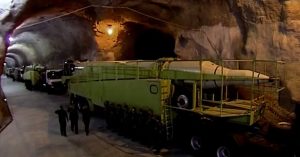
Iranian underground missile facilities are also characterized by silo structures and expand underground dispersed tunnel system. The stated purpose of these installations is to increase the survivability of missile forces and maintain their ability to respond as followingto anadversary’s attempt to destroy them through precision strikes. Publicly disclosed imagery and reporting have identified facilities reportedly housing Fateh-family precision-guided missiles and longer-range Sejjil ballistic missiles[xvi]. Another characteristic of those facilities is the incorporation ofa bunker system that support a network ofmobile Transporter-Erector-Launchers (TELs), associated equipment, and logistical infrastructure withinacovered protected underground complex. Some reporting has described facilities extending to considerable depths, particularly where mountainous terrain provides additional natural protection. Iran has also constructed extensive cavernous tunnel networks for missile storage and support. In some cases, thοse networks have been reported to incorporate internal transportation systems intended to facilitate the movement of missiles and equipment within the complex.
The combination of fixed and mobile infrastructure provides Iran with several different methods of maintaining missile survivability.Vertical storage and launch structures can provide protected locations for missiles, while mobile TELs allow missile units to operate from dispersed positions. The use of mountainous terrain provides an additional layer of physical protection because rock formations can serve as natural hardening against conventional air strikes. Iranian underground facilities are therefore not necessarily limited to the role of missile storage. They can incorporate multiple functions, including storage, maintenance, transportation, command and control, and preparation for missile operations[xvii]. This multifunctional character is important because it allows underground infrastructure to support the broader operational continuity of Iran’s missile forces while under attack.
Public disclosures that verified those installations, increased substantially during the 2020s. Videos released by the Islamic Revolutionary Guard Corps (IRGC) have shown hardened underground facilities containing ballistic, cruise, and other missile systems. Those disclosures have been presented by Iranian authorities as evidence of the survivability and scale of the country’s underground military infrastructure. In March 2025, amid the escalation of hostilities involving Iran and Israel, Iranian authorities publicly revealed what was described as a “missile city.” Images showed extensive underground tunnels containing large numbers of ballistic missiles, including systems from the Ghadr and Emad families. Iranian commanders presented the installation as being designed to withstand pre-emptive attacks and emphasized its hardened underground construction. The facility was also depicted as incorporating protected launch infrastructures and measures intended to complicate an adversary’s efforts to locate and destroy the missile force. A subsequent disclosure occurred on March 23, 2026, when Iran’s state broadcaster IRIB News aired footage depicting missiles alongside naval drones, sea mines, and unmanned surface vehicles within large underground tunnels[xviii]. The imagery illustrated that Iran’s subterranean military infrastructure extends beyond ballistic missiles and can also support naval and asymmetric capabilities.
Command, Control, and Decentralization
The survivability of the missile force depends not only on physical protection but also on the ability of command-and-control networks to continue functioning under attack. Communication networks are potentially vulnerable to electronic warfare, jamming, and precision strikes. The air superiority and long-range strike capabilities are available to the United States and Israel therefore create challenges for Iran’s ability to maintain centralized oversight of dispersed forces during a conflict. This vulnerability provides an important rationale for the decentralized organization of Iran’s missile forces. Dispersed command elements and protected facilities can reduce the consequences of the destruction of a single headquarters or communications node. At the same time, decentralization creates its own limitations. Reduced information sharing between geographically separated units can result in incomplete situational awareness and coordination difficulties. Under conditions of disrupted communications, this could complicate the identification of targets and the synchronization of military operations.
Iran’s approach therefore involves a balance between centralized strategic direction and decentralized execution. Protected command facilities can preserve higher-level decision-making, while geographically dispersed units can maintain a degree of operational independence if communications with central authorities are disrupted. The concept of survivable command and control has also been relevant to Iran’s nuclear infrastructure[xix]. The Fordow facility, for example, is a deeply buried installation near Qom that was originally constructed as a military facility and subsequentlyalteredfor uranium enrichment. Its characteristics illustrate the broader Iranian emphasis on underground and hardened infrastructure for strategically important capabilities. Claims concerning the precise origins and original intended purpose of particular facilities should, however, be distinguished from established facts and supported by appropriate sources.
Underground Storage and Missile Deployment
Iran’s underground missile network reportedly includes facilities for storing short- and medium-range ballistic missiles as well as associated equipment. The combination of vertical launch structures, tunnel networks, and mobile TELs provides several potential methods for dispersing missile assets and maintaining their survivability. Tunnel complexes can provide protected areas for storage and maintenance while allowingTELto move between protected and secondary positions. In this sense, the underground network functions as an extension of the missile force rather than simply as a static storage facility[xx]. The objective is to preserve the force’s ability to operate even after an adversary has conducted an extensive air campaign against known military installations.Key elementoftheIranian underground facilities has been the internal transportation systems,thatincluds rail-like mechanisms, for moving missiles and equipment through the tunnel system that resupply those base. Such systems could facilitate the movement of heavy equipment within confined subterranean environments and reduce the exposure of personnel and equipment to external observation.
However, detailed claims concerning the exact mechanisms, dimensions, operating procedures, and capabilities of individual facilities require independent verification and should not be generalized across the entire Iranian underground network. The reported existence of vertical launchformationsis another significant characteristic. Fixed launch structures can provide a protected location from which missiles can be prepared for launch, while mobile TELs provide greater flexibility by allowing launch assets to relocate within or outside the immediate facility. Together, those elements contribute to a system designed around survivability, dispersal, and redundancy. The underground complexes can consequently be understood as part of a broader Iranian strategy of protected missile deployment. Rather than relying exclusively on conventional military bases that can be identified and targeted from the air, Iran has invested in subterranean infrastructure intended to complicate detection and destruction. This approach complements the country’s reliance on ballistic and cruise missiles as and asymmetric capabilitiesthatintended to offset its disadvantages in conventional air power.
Those facilities have been created in order to storage and deploy medium range ballistic missiles, especially in tunnel infrastructure. The vertical silos are one aspect and they have been created to be connected with the rail system for underground resupply in many cases as it has been mentioned. While the mobile transporter erector launchers are using the underground networks that allow them reloading and rapid positioning prior to launch, those are deployed in the open however the system of tunnels allow them survivability and flexibility and the capability for redeployement. The installations features multi-level tunnels layouts that looks in to organizing storage racks and launch points in order to support missile salvo operations and coordinated barrages from dispersed silos that are large in numbers in any case.
Those sites have also enabled sustained missile salvos with independent/mobile TELs that are been constantly repositioned between their underground hiding and the primer, secondary and other alternative positions. The underground automated rail systems also looks at enabling rapid and protected missile deployment. As such launch sequels is taking place as fallow, first a missile carrier moves along internal rails and then the system rises to the surface via hydraulic or elevator mechanism then the missile is fired and the launcher is immediately retreats underground while the exit is sealed by armored blast doors or airlocks. Confirmed the rail infrastructure both for the resupply of those base as and for the missiles within those base, has been remained operational, allowing continued (though reduced) ballistic missile barrages from central and southern sites after degradation of western launch capabilities. Satellite imagery showed damage to entrances but survival of deeper rail networks in granite-heavy mountains (e.g., Yazd province), where overburden exceeds penetration depths of the conventional bunker-busters like the GBU-57 MOP. The latter is perhaps a case for penetration of most facilities as those are at depths up to 50 meters, while the bomb can go down to 60 meters, however it can go only up to 18 meters of concrete.[xxi] The combination of depth and concrete layers means that is quite improbable the bomb could penetrate most of the undeground facilities in order to destroy them completely. In any case there are only a few and war production has to take which is unknown what kind of numbers of weapons it can deliver and in any case it can only be carried in pairs by the B-2 Spirits that are 21 in total in service. The other alternative the GBU-43.B MOAB is ¾ of the GBU-57 is also produced in limited numbers of 15 to 20 and unknown how many can be produced and it is carried by a slow transport cargo aircraft the C-130 that has to deliver the weapon above the facility, which make it also vulnerable to anti aircraft gunnery.
As the operations have to take place under the air dominance of the USAF or the Gulf Cooperation States, underground logistical efficiency has to take place, with long, open tunnels designed for maneuverability. A key domestic adaptation is the deployment of rail systems within these tunnels for transporting heavy payloads and achieving quick times, as showcased and in the IRGC subterranean facilities automated rails traversing vast networks do position assets rapidly. Those systems enable efficient internal logistical support in confined spaces, compensating also in many cases also for the challenges of surface access in remote, hardened sites. Iran’s underground missile bases facilitate the storage and deployment of medium-range ballistic missiles (MRBMs), including liquid-fueled variants like the Emad and solid-fueled types integrated through specialized tunnel infrastructure. Those complexes house missiles in hardened bunkers and vertical silos designed for direct launches, with rail systems enabling sequential positioning and firing from individual sites. Mobile transporter-erector-launchers (TELs) as it has been mentioned are also included in the conceptual approach and are maneuvered within extensive underground networks, allowing for protected transit, reloading, and rapid positioning prior to launch, thereby enhancing survivability and flexibility in deployment. Cruise missiles, such as the Paveh, are also accommodated in select facilities, expanding integration to anti-ship and land-attack roles.
The main feature of the Iranian underground missile bases is that they have been engineered through horizontal tunneling into mountain flanks, and exploiting the natural overburden of rock formations in geologically stable regions. As such passive hardening against precision strikes has been achieved. Construction techniques emphasize excavation of extensive tunnel networks and caverns, often reinforced with thick concrete linings at entrances and key structural points to withstand blast effects. As those have been duged in most cases in depths as much as 60 meters in conjunction with the reinforced concrete they will result in withstanding most of USAF and Israeli weapons beside the Massive Ordenance Weapons. As such and as it has already been referred, the USAF and IDF fighters will have to use PGMS capable to be directed to pint point targeting of specific features such as the missile silos. As such direction by the adequate forces such as Special Forces, Satellites or Drones can find and direct those hits. In any case those sites are incorporating semi-recessed or fully subterranean chambers, as spotted in facilities like Haji Abad, where large circular structures approximately 20 meters in diameter feature outer walls at least 5 meters thick, connected via underground access tunnels. Other elements that have been observed at Haji Abad, include the integration of cylindrical elements potentially serving as missile storage or launch preparations sites, and that include internal layouts prioritizing logistical efficiency.
A key domestic adaptation is the deployment of rail systems within those tunnels for transporting heavy payloads, depicting automated rails traversing vast networks to position assets rapidly. These systems enable efficient internal logistics in confined spaces, compensating for the challenges of surface access in remote, hardened sites. As importing heavy machine lacks, compelling reliance on indigenous tunneling methods, includes manual and explosive excavation supplemented by reverse-engineered drilling technologies. This approach has enabled sustained construction despite procurement barriers. Missiles are stored vertically in magazines and are allowed to be launched in rapid succesions deployed in individual fortified ready to fire platforms. One example is the Herzliya an underground missile base which is described as a complex system of enormous tunnels and can be used by Iran for a suprise barrage missile attack. Underground missile bases have been spoted in Kenesht Canyon, Panj Pelleh, Bakhtaran, and in Tehran. In Tenheran a bunker was destroyed that was intented to be used as a secure emergency command center[xxii] Strategic Significance
The importance of Iran’s underground missile infrastructure therefore lies less in any individual installation than in the broader networked concept. Hardened facilities, dispersed storage facilities, mobile Transporter Erector launchers, protected command infrastructure, and alternative communication arrangements collectively seek to increase the survivability of Iran’s missile forces. Estimates of the size of Iran’s missile inventory is under speculations Public estimates have ranged from approximately 2,500 missiles before the war, according to figures attributed to the Israeli military, to substantially higher estimates produced by other analysts. Such figures should be treated cautiously because the definition of the missile inventory, the date of the estimates, and the methodology used can differ significantly between sources. Iran’s development of underground missile infrastructure dates back several decades, with the foundations of the system emerging during the Iran-Iraq War and subsequent expansion beginning during the 1980s. Over time, these facilities have developed into a geographically dispersed network incorporating storage, maintenance, command, transportation, and launch functions.
The resulting architecture reflects the central logic of Iran’s asymmetric military doctrine, where conventional air superiority is difficult to achieve survivability and the ability to maintain a retaliatory strike capability becoming particularly important. Underground facilities are therefore intended not merely to conceal missiles, but to preserve the continuity of using the ballistic missile force in the event of a major precision-strike air campaing. From this perspective, Iran’s underground missile network represents a form of strategic insurance. Its purpose is to make the destruction of the country’s missile capabilities more difficult, increase uncertainty for an attacking force, and preserve sufficient military capacity to conduct operations after an initial attack. At the same time, the system remains subject to significant limitations, including the vulnerability of communications and command networks, the difficulty of coordinating dispersed forces, and the possibility that adversaries can identify and target elements of the network through intelligence, surveillance, reconnaissance, and precision-strike capabilities.
Those bases as it has mentioned are incorporating thousands of short and medium range missiles that remains inside the underground bases[xxiii]. The Republican Guard is also using underground missile bases in Southern Iran were the one that are known are as many as three. Those bases are part of the known system created to protect and avoid the destruction of Iran’s capabilities from the total air dominance of the United States. The weapons that houses are different and are oriented towards the protection of naval assets. Aka, a number of naval vessels, long-range surface to surface missiles as and submarines are housed within those installations. Those weapon systems are part of Iran’s policy to strike US and commercial vessels in a case of war, aka part of the asymmetric warfare system of Iran. The verify weapon systems that are housed there are two kilo class submarines, 16 Ghadir class midget submarines, of which 11 allegedly have been destroyed and up to 10 Kaman missile boats .
Most of those facilities have been constructed in depths of 40 to 50 meters as to be safe from possible air attacks. The Natanz is a typical construction that covers 100.000 square meters build 8 meters underground and protected by a concrete wall 2.5 meters thick while the roof is covered by 22 meters of earth[xxiv]. As such the use of Mass Ordenance Bomb can be considered dubious as it can penetrate either 60 meters of earth or 18 meters of reinforced concrete. Again the network of Iran’s underground naval bases is of great importance as it houses a number of ships that are meant for interrupting the free shipping in the Hormuz straits. Beside the ships, the bases also house hundreds of missiles that also include missile launchers that are stored in winding underground tunnels, in an unspecified location in southern Iran. The base is one of several speculated built underground for vessels that are carrying surface to surface missiles. As it has been mentioned the first such underground base that was revealed is housing missile boats in depths as much as 500 meters – not defined if in widht or in depth- and near the straits of Hormuz, were 20% of oil resources are pass. The depth is rather dubious however it might mean in length and not in depth. Such ships are the Targeh class speedboat, were in total 50 of them have been acquired by the Iranian military in 1980s, although small in size are large enough to carry missiles and can be used to attack the ship routes at the straits of Gulf which are the target of the Iranian Navy. In this base that has tunnels it includes large numbers of Taregh class speedboats that are radar evading[xxv],
. Another aspect are the communication networks that are vulnerable to interception and jamming. Senior commanders have been targeted as part of air campaign and air superiority of the US and Israel that limits central oversight. Under such conditions, pre-authorised target lists and delegated launch authority could be deliberate safeguards against decapitation. Similar are and the installations for the nuclear facilities. One such is the town of Chalus some 20 kilometers away. Similar are also the installations of Fordow Plant some 160 kilometers from Tehran, originally an Islamic Revolutionary Guard Corp missile base converted to an undeground uranium enrichment facility[xxvi]. In this way as it has been mentioned Iran is looking to counter the predominant air superiority of its rivals, the tunnel complex are parts of this philosophy and are looking in creating a network that secures Iran’s main assets, to repeat notably its command and communication network as and its ballistic missiles assets. Such an installation is and the Ali Khamenai that is a network of underground tunnels stretching several kilometers, perhaps up to 5 kilometers beneath central Tehran, that is used to be served by the Iranian political and military leadership[xxvii].
The underground tunnel complexes that houses the nuclear research facilities is one more case. They are also constructed in the same way as an underground complex. Such is the Natanz underground facility located as any other installation in the mountain complexes. This installation as and this of the Fordow uranium enrichment site are deeply buried. The latter is much larger than the Iran Centrifuge Assembly Center and due to the size it also consider that has an enrichment facility. The construction is typical of those structures and part of its plan is the two tunnel entrances and as many as three tunnel portals that increase the level of survivability in the face of one of those been destroyed. In the case of the Fordow installations you can find them in depths of 80 to 90 meters while the internal depth can go as far as 145 meters[xxviii]. In June 2025 operations against such sites were not able to prevent Iran from launching sustained missile salvos despite external pressures, with TELs re positioned between underground and emergent positions.
As such those bases are also spread across the country and are used for the storage of ballistic and cruise missiles, the protection of TEL, the assembly and preparation of systems and the command and control operations. It is consider in any case as a modular and networked system in deep tunnels carved in rock and reinforced soil with blast resistance doors at the entrance. To repeat, their system is highly developed and consider of underground roads and rails for the movement of equipment with storage bays connected to launch preparations areas and the support of rapid to surface in launch positions. The widely known are three sites with storage assembly for preparation and launch support. The constructions includes reduce visibility as they are buried and the entrances can be camouflaged. Their existence complicates military planning, reduces the effectiveness of conventional strikes, and reinforces a central reality of modern conflict: deeply buried and distributed systems are among the most difficult military capabilities to eliminate[xxix].
One prominent underground missile facility in the Tabriz Missile Base, serves as Iran’s second major missile complex and features hardened underground silos capable of housing and launching medium-range ballistic missiles (MRBMs) such as the Shahab-3 variants[xxx]. The resiliants of those faciities show cased by satellite imageryfrom June 2025 revealing extensive damage to surface structures at the site following Israeli strikes, though underground elements remained intact. The Khojir Missile Production Complex is a case of moving production and supporting facillities of the war effort in order to protect them from theWesternair strikes. In a similar way perhaps that the Nazi germany did during the final stages of World War 2. Southeast of Tehran andas part of the Parchin military site, an underground tunnel network for solid-fuel rocket motor production for ballistic missiles and other missile parts as and testing warheads[xxxi], have been constructed, with facilities for mixing and casting propellant and as such show casing the extent of preparation of the Iranian military facilities to include underground manufactures[xxxii].
Iranian Underground Missile Facilities and Their Role in Force Survivability
Iran has developed an extensive network of underground missile facilities intended to protect missile forces and associated infrastructure from aerial attack. These facilities generally exploit natural geological protection by tunnelling horizontally into mountain flanks or constructing hardened chambers beneath substantial layers of rock[xxxiii]. The resulting overburden provides a degree of passive protection against conventional precision-guided weapons, while reinforced entrances and selected structural elements providing additional protection against blast effects. Some of those facilities consist primarily of tunnels and underground storage areas, while others incorporate dedicated launch positions, hardened chambers, access portals, and support infrastructure or a combination of both. satellite imagery and specialist assessments have identified underground missile complexes in several parts of Iran, including the Kermanshah region and the Haji Abad area. The Haji Abad facility, for example, was modified between 2017 and 2019 with large circular structures approximately 20 metres in diameter[xxxiv].
Several of these structures were partially or completely recessed into the ground and incorporated external walls reportedly at least five metres thick. Analysts assessed cylindrical objects within the structures as possible missile launch canisters, although their precise function could not be established conclusively from imagery alone. A significant feature of Iran’s underground missile infrastructureas it has been already mentionedis theadaptationof transportation and logistic systems in order to support the continues operation of missile barages. Iranian state media has displayed subterranean facilities containing road-mobile missile launchers and other equipment. Some facilities have also been depicted with internal rail or rail-like transportation systems intended to facilitate movement of heavy equipment through underground networks[xxxv]. Such infrastructure can reduce reliance on exposed surface transportation routes and allow equipment to be moved between protected areas. However, the precise extent and operational characteristics of those systems across Iran’s underground facilities remain difficult to be establish from publicly available evidence.
Iran’s underground facilities support a range of ballistic-missile systems. Those include liquid-fuelled missiles such as the Emad and solid-fuelled systems such as the Sejjil and Kheibarshekan. Underground infrastructure can accommodate storage, maintenance, preparation and, in some cases, launch activities. Iran has also demonstrated the capability to launch ballistic missiles from concealed or hardened positions. During exercises such as the July 2020 Great Prophet 14 exercise, Iranian forces publicly demonstrated launches from underground facilities, illustrating the intended relationship between subterranean protection and rapid missile employment[xxxvi].The broader concept is often described in Iranian sources asit has been refererd a network of underground “missile cities.” Those facilities are intended to distribute missile assets across multiple protected locations rather than concentrating the entire force in exposed surface installations. Road-mobile transporter-erector-launchers can be stored or sheltered underground and subsequently moved to launch positions. This approach provides a degree of flexibility because missile forces can be dispersed, concealed and relocated rather than remaining permanently associated with a single exposed launch site.
The survivabiity of these facilities has nevertheless been challenged by sustained air operations. During Operation Epic Fury, which began in February 2026, U.S. and Israeli forces targeted Iranian missile infrastructure, including entrances and surface facilities associated with underground complexes. CNN’s March 2026 investigation examined satellite imagery from 27 underground bases and 107 tunnels and reported extensive damage to tunnel entrances, in which there is one[xxxvii]. The investigation also identified evidence of attempts to restore access to underground facilities after strikes[xxxviii]. Contemporary reporting therefore suggests that the principal vulnerability of underground missile complexes is not necessarily the immediate destruction of every underground chamber that in many cases due to the depth that might be impossile with means at least available at those phase of the war and due to cost and number of specialized weapons available. Instead, attacks on entrances, access routes, launch-supportfacillitiesand surface equipment can restrict the ability of personnel to access, reload and deploy systems stored underground.
The Wall Street Journal similarly reported that U.S. and Israeli strikes damaged entrances and surface infrastructure at several Iranian missile complexes, including facilities in the vicinity of Shiraz, Isfahan, Kermanshah and Tabriz[xxxix]. Iran’s long-standing strategy of safeguarding its vast missile arsenal in underground “missile cities” has become a vulnerability in its conflict with the U.S. and Israel. Less than a week into the war, coordinated airstrikes are targeting these subterranean bases, with surveillance and attacks focused on missile launchers as they emerge to fire. Satellite imagery confirms destruction at several sites, including Shiraz, Isfahan, Kermanshah, and Tabriz. The U.S. and Israeli militaries have neutralized much of Iran’s air defenses and degraded its retaliatory capacity, with missile launches plummeting 86% in four days,while despite thelaunchingofover 500 missiles, many were intercepted or failed to cause significant damage[xl]. Some Iranian missiles and launchers were dispersed before the war, but hundreds have been destroyed. Analysts highlight the shift in vulnerability—previously mobile assets are now static and easily targeted.
The reliance on above the ground infrastructure makes identifying and striking those sites a hard task and Iran may still hold weapons in reserve, and while it can replenish missiles, replacing launchers anddestroyedinfrastructure is a serious issues. Airstrikes are strategically divided, with U.S. forces concentrating on southern bases and Israel on northern locations. Those operations have mild to high success and Israel Defense Forces (IDF) claim that have destroyed ta least 2/3 of Iran missile launchers, aka 330 from 470 although as we might see further down the case might deffer. The assesment states tht those have been destroyed in direct strike, that means the targeting of the silos or the TEL in direct hit with Precision Guidance Missiles (PGMs), while the other half have been buried by the use of other weapons and are are considered at least for the time unavailable to be used[xli]. Iran’s attempts at underground missile silos remain rudimentary and largely unused due to operational limitations. The effectiveness of subterranean protection consequently depends on the depth, geological characteristics, structural reinforcement and configuration of individual facilities, as well as the availability of multiple entrances and alternative access routes. Claims that partiνcular underground rail networks or deeper chambers survived individual strikes should therefore be treated as site-specific assessments.
The Kermanshah region provides an example of the geographical distribution of this infrastructure. Open-source assessments have identified missile-related facilities around Konesht Canyon and Panj Pelleh, while the Bakhtaran missile base has also been associated with underground infrastructure. The Nuclear Threat Initiative describes the Bakhtaran facility as including an underground component, munitions-storage areas and missile launch infrastructure[xlii]. Iran has also constructed underground facilities associated with its naval forces and coastal defence architecture as it has been mentioned. Those should be distinguished analytically from the country’s ballistic-missile – “missile cities,” – since their functions and equipment differ. Underground or hardened naval facilities can provide protection for vessels, missiles and other equipment from aerial surveillance and attack, while supporting Iran’s broader strategy of maintaining dispersed and survivable forces. Overall, Iran’s underground missile infrastructure represents a layered survivability system rather than a single type of facility. Natural geological protection forms the first layer, reinforced structures and concealed entrances provide additional protection, while dispersion and mobility reduce the vulnerability associated with concentrating missile forces in exposed locations. At the same time, the 2026 conflict demonstrated that underground facilities remain vulnerable indirectly through attacks on entrances, surface infrastructure, launch-support equipment and access routes[xliii]. The available evidence therefore supports describing these facilities as enhancing survivability, rather than treating them as impervious to sustained precision strikes.
Another important aspect concerns the communication networks that support those facilities, which may be vulnerable to interception, disruption, and jamming. Senior commanders have also been targeted as part of the US and Israeli air campaigns, potentially limiting centralized command and oversight. Under such conditions, pre-authorized target lists and delegated launch authority could serve as deliberate safeguards against the disruption or decapitation of the command structure. A similar logic can be observed in the construction of Iran’s nuclear-related installations. One such location is near the town of Chalus, approximately 20 kilometers from the relevant underground facilities. The Fordow uranium-enrichment facility, approximately 160 kilometers from Tehran, represents another example. Fordow was originally associated with an Islamic Revolutionary Guard Corps (IRGC) missile facility before being converted into an underground uranium-enrichment site. In this respect, Iran’s underground infrastructure can be understood as part of a broader effort to compensate for the air superiority of its adversaries[xliv]. The tunnel complexes form elements of a wider network intended to protect key national assets, particularly command-and-control and communications infrastructure as well as ballistic-missile capabilities.
One example is the network of underground facilities reportedly associated with Iran’s political and military leadership in Tehran. Those tunnels are believed to extend for several kilometers beneath central Tehran, potentially reaching approximately five kilometers in total length, and have reportedly been designed to support the continuity of Iran’s political and military leadership.ii Underground tunnel complexes housing nuclear research and enrichment facilities provide another example of this approach. The Natanz underground complex is located within a mountainous environment and, like the Fordow uranium-enrichment facility, is deeply buried. Fordow is substantially larger than the Iran Centrifuge Assembly Center, and its dimensions are consistent with its role as an enrichment facility[xlv]. Its construction includes two tunnel entrances and as many as three tunnel portals. Estimates place some parts of the Fordow installation at depths of approximately 80–90 meters, while certain internal sections may extend to approximately 145 meters.iii
The resilience of these underground facilities is also relevant to Iran’s ability to sustain missile operations under attack. During the June 2025 operations against Iranian military and strategic infrastructure, Iran continued to conduct missile launches despite external pressure. TELs could reportedly be repositioned between underground storage areas and surface launch positions, reducing their exposure to attack. This procedure is intended to reduce the time required to move and prepare missile systems, potentially allowing launches to occur within a relatively short response window. During the subsequent US-Israel-Iran conflict, referred to as Operation Epic Fury, the resilience of underground infrastructure became an important consideration. Sustained airstrikes against tunnel entrances, storage bunkers, and associated surface infrastructure demonstrated the difficulty of neutralizing deeply buried facilities. Reports and satellite imagery indicated damage to entrances and surface infrastructure while suggesting that deeper portions of some tunnel networks remained intact. In mountainous areas, including parts of Yazd province, substantial rock overburden may provide additional protection against conventional penetrating weapons. In this case as it has been mentioned what should be take place is the use of precision guidance weapons at specific features of the facilities like the missile silos, the ventalation systems, the entrances and other features.
Many of Iran’s underground military facilities have reportedly been constructed as it has been discusse at depths of approximately 40–50 meters to reduce their vulnerability to air attack. Natanz provides a notable example. The underground complex covers approximately 100,000 square meters and is reportedly situated several meters below ground, with substantial concrete protection and an additional layer of earth covering the structure with layers as much as 22 meters[xlvi]. Those characteristics illustrate the general principle behind Iran’s underground strategy, critical infrastructure is placed beneath layers of soil, rock, and reinforced construction in order to complicate detection, targeting, and destruction. Iran’s network of underground naval facilities represents another important component of this strategy. Those facilities reportedly provide protected storage and operating areas for missile boats, missiles, and associated launchers. The vessels are intended, among other purposes, to threaten maritime traffic through the Strait of Hormuz. Missile systems and launchers can be stored within winding underground tunnels,withthe precise locations oftheinstallations remainto any possible extentundisclosed. Onone case an underground naval facilitiy that was publicly revealed was reported to contain missile boats at considerable depth near the Strait of Hormuz, a strategically important waterwaywherea significant proportion of global oil shipments passes. Among the vessels associated with Iran’s naval forces are Taregh-class speedboats. Iran acquired approximately 50 such vessels during the 1980s. Although relatively small, these boats are capable of carryinga 106 mm recoil gun and a 12 barreled MRL of 107 mm and can be eployed in assymetric warfare in operations against shipping and maritime traffic in the Persian Gulf and the Strait of Hormuz[xlvii].
The underground facility reportedly contains significant numbers of these vessels and incorporates measures intended to reduce their vulnerability to detection, including the use of concealed underground storage and radar-reduction characteristics[xlviii]. A similar principle can be observed in Iran’s development of underground facilities for its air force and the Islamic Revolutionary Guard Corps weapon systems. Those installations form part of a broader system designed to protect aircraft, missiles, command infrastructure, and other strategically important assets from aerial surveillance and attacks. Collectively, Iran’s underground military infrastructure represents an effort to increase the survivability of critical capabilities by dispersing them, concealing them, and placing them beneath substantial layers of earth and rock. The resulting network is intended not only to protect individual weapons systems but also to preserve the continuity of command, communications, and military operations in the event of sustained air attack.
Of similar construction are and the underground air bases of the Iranian air force and revolutionary corp[xlix]. A prominent example is Eagle 44, an underground military base reportedly designed to house fighter aircraft and unmanned aerial vehicles (UAVs) within a mountainous environment, thereby reducing their vulnerability to aerial attack. The facility has also been associated with electronic-warfare capabilities.[l] Underground facilities for UAVs are reportedly widespread throughout Iran and may exist in numbers comparable to the country’s underground missile facilities, although the precise number remains uncertain. By comparison, Iran operates a more limited number of major underground air bases. Those facilities can incorporate command posts, aircraft shelters and hangars, repair and maintenance areas, alert facilities, airfield equipment, and fuel-storage infrastructure. They are intended to enable the operation and protection of Iran’s relatively limited inventory of advanced combat aircraft. This includes approximately 30 MiG-29 aircraft, while Iran has also pursued or been associated with plans to acquire additional aircraft and helicopters, including the Sukhoi Su-35, Yak-130, and Mil Mi-28[li]. The development of those facilities reflects the broader concept of the “missile city,” in which hardened underground installations embedded within mountains or reinforced terrain form a central component of Iran’s defensive strategy.
Those underground bases are distributed across the country and are used for the storage of ballistic and cruise missiles, protection of mobile launchers, assembly and preparation of weapon systems, and command-and-control activities. As it has been mentioned this concept can be understood as a modular and networked architecture consisting of deep tunnels excavated through rock and reinforced terrain, with blast-resistant entrances and protected internal infrastructure connected with a networkd of command posts and other bases such as uderground naval bases and air bases. All those are lightly connected with a network that as a target has to perform an asymetric warfare against the west, that include the closing of Hormuz Straits by intercepting the commercial trafic, the protection of the air assets such as drones and fighters and as it has been highlighted that of ballistic missiles.
In some facilities, underground roads and rail systems are facilitating the movement of equipment between storage areas, preparation facilities, and launch positions. The concealment and dispersion of these installations are intended to reduce their visibility and complicate efforts to identify and target them. Entrances can be concealed or camouflaged, while the distribution of facilities across multiple locations reduces reliance on individual installations.The resulting architecture complicates military planning and may reduce the effectiveness of conventional strikes. More broadly, the development of deeply buried and geographically distributed systems reflects a central challenge of modern warfare: capabilities located underground and dispersed across multiple facilities can be considerably more difficult to detect and neutralize than conventional surface installations[lii] At the same time, underground missile bases are not invulnerable. Israeli operations during 2024 and 2025 reportedly demonstrated that precision airstrikes can damage or disrupt underground military infrastructure. During the June 2025 operations, Israeli F-35 aircraft were reported to have destroyed more than 100 missile launchers and damaged at least 35 production facilities, including facilities associated with underground complexes in Kermanshah and Khorramabad. Those operations reportedly relied on intelligence concerning facility entrances, ventilation systems, and other observable characteristics. Such attacks demonstrate that the effectiveness of underground protection depends not only on physical depth and structural reinforcement but also on the ability to conceal entrances, associated infrastructure, and operational activity[liii]. Facilities that can be identified through satellite imagery, human intelligence, or other forms of intelligence collection may remain vulnerable before or during operations. The construction and operation of deeply buried missile facilities can also create logistical constraints. Large underground installations excavated in mountainous terrain require substantial financial and engineering resources. The configuration of individual facilities may further constrain the rate at which missiles can be moved, prepared, and launched, potentially creating bottlenecks during sustained operations. In addition, activities immediately preceding a launch—including the opening of protected entrances or movement of launch equipment—can create observable signatures that may be detected by persistent surveillance. Consequently, underground construction provides substantial physical protection but does not necessarily eliminate the vulnerabilities associated with the movement and preparation of missile systems.
Iranian underground missile facilities have also been reported to incorporate internal transportation systems designed to facilitate the movement of missile launchers and associated equipment. In the reported concept, a TEL or missile carrier moves through an underground passage toward a concealed exit. The launcher then emerges in to the surface, conducts the launch, and subsequently retreats into the protected facility, after which the entrance can be closed or otherwise secured. Such an arrangement is intended to reduce the period during which the launcher is exposed to observation and attack. During the 2026 US-Israel-Iran conflict, referred to as Operation Epic Fury, the reported resilience of some underground facilities became an important element of assessments of Iran’s remaining missile capabilities. Reports concerning operations on March 20, 2026, indicated that missile launches continued despite attacks against tunnel entrances, storage facilities, and associated surface infrastructure[liv]. Open-source analyses and media investigations, including reporting by CNN, have been cited as evidence that some underground transportation infrastructure remained operational, permitting continued, although reduced, ballistic-missile launches from central and southern areas after the degradation of launch capabilities in western Iran.
Satellite imagery reportedly showed damage to entrances and surface infrastructure while suggesting that portions of deeper tunnel networks remained intact. In mountainous regions, substantial geologicalformationsmay provide additional protection against some penetrating weapons. However, claims concerning the survival of specific tunnel networks, their precise depth, and their ability to withstand particular weapons should be assessed against available satellite imagery, intelligence reporting, and independent technical analysis rather than treated as established facts. Taken together, Iran’s underground air and missile infrastructure represents a broader strategy of survivability through concealment, hardening, dispersion, and mobility. The objective is not necessarily to make individual facilities impossible to destroy, but to complicate detection and targeting, preserve portions of the force following an initial attack, and maintain the ability to conduct military operations despite degradation of surface infrastructure.
Iran’s underground missile infrastructure forms an important component of the country’s approach to missile survivability and strategic deterrence. Iranian military facilities reportedly employ extensive tunneling, reinforced construction, and natural geological overburden to protect missile storage, production, command, and launch infrastructure from aerial surveillance and precision strikes. State-released imagery has shown tunnel complexes containing sequential barriers and other protective features. However, independent assessments have noted that the extent and consistency of these protective measures vary between facilities, while the internal configuration of many sites remains difficult to verify from open sources. Iranian military statements have also described measures intended to maintain operational continuity, including hardened command systems and protective infrastructure for personnel. Claims concerning electromagnetic-pulse protection, chemical, biological, and radiological protection, and other internal survivability measures have received only limited independent verification. Satellite imagery can provide evidence of surface construction, entrances, ventilation structures, access roads, and other external features, but generally cannot establish the full extent of internal protection. Similarly, the reported use of decoy structures and concealed entrances has been discussed in open-source assessments, although their effectiveness against modern intelligence and surveillance capabilities remains uncertain.
Strategically, underground facilities support Iran’s emphasis on preserving a retaliatory missile capability in the event of an attack. Iranian officials have frequently characterized these installations as “missile cities,” presenting them as protected repositories and operating bases for ballistic and cruise missiles. The facilities are therefore associated with Tehran’s broader deterrence posture toward Israel, U.S. forces in the region, and neighboring Gulf states. Iranian ballistic missiles with ranges extending to approximately 2,000 kilometers can potentially reach targets across much of the Middle East, although the actual military effectiveness of any particular system depends on factors including readiness, survivability, accuracy, and the ability to overcome opposing air and missile defenses. The survivability concept combines underground infrastructure with mobile transporter-erector-launchers (TELs), dispersed storage, and geographically separated facilities. This arrangement is intended to reduce the consequences of attacks against individual installations and preserve the possibility of retaliatory operations. Iranian officials have repeatedly emphasized the ability of surviving missile forces to respond following an attack[lv].
The concept is therefore closely connected to Iran’s broader deterrence strategy and its stated policy of responding to threats against Iranian territory and military assets. Open-source estimates of the number of Iranian underground missile facilities vary considerably. Some Western analyses identify several dozen major or suspected sites, while Iranian statements have suggested a substantially broader nationwide network. Because many installations are concealed underground and some information originates from official Iranian or foreign military sources, the total number of facilities cannot be established with high confidence from publicly available evidence. Reported concentrations include mountainous areas of western and central Iran, where geological conditions provide substantial natural protection, as well as areas associated with missile production and military infrastructure.
Several facilities have received particular attention in open-source reporting. The Khorramabad/Imam Ali complex in Lorestan has been associated with underground missile storage and launch infrastructure. The Khojir complex southeast of Tehran has been linked to underground missile-production activities, particularly solid-fuel rocket-motor production, and has been affected by reported Israeli strikes. Other facilities, including sites around Shahroud and Taleghan, have likewise been associated with missile production, testing, or supporting infrastructure[lvi]. Satellite imagery following Israeli strikes in 2024 and 2025 provided evidence of damage to portions of several Iranian military complexes. In some cases, analysts reported destruction of surface structures while the condition of underground components remained uncertain. Subsequent imagery has also been interpreted as showing reconstruction at some affected facilities. Such observations demonstrate the value of commercial satellite imagery for assessing changes to military infrastructure, but they do not by themselvesverifythe operational status or internal condition of underground installations.
Overall, Iran’s underground missile network should be understood as part of a broader survivability architecture rather than as a collection of isolated hardened facilities. Its principal strategic purpose is to complicate an adversary’s ability to eliminate Iran’s missile forces in a single attack and thereby preserve a retaliatory capability. At the same time, publicly available evidence is insufficient to establish the precise number, internal configuration, protection level, or operational readiness of the majority of these facilities. Consequently, assessments of their resilience should distinguish between Iranian official claims, satellite-based observations, and independent analytical judgments.Yes. In particular, the April and October 2024 attack figures should be presented carefully, and claims about underground facilities enabling specific firing/reloading sequences or recovering within 48 hours should not be stated as established facts without reliable evidence[lvii]. Reuters reports that Iran’s April 2024 attack involved hundreds of drones and missiles and that roughly 99% of projectiles were intercepted; its reporting on October 1, 2024 puts the ballistic-missile launch at more than 180, rather than approximately 200[lviii]. The latter procedure is designed to complete in lesser time than the response window for retaliatory airstrikes, minimizing vulnerability. During the current US-Israel-Iran conflict (Operation Epic Fury), these facilities demonstrated immense resilience withstanding the expected air onslaught. Despite sustained airstrikes targeting tunnel entrances, storage bunkers, and surface infrastructure, it is hard to destroy such facilities. The rail infrastructure remained operational, allowing continued (though reduced) ballistic missile barrages from central and southern sites after degradation of western launch capabilities.
Effectiveness and Operational Limitations
The survivability of Iran’s missile forces depends on a combination of underground infrastructure, geographic dispersion, mobility, concealment, and the ability torepairdamaged facilities. Consequently, defeating this capability would require more than the destruction of individual launch sites. It would involve the identification and neutralization of relevant missile storage, launch, command, production, access, and support infrastructure while simultaneously limiting Iran’s ability to disperse or regenerate its forces. In the maritime dimension, /one possible element of a broader strategy would involve air operations against Iranian military assets.This due to the depths of those installations, as and due to the constrances of heavier weapons needed to be carried by bombers or C-130 aircraft, which means complete air dominance and annihilation of enemy air defenses as the latter need to fly above the set targets, means that the deep underground installations are hard to impossible to be destroyed. However important features such as missile silos, launching sites, ventilation sites, entrances communication relays etc, can be targeted and destroyed by Precision Guidance Missiles and a such those installations been neutralized. Another hypothetical approach would involve control of strategically important locations such as Kharg Island in order to exert economic and political pressure on Tehran or even the use of special forces raids, in very specific mission were air dominace and air support have been secured and totally achieved in order to achieve strategic and tacticl targets
On the other side the Iranian missiles attacksin Israel had a very small outcome, that was because Israelwas ready for them and had beside an advanced early warning system, a layer anti ballistic missile defence made by Arrow systems, fallowed by Davids sling and then Patriot and Barak missile systems. Akaduring the October 1, 2024 attacksthatconsisted of more than 180 ballistic missiles. Although Israeli and allied missile-defence systems intercepted a substantial proportion of the attacks, satellite imagery subsequently indicated that some missiles reached Israeli military facilities, including Nevatim Air Base. This demonstrates that a high interception rate does not necessarily equate to complete protection against a large ballistic-missile salvo. Those attacks also demonstrate an important distinction between the survivability of Iran’s missile infrastructure and the effectiveness of the missiles themselves. Aka the assumption is that underground facilities can complicate efforts to locate and destroy launchers, command facilities, and stockpiles, but survivability of the infrastructure does notnessecarilyguarantee thatthemissilesthatwillbe used to counter attack willpenetrate an adversary’s defensive network. However that was in the case of Israel that was ready indeed to face such a threat. In the Gulf the sates that have received at least 7000 attacks, of which 1.700 of ballistic missiles, 80 of cruise missiles and 5.220 drones[lix]. The results are dramatic at least 2.000 commercial ships have been constrained and 72 of them been targeted with 22 personnel killed. USA military bases have been targeted, were in Jordan two people had been killed, a Kweit power and decelantation plant has been destroyed[lx].
Vulnerability to Precision Strikes
As it has been Analyzed, Iran’s underground missile facilities remain vulnerable to intelligence collection to a certain extent and precision strikes. Entrances, ventilation systems, roads, electrical infrastructure, communications facilities, surface support buildings, entrances and other external features can provide observable indicators of underground activity and can bee individually targeted by Precision Guidance Munitions in order to neutralized the facility. Those features can be detected even by commercial satellite imagery and other intelligence sources can therefore contribute to the identification and monitoring of such facilities, though pass the related information to the decision making centers and the according military hardware assigned to complete the according strike. Those strikes can indeed result in severely damage the installation and especially in regards to the entrance of the facilities, severely neutralized the whole installation. Israeli operations against Iranian military infrastructure in 2024 and 2025 demonstrated that hardened facilities are not necessarily immune to attack. However, the extent to which individual underground components were destroyed or remained operationalcannot always be determined. The existence of underground constructions also creates a distinction between damage and destruction. A strike against an entrance or surface structure may temporarily disrupt access without eliminating the underground complex itself. Conversely, damage to access points, power supplies, ventilation, communications, or other supporting infrastructure could reduce the facility’s operational usefulness even when the principal tunnel structure remains intact.
Underground missile bases, while designed for survivability, have demonstrated vulnerabilities to precision airstrikes, as evidenced by Israeli operations in 2024 and 2025 that targeted and damaged multiple facilities. In June 2025, the Israeli F-35 strikes reportedly destroyed over 100 missile launchers and damaged at least 35 production sites, including underground complexes in Kermanshah and Khorramabad[lxi]. Thοse attacks highlighted limitations in base hardening, as facilities remain detectable via satellite imagery and human intelligence prior to launches, allowing preemptive strikes to achieve neutralization. Moreover, the need for visible pre-launch preparations, such as missile silos, door openings, exposes positions to real-time surveillance, undermining the purported invulnerability and diverting funds from accuracy improvements or mobile alternatives.
Operational Constraints
Underground infrastructure provides protection but also introduces operational constraints. Construction and maintenance of deeply buried facilities require substantial financial, engineering, and logistical resources. Fixed facilities can also become persistent intelligence targets once their locations have been identified. The relationship between underground facilities and launch rates is more complex than a simple assumption that each facility can launch only one missile at a time. Launch capacity depends on the specific architecture of the installation, the type of missile, launcher configuration, preparation procedures, crew requirements, and the availability of reloads. Fixed underground installations may also create predictable indicators of activity. Opening or using access structures, moving equipment, generating electrical or thermal signatures, and transporting missiles can potentially provide intelligence opportunities. Those vulnerabilities help explain why Iran has combined fixed underground infrastructure with mobile launchers and dispersed missile forces.
Overall Assessment
Iran has invested heavily in burying and dispersing elements of its missile capability in order to reduce their vulnerability to air attack. Underground facilities form only one part of this broader survivability system, which also includes mobile launchers, geographic dispersion, concealment, redundancy, and the regeneration of damaged infrastructure. The resulting challenge for an adversary is therefore not simply to achieve physical access to an underground complex. An effective campaign against such a network would require reliable intelligence to identify relevant facilities, sufficient strike capability to damage or destroy critical components, and continued surveillance to determine whether damaged infrastructure had been repaired or replaced. At the same time, the available evidence does not support describing Iran’s underground missile system as invulnerable or as capable of reliably surviving an opponent possessing air superiority. The 2024 attacks demonstrated that Iran can conducts large-scale missile operations, while the subsequent Israeli and allied responses demonstrated the ability of a technologically advanced coalition to intercept substantial portions of Iranian missile salvos.
The more appropriate conclusion is that underground basing increases the complexity and resources required to suppress Iran’s missile forces. It can preserve portions of the force after attacks against exposed infrastructure, but it does not eliminate vulnerabilities. The effectiveness of any campaign against the network would depend on the quality of intelligence, the ability to identify critical infrastructure, the effectiveness of precision strikes, the ability to maintain surveillance after attacks, and Iran’s capacity to repair, relocate, or replace damaged systems. Accordingly, the objective of countering Iran’s underground missile infrastructure should be understood in terms of reducing its operational capacity rather than assuming that the physical destruction of an entire underground complex is always necessary or achievable. Access points, launch infrastructure, command and control, communications, surface support facilities, and other enabling components can be relevant to the overall functionality of an underground system. The degree to which these components can be identified and neutralized is therefore a central factor in determining the practical effectiveness of Iran’s underground survivability architecture
In general, the Iranian military concept facilitatethedoctrine of forward defense, which emphasises non-initiation of hostilities but promises disproportionate response to threats against its sovereignty or proxies, thereby imposing unacceptable costs on attackers. Those facilities are considered todeter Israel by preserving a credible second-strike option amid ongoing shadow warfare or air war campaing, while signaling to Gulf states the vulnerability of their energy infrastructure and of the U.S.-hosted bases to missile attacks. Estimates of Iran’s underground missile bases, suggest a network comprising dozens of major facilities, with potential for hundreds when including smaller or less-documented sites dispersed for survivability and redundancy. Western analyses, including those from the Foundation for Defense of Democracies (FDD), identify at least two dozen confirmed sites concentrated in the western half of the country, by also using mountainous terrain for concealment and protection from airstrikes.
These facilities anchor a larger mobile missile arsenal, prioritizing underground hardening to mitigate vulnerabilities exposed in regional conflicts. Geographically, the bases are located primarily in western and central Iran, were the Zagros Mountains are locate and the Alborz range near Tehran, which provide natural overburden and defilade against precision strikes. This distribution enhances operational redundancy, with sites positioned within 1,500 km of Israel to support medium-range ballistic missiles , while southern facilities near the Persian Gulf align with threats to maritime chokepoints such as the Strait of Hormuz.
In April 2024, Iran launched 170 drones, 120 ballistic missiles, and 30 cruise missiles targeting Israel, from its underground missile infrastructure; Israeli and allied defenses, including Iron Dome, David’s Sling, and Arrow systems supported by U.S., U.K., and Jordanian forces, intercepted over 99% of the incoming projectiles, resulting in minimal damage[lxii]. Similarly, on October 1, 2024, Iran fired around 200 ballistic missiles from its missile bases, with Israeli defenses achieving interception rates exceeding 90%.. However Israel have been creating a network of missile defences in order to defend its self that include multiple layers made by Patriot, Barak 8, David Sling and Arrow ballistic defence missile system[lxiii] Despite targeted strikes focusing on tunnel entrances and access points by US-Israeli forces the underground missile complexeshave exhibited strong resilience and rapid recovery capabilities. Damaged entrances were frequently cleared and access restored within 48 hours through the use of heavy engineering equipment and repair teams. A notable example is the underground missile facility in Yazd province, often referred to as a “missile city,” which continued to support ballistic missile operations despite multiple attack waves. The latter is due to the effectiveness of deep hardening, multiple access points, and quick reconstitution measures that can secure operational capacity against precision airstrikes. One case is because those facilities despite the underground fortification do include heavy engineering teams, dummy installations and multiple entrances that can safeguard the resupply by missiles to the base[lxiv].
In general Iran has gone in to a massive and sofisticate burring underground of assets in order to secure them from air attacks and Precision Guidance Missiles. This systems also includes the perception of a rapid deployment of assets that can result in retaliating immediate. Despite the lower level of threat by this doctrine, it has proven it effectiveness as a threat and it capability to service the total air dominance of the West. As such it has to be perceived that in order to succeed, the elements of total air dominance has to take place, high capability of reconthroughsatellite and othermeans that will allow to discover the targets, with the appropriate means to achieve destruction. The later does not means just the destruction of the whole complex, with the tunnels, but the destruction of the hardening sites, like entrances, silos and other elements. So this must be the policy.
Endnotes
——–
[i] Dr. Azriel Beramnt (20/7/21/)‘HowShouldEuropeAddressIran’sMissile Proliferation Activities?’Instutute of International rrelations Prague, https://www.iir.cz/how-should-europe-address-iran-s-missile-proliferation-activities
[ii] Daniel Byman, (20/4/26), ‘Iran’s Strait of Hormuz Gambit and the Limits of U.S. Military Power’ Center of Strategic and International Studies https://www.csis.org/analysis/irans-strait-hormuz-gambit-and-limits-us-military-power
[iii] Michael Connell (11/9//10),’Iran’s Military Doctrine’, The Iran’s Primer, https://web.archive.org/web/20260320110943/https://iranprimer.usip.org/resource/irans-military-doctrine& https://ummid.com/news/2026/3/14/irans-mosaic-defence-and-fourth-successor-models.html
[iv] Asad Mirza (14/5/26), ‘Iran’s Mosaic Defense and ‘Fourth Successor’ Models’, ummid.comhttps://timesofindia.indiatimes.com/defence/international/iraq-collapsed-after-saddam-why-killing-irans-top-leaders-hasnt-stopped-the-war-mosaic-defence-explained/articleshow/129652624.cms& Neerja Mishra (14/5/26), ‘Who is mohammad Ali Jafri?How the IRGC General Build iran’s Decentralised ‘MosaicDefence’ System Designed to survive Intense Strikes’ , The Sunday Gaurdian Jafar https://sundayguardianlive.com/world/who-is-mohammad-ali-jafari-how-the-irgc-general-built-iran-decentralised-mosaic-defence-system-designed-to-survive-intense-strikes-176224/
[v] Rahul Pawa (10/5/26), ‘Inside Iran’s Military Mosaic’, Sri Lanka Guardian, https://slguardian.org/inside-irans-military-mosaic/& https://www.palestinechronicle.com/explainer-what-is-irans-mosaic-defense-strategy
[vi] T.Newdick (4/11/20),’Iran Now Has Mobile Ballistic Missile Launching ‘Magazines’ For its Underground Bases’, TWZ10, https://www.twz.com/37440/iran-now-has-automated-missile-launching-magazines-for-its-underground-bases
[vii] T.Newdick (4/11/20),’Iran Now Has Mobile Ballistic Missile Launching ‘Magazines’ For its Underground Bases’, TWZ10, https://www.twz.com/37440/iran-now-has-automated-missile-launching-magazines-for-its-underground-bases
[viii] J. Marinero (27/5/26), ‘Iran’s Underground Missile Cities and Launch Tunnels-How Tough are tThey to Crack?’ Mediumhttps://medium.com/the-dock-on-the-bay/irans-underground-missile-cities-and-launch-tunnels-impenetrable-fcbd9e64b616
[ix] Noon Post, (24/5/26), “Iran’s Underground ‘Missile Cities:How Protected Are they?’ EXPLAINERS, https://english.noonpost.com/p/rans-underground-missile-cities-how
[x] Kurdistan24.net (3/3/26) ‘U.S. Forces destroy IRGC Command and Control Facilities, Air Defense Systems, and Missile and Drone Launch Site’,https://www.kurdistan24.net/en/story/897598/us-forces-destroy-irgc-command-and-control-facilities-air-defense-systems-and-missile-and-drone-launch-sites””24HYPERLINK
[xi] Nelson S. (13/5/26), ‘Iran’s missiles ‘down 90%drone attacks down 95%, Hegseth Says’ , New York Post https://nypost.com/2026/03/13/us-news/irans-missiles-down-90-drone-attacks-down-95-hegseth-says/ .
[xii] https://english.news.cn/HYPERLINK”https://english.news.cn/20260306/2b379095701f45e7983b4bb8f01326c3c.html”20260306
[xiii] Soufan Center (9/5/26), ‘ Iran;s’Mic Defense’ Strategy: Decentralization as Resilience Factor’ https://thesoufancenter.org/intelbrief-2026-march-9a/
[xiv] https://www.france24.com/en/middle-east/20250617-key-facts-about-bunker-buster-bombs-and-iran-s-fordo-nuclear-facility.
Michael Elleman Iran’s Missile Priorities after the Nuclear Deal
[xv] Feldstein S. (13/5/26) ‘The Unntended Consequaences of Iran’s Asymmetric Stratgey and America’s AI War’ CARNEGIE ENDOWMENFOR INTERNATIONAL PEACEhttps://carnegieendowment.org/research/2026/05/the-unintended-consequences-of-irans-asymmetric-strategy-and-americas-ai-war
[xvi] Elleman M., ‘Iran Missile Priorities after the Nuclear deal’ International Institute of Strategic Studies IISS, https://www.iiss.org/globalassets/media-library—content–migration/images/comment/analysis/2017/december/6-elleman2125.pdf& Postol T. (31/5/09), ‘Technical Addendum to the Joint Threat Assessment on the Iran’s Nuclear and Missile Potential’ Supplement to the Joint Threat Assessment Appendice https://web.archive.org/web/20130203051542/http://docs.ewi.info/JTA_TA_Sejjil.pdf
[xvii] Albright D. , Burkhard S., Hannah J. (13/1/22) ‘Iran Natanz Tunnel Complex: Deeper, Lrger than Expected’ International Institute of Strategic Studies IISS, https://isis-online.org/isis-reports/irans-natanz-tunnel-complex-deeper-larger-than-expected
[xviii] Hazard C. (4/4/26),’Iran state media shares video of undeground bunker with line of drones’ The National News Desk, https://abcnews4.com/news/nation-world/iran-state-media-shares-video-of-underground-bunker-with-line-of-drones-israel-pete-hegseth-us-central-command-tehran
[xix] Carvalho & Rego J. (5/21/26), ‘Mosaic defense and Dispersed command: Iran strikes Back’, Small Wars Journal https://smallwarsjournal.com/2026/05/21/mosaic-defense-dispersed-command/
[xx] Iddon P.,(24/8/26), ‘Is Iran Building A More Sophisticated Missile Arsenal Under Fire?’ FORBEShttps://www.forbes.com/sites/pauliddon/2026/09/24/is-iran-building-a-more-sophisticated-missile-arsenal-under-fire/
[xxi] By BBC Verify and the Visual Journalism team (18/6/25), Iran’s secretive nuclear site that only a US bomb could hitBBC, Newshttps://web.archive.org/web/20250620075543/https://www.bbc.co.uk/news/resources/idt-868e3c3d-25ec-43cb-bcc0-8832464b91ca
[xxii] Xinhua (3/6/26), ‘Israel says Iranan Leadership underground bunker destroyed in Tehran’ XinhuaNet https://english.news.cn/20260306/2b379095701f45e7983b4bb8f01326c3/c.html
[xxiii] traps-as-us-israel-hunt-launchers/
[xxiv] Albright D. Burkhard S., Hannah J. (13/1/22) ‘ Iran’s Natanz Tunnel Complex: Deeper, Larger than Expected’ Institutes for Science and International Security, https://isis-online.org/isis-reports/irans-natanz-tunnel-complex-deeper-larger-than-expected
[xxv] https://www.reuters.com/world/middle-east/iran-unveils-new-underground-naval-base-amid-tension-with-us-israel-2025-01-
[xxvi] FRANCE 24 (17/6/25), ‘Explainer: US bunker -buster and Iran’s underground nuclear facilitie’, https://www.france24.com/en/middle-east/20250617-key-facts-about-bunker-buster-bombs-and-iran-s-fordo-nuclear-facility
[xxvii] Dr Baslam I. M. (28/10/25), ‘ Iran’s ballistic bunker-busters. Smbashing Israel’s rules of bWraB?’MEMO MIDDLE EAST MONITOR, “https://www.middleeastmonitor.com/20251228-irans-ballistic-bunker-busters-smashing-israels-rules-of-war/”.HYPERLINK
[xxviii] https://isis-online.org/isis-reports/irans-natanz-tunnel-complex-deeper-larger-than-expected.
[xxix] AdminNemo (1/4/26), ‘Iran’s Undeground ‘Missile Cities’: Strategy, Structure, and Strategic implications’, New Middle East Observatory NEMO, https://nemo.institute/iran-israel-war-the-impact-on-iran
[xxx] MISSILE THREAT, CSIS MISSILE DEFENCE PROJECT(29/6/26), Shahab-3, https://missilethreat.csis.org/missile/shahab-3/
[xxxi] Dempseay J. (4/5/21), ‘Silo Mentality-Iran;s Abd missile base’ International Institute of Strategic Studies https://www.iiss.org/online-analysis//military-balance/2021/04/iran-haji-abad-missile-base
[xxxii] Tasnim News Agency, (26/9/26), ‘Iran Relocates Strategic Military Assets to Secure Undeground Sites: Spokesman’ ‘https://www.tasnimnews.ir/en/news/2026/09/26/3706490/iran-relocates-strategic-military-assets-to-secure-underground-sites-spokesman
[xxxiii] Albright, Burkhard S., Hannah J. ( 13/1/22), ‘Iran’s Natanz Tunnel Complex: Deeper, Larger than Exopected’, Institute ofr Science and International Security, https://isis-online.org/isis-reports/irans-natanz-tunnel-complex-deeper-larger-than-expected
[xxxiv] Dempseay J. (4/5/21), ‘Silo Mentality-Iran;s Abd missile base’ International Institute of Strategic Studies https://www.iiss.org/online-analysis//military-balance/2021/04/iran-haji-abad-missile-base
[xxxv] NDTV (6/4/26) ‘Iran built Underground ‘Missile Cities’ For years. Now, It;s Shifting Tracks’, ,https://www.ndtv.com/world-news/irans-underground-missile-cities-may-have-become-a-big-weakness-report-iran-war-iran-israel-us-war-11176173
[xxxvi] VAHDAT A. & GAMBRELL J. (19/6/20), ‘Iran fires ballistic missiles from underground for 1st time, durimg major drill’ The Times of Israel, https://www.timesofisrael.com/iran-fires-ballistic-missiles-from-underground-for-1st-time-during-major-drill/
[xxxvii] Gilead A(16/4/260, ‘Iran’s Underground missile bases immune to attack’ GLOBES,https://en.globes.co.il/en/article-irans-underground-missile-bases-immune-to-israels-attacks-1001538561
[xxxviii] Gilead A. (16/4/26), ‘Iran’s underground missile bases immune to attack’ GLOBES https://en.globes.co.il/en/article-irans-underground-missile-bases-immune-to-israels-attacks-1001538561
[xxxix] Ley j. ( 29/4/26), ‘Iran’s missile infrastructure severely strained after weeks of strikes’ The washington Post, https://www.washingtonpost.com/investigations/2026/03/29/iran-ballistic-missile-sites/
[xl] Smith Z. (18/4/26) ‘ Iran’s Air defenses, Missile Launchers Mostly Neutralized, Israel Says, The Wall Street journal https://www.wsj.com/livecoverage/iran-us-israel-war-news-2026/card/most-of-iran-s-aerial-defenses-and-missile-launchers-neutralized-israel-military-spokesman-says-8VxmrP8RJeMYWej3AwCn
[xli] Iran Update Special Report, (3/4/26), Institute for the Study of War, https://understandingwar.org/research/middle-east/iran-update-special-report-march-23-2026/
[xlii] https://gulfnews.com/world/mena/where-irans-missile-cities-are-located-multi-billion-dollar-underground-tunnels-and-bases-key-to-tehrans-regional-power-grip-over-hormuz-1.500674997
[xliii] Iran Update Special Report, (3/4/26), Institute for the Study of War,https://understandingwar.org/research/middle-east/iran-update-september-24-2026/
[xliv] https://edition.cnn.com/2025/06/17/middleeast/iran-fordow-nuclear-site-latam-hnk-intl
[xlv] Albright D, Burkhard S. Faragasso S. & Good ISIS Team (8/6/26), ‘ Recent Activity at the Fordow Enrichment Plant and its Associated Support Site’, Institute for Science and International Security, https://isis-online.org/isis-reports/recent-activity-at-the-fordow-enrichment-plant-and-its-associated-support-site
[xlvi] Albright, Burkhard S., Hannah J. ( 13/1/22), ‘Iran’s Natanz Tunnel Complex: Deeper, Larger than Exopected’, Institute ofr Science and International Security,https://isis-online.org/isis-reports/irans-natanz-tunnel-complex-deeper-larger-than-expected
[xlvii] Skynews, (19/1/25), ‘Iran has unveiled an underground naval base capable of taking on ‘enemies big and small’, https://news.sky.com/story/iran-unveils-underground-naval-base-as-it-seeks-to-counter-israeli-threat-13292050
[xlviii] Assaf Gilead(26/4/2026), ‘Iran’s underground missile bases immune to attack’
GLOBES, https://en.globes.co.il/en/article-irans-underground-missile-bases-immune-to-israels-attacks 1001538561
[xlix] (https://www.timesofisrael.com/liveblog_entry/irans-underground-missile-bunkers-to-be-targeted-in-2nd-phase-of-war-sources-tell-reuters/)
[l] Global military net, Islamic Republic of Iran Air Force,https://www.nytimes.com/2026/04/12/world/middleeast/iran-underground-air-force-base.html
[li] https://www.globalmilitary.net/air_forces/irn/#google_vignette
[lii] EsselmanS. (9/11/26) ‘Digging Deeper: How Underground Infrastructure Undermines US Strikes and Empowers Adversaries’, Small Wars journal, https://smallwarsjournal.com/2026/09/11/digging-deeper/
[liii] Lair S. (17/10/25),’Shallow Ramparts: Air and Missile Defense in the June 2025 Israel-iran War’, Foreing Policy research Institute, https://www.fpri.org/article/2025/10/shallow-ramparts-air-and-missile-defenses-in-the-june-2025-israel-iran-war/
[liv] Rubinstein R.D. (21/4/26), ‘Operation Epic Fury and International Law’, US Department of State, https://www.state.gov/releases/office-of-the-legal-adviser/2026/04/operation-epic-fury-and-international-law
[lv] Missile Threat CSIS Missile defence project (17/5/26), https://missilethreat.csis.org/country/iran/
[lvi] Hilotin J, (16/9/26), ‘Inside Iran’s missile cities: The secret underground bases powering Tehran’s arsenal’, Gulf News, https://gulfnews.com/world/mena/where-irans-missile-cities-are-located-multi-billion-dollar-underground-tunnels-and-bases-key-to-tehrans-regional-power-grip-over-hormuz-1.500674997
[lvii] CircurelA. (October 2024) ‘Monthly Iran Projectile Tracker, ‘JINSA, https://jinsa.org/wp-content/uploads/2024/11/Monthly-Iran-Projectile-Tracker-October-2024-2.pdf
[lviii] Iran Update Special Report, (3/4/26), Institute for the Study of War https://understandingwar.org/research/middle-east/iran-update-evening-special-report-march-11-2026/
[lix] Bahrain says Gulf states, Jordan faced nearly 7,000 attacks from Iran2026/09/26 https://sana.sy/en/middle-east/2346105/
[lx] Bahrain says Gulf states, Jordan faced nearly 7,000 attacks from Iran2026/09/26 https://sana.sy/en/middle-east/2346105/
[lxi] IDF Press Releases :Israel at War (20/6/25), ‘Over 25 IAF Fighter Jets Struck and Neutralized Over 35 Missile Storage and Launch Infrastructure Components in the Areas of Tabriz and Kermanshah in Iran’https://www.idf.il/en/mini-sites/idf-press-releases-israel-at-war/june-25-pr/over-25-iaf-fighter-jets-struck-and-neutralized-over-35-missile-storage-and-launch-infrastructure-components-in-the-areas-of-tabriz-and-kermanshah
[lxii] Gambrel J. (9/3/24)‘As Iran threatens Israel the danger of Tehran;s long vaunted missile program remains in question’, AP ‘https://www.ap.org/news-highlights/spotlights/2024/as-iran-threatens-israel-the-danger-of-tehrans-long-vaunted-missile-program-remains-in-question/
[lxiii] Gambrell J (3/9/24), As Tehran threatens Israel long vaunted missile program remains in question, AP https://www.ap.org/news-highlights/spotlights/2024/as-iran-threatens-israel-the-danger-of-tehrans-long-vaunted-missile-program-remains-in-question/
[lxiv] Gilead A. (26/4/26), Iran’s underground missile bases immune to attack’, Globes https://en.globes.co.il/en/article-irans-underground-missile-bases-immune-to-israels-attacks-1001538561
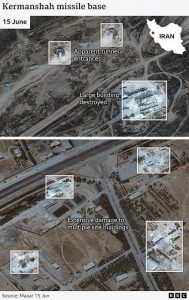
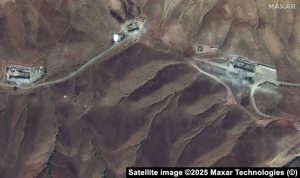
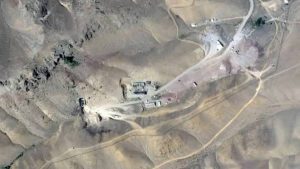
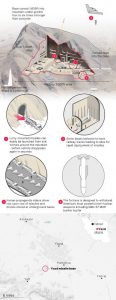
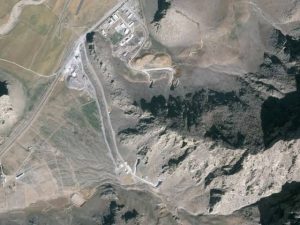
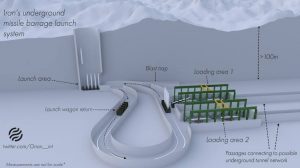
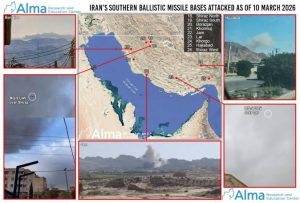
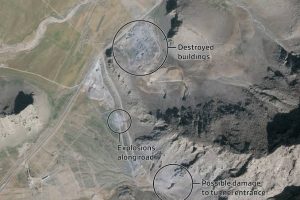
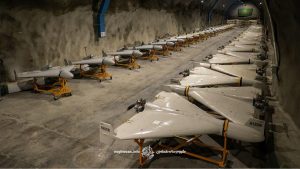
Η υπόγεια στρατιωτική υποδομή του Ιράν
Δημιουργία ασύμμετρης αποτροπής έναντι της Δύσης
Κωνσταντίνος Κύπριος, Στρατιωτικός Αναλυτής
Το καθεστώς που ανήλθε στην εξουσία στο Ιράν το 1979 υιοθέτησε μια συγκρουσιακή στάση ενάντια στη Δύση. Προκειμένου να απαντήσει στην επιδείνωση και την ενδεχόμενη διακοπή των σχέσεων με τα δυτικά κράτη, το Ιράν αντιμετώπισε σημαντικές δυσκολίες στη διατήρηση και τον εκσυγχρονισμό του στρατιωτικού εξοπλισμού που κληρονόμησε από το καθεστώς του Σάχη. Η απώλεια πρόσβασης στη δυτική στρατιωτική τεχνολογία, ανταλλακτικά και κανάλια προμηθειών συνέβαλε στην επιδείνωση των υφιστάμενων δυνατοτήτων και περιόρισε την απόκτηση νέων προηγμένων συστημάτων καθώς και λόγω του θεοκρατικού συστήματος η πρόσβαση τόσο στα στρατιωτικά συστήματα της Δυτικής όσο και της Σοβιετικής Ένωσης περιορίστηκε μέχρι το τέλος του Ψυχρού Πολέμου σχετικά με τη Ρωσία και την Κίνα. Ως αποτέλεσμα, μια προσέγγιση ήταν η αντίστροφη μηχανική και η εγχώρια παραγωγή των υπαρχόντων οπλικών συστημάτων. Αν και αυτές οι προσπάθειες απέφεραν αρκετά αποτελέσματα, γενικά δεν εξάλειψαν το τεχνολογικό χάσμα μεταξύ των ιρανικών συστημάτων και των συγκρίσιμων δυτικών πλατφορμών που χρησίμευαν στα κύρια αντίπαλα κράτη που ήταν εκείνα του Συμβουλίου Συνεργασίας του Κόλπου.
Στη συνέχεια, το Ιράν απέκτησε κάποιο στρατιωτικό εξοπλισμό από εναλλακτικούς προμηθευτές, ιδιαίτερα την Κίνα και, μετά τη διάλυση της Σοβιετικής Ένωσης, τη Ρωσία και ορισμένες δημοκρατίες της πρώην Σοβιετικής Ένωσης. Ωστόσο, παρά τις προσπάθειες και ίσως λόγω της επιτυχίας των διεθνών περιορισμών, αυτοί ήταν περιορισμένοι όσον αφορά τα συμβατικά οπλικά συστήματα και το Ιράν έπρεπε να καταλήξει σε βαλλιστικούς πυραύλους, νάρκες και άλλα ασύμμετρα οπλικά συστήματα και τακτικές που απειλούσαν να κλείσουν τα στενά του Ορμούζ και να χτυπήσουν τη διεθνή οικονομία1. Αυτό ήταν ένα μέτρο για την επίτευξη της αποφασιστικής νίκης, ένα άλλο ήταν να βρεθεί ένας τρόπος να υπερασπιστούμε τις ιρανικές στρατιωτικές δυνάμεις από την κυρίαρχη στρατιωτική υπεροχή της Δύσης. Αυτό γινόταν με τη χρήση διαφόρων τρόπων για την υπεράσπιση της γης και των στρατιωτικών δυνατοτήτων με αεροπορικές επιδρομές και κυρίως με την υπογεία. Ωστόσο, αυτές οι εξαγορές παρέμειναν συγκριτικά περιορισμένες και δεν παρείχαν στο Ιράν δυνατότητες ισοδύναμες με το τεχνολογικό επίπεδο των δυτικών συστημάτων.
Δεδομένης αυτής της τεχνολογικής ανισορροπίας, οι Ιρανοί στρατιωτικοί σχεδιαστές ανέπτυξαν μια στρατηγική που δεν εξαρτιόταν από την επίτευξη συμβατικής υπεροχής στο πεδίο της μάχης. Αντίθετα, δόθηκε μεγαλύτερη έμφαση στις ασύμμετρες δυνατότητες που έχουν σχεδιαστεί για την εκμετάλλευση των τρωτών σημείων στο στρατιωτικό και οικονομικό σύστημα ενός αντιπάλου, όπως ο ασύμμετρος πόλεμος με παράτυπες ομάδες και συμμάχους πληρεξουσίου όπως οι Χούτις στην Υεμένη, η Χεζμπολά και η Χαμάς. Εκείνοι οι σύμμαχοι που η δράση τους είχε ως αποτέλεσμα την παραβίαση του διεθνούς δικαίου με τρομοκρατικές δραστηριότητες και ακόμη και τη διάπραξη θηριωδιών όπως η τρομοκρατική επίθεση στα κιμπούτ, είναι ένα πρόσωπο του ανταγωνισμού του Ιράν με τη Δύση. Ωστόσο, μεταξύ των πιο σημαντικών από αυτές τις δυνατότητες ήταν οι βαλλιστικοί πύραυλοι και τα ναυτικά συστήματα, που τα τελευταία σχεδιάζονταν να απειλήσουν τη θαλάσσια πρόσβαση στα στενά του Hormuz2. Αυτές οι δυνατότητες παρείχαν στο Ιράν μέσα επιβολής κόστους σε έναν αντίπαλο παρά τα συμβατικά του μειονεκτήματα. Αυτά τα στρατιωτικά μέσα ήταν κρυμμένα σε υπόγειες εγκαταστάσεις που έχουν πολλές πτυχές, η μία πρόκειται να εκτοξευθεί από υπόγειες εγκαταστάσεις πυραύλων, η άλλη είναι για ταχεία διασπορά, διαδικασίες επανατοποθέτησης και ακολουθίες βολής. Ο μεγάλος αριθμός σχεδιάζεται να επιτρέψει συνεχή βόλεϊ που χαρακτηρίζονται ως προστατευμένοι πυραυλικοί σάλβοι σε έναν κώδικα ασύμμετρου πολέμου που προσβλέπει στη διατήρηση μιας επιθετικής ορμής.
Ειδικά το Σώμα των Φρουρών της Ισλαμικής Επανάστασης (IRGC) έχει δώσει σημασία στην ενσωμάτωση αποκεντρωμένων στοιχείων ώστε να είναι ασφαλή ενόψει αεροπορικής επίθεσης. Αυτή η στρατηγική έγινε πιο ενεργή μετά το 2005, όταν υιοθετήθηκε από το Κέντρο Στρατηγικής του IRGC προκειμένου να αντιμετωπίσει την κυρίαρχη αεροπορική υπεροχή των ΗΠΑ3. Ένα παράδειγμα που εξετάστηκε ήταν η αναποτελεσματικότητα του ιρακινού στρατού κατά τη διάρκεια του Πολέμου του Ιράκ, όπου ο συγκεντρωτισμός του στρατιωτικού συστήματος είχε ως αποτέλεσμα την αναποτελεσματικότητα που εμπόδισε τις μονάδες του στρατού να ολοκληρώσουν ακόμη και τους βασικούς ελιγμούς μετά την απομάκρυνση του4από τα κέντρα διοίκησης. Προορίζεται επίσης να αντιμετωπίσει τις επιπτώσεις των απεργιών αποκεφαλισμού, γνωστό και ως χτυπήματα που σήμαιναν να αφαιρέσουν τις ικανότητες διοίκησης του στρατού5. Έπρεπε να δημιουργηθούν υπόγειες αποθήκες και έχουν συγκεντρωθεί αποθέματα πυραύλων, αν και οι προσφορές είναι περιορισμένες. Οι αποθήκες Διοίκησης και Ελέγχου έχουν δημιουργηθεί προκειμένου να επιτευχθεί υψηλότερο ποσοστό μείωσης του κινδύνου καταστροφής από επιθέσεις των ΗΠΑ. Ωστόσο, η αποκέντρωση οδηγεί σε ελλιπείς πληροφορίες που μπορεί να έχουν ως αποτέλεσμα την επίτευξη ακούσιου στόχου.
Ως τόσο σημαντικό στοιχείο αυτής της στρατηγικής είναι η προστασία και η επιβίωση των στρατιωτικών δυνάμεων του Ιράν έναντι της αεροπορικής υπεροχής των πιθανών αντιπάλων. Το Ιράν αναγνώρισε ότι αντιμετώπιζε ένα σημαντικό μειονέκτημα όχι μόνο ως προς το μέγεθος και την τεχνολογική πολυπλοκότητα της αεροπορίας του, αλλά και ως προς την ικανότητά του να υπερασπίζεται κρίσιμα στρατιωτικά μέσα έναντι ευρειών αεροπορικών εκστρατειών. Κατά συνέπεια, η προστασία της στρατιωτικής υποδομής μέσω της απόκρυψης, της διασποράς, της σκλήρυνσης και της υπόγειας κατασκευής έγινε σημαντικό στοιχείο του ιρανικού στρατιωτικού σχεδιασμού. Σε αυτό το πλαίσιο, οι πιο σημαντικές πτυχές του ιρανικού αμυντικού δόγματος αναπτύχθηκαν ως οι υπόγειες βάσεις πυραύλων που αποτελούν οχυρωμένα υπόγεια συγκροτήματα για να τα προστατεύουν από εχθρικά χτυπήματα και να εξασφαλίζουν αποτελεσματική αντεπίθεση με τη χρήση βαλλιστικών πυραύλων εναντίον του εχθρού, αποθηκεύοντάς τα σε σιλό έτοιμα για εκτόξευση με διαδικασία διαδοχής ταχείας εκτόξευσης. Η ανάπτυξη αυτών των εγκαταστάσεων και η προσαρμογή αυτού του δόγματος ξεκίνησε κατά τη διάρκεια του πολέμου Ιράν-Ιράκ, όταν η ιρακινή αεροπορία είχε αεροπορική υπεροχή στο Ιράν και υπεροχή πυραύλων σε αντίθεση με την περιορισμένη αεροπορική άμυνα της Τεχεράνης. Ως εκ τούτου, το Ιράν απάντησε με την πρώτη βάση πυραύλων που ιδρύθηκε στο Kermanshah ενσωματώνοντας υπόγειες εγκαταστάσεις που περιλαμβάνουν σήραγγες για προστασία από προληπτικά χτυπήματα. Δίνοντας έμφαση στη διοίκηση και τον έλεγχο, το IRGC προχώρησε στη δημιουργία ενός υπόγειου δικτύου με σήραγγες αποθήκευσης, συντήρησης και ταχείας ανάπτυξης ώστε να ενσωματωθούν στοιχεία διοίκησης, ελέγχου και επιχειρησιακής σύνδεσης με τα κέντρα αποφάσεων.
Χαρακτηριστικό παράδειγμα αυτών των βάσεων είναι οι εγκαταστάσεις πυραύλων στην επαρχία Hormozgan, όπου η υπόγεια υποδομή και οι εγκαταστάσεις εκτόξευσης αποτελούν σημαντικό στοιχείο του στρατιωτικού συγκροτήματος. Παρόμοια χαρακτηριστικά μπορούν να παρατηρηθούν και σε άλλες εγκαταστάσεις, συμπεριλαμβανομένων εκείνων που σχετίζονται με την περιοχή του Khorramabad. Αυτές οι εγκαταστάσεις ενσωματώνουν δίκτυα υπόγειας σήραγγας που μπορούν να υποστηρίξουν την αποθήκευση, τη συντήρηση, την ανάπτυξη και άλλες λειτουργίες υλικοτεχνικής υποστήριξης που υποστηρίζονται από ένα εσωτερικό σύστημα μεταφοράς που μπορεί να εξασφαλίσει ταχεία τροφοδοσία6. Η υποκείμενη λογική συνδέεται στενά με την αντίληψη του Ιράν για πιθανούς αντιπάλους, ιδιαίτερα τις Ηνωμένες Πολιτείες και τα περιφερειακά κράτη που διαθέτουν προηγμένες αεροπορικές δυνατότητες, συμπεριλαμβανομένου του Ισραήλ και της Σαουδικής Αραβίας. Αντί να προσπαθεί να ανταγωνιστεί απευθείας αυτά τα κράτη στην αεροπορική υπεροχή, το Ιράν επιδίωξε να αντισταθμίσει τα συμβατικά του μειονεκτήματα μέσω των δυνατοτήτων πυραύλων μεγάλου βεληνεκούς και της προστασίας αυτών των συστημάτων από αεροπορικές επιθέσεις7και προληπτικά χτυπήματα.
Η επιβίωση της πυραυλικής δύναμης είναι επομένως ένα κεντρικό ζήτημα. Οι υπόγειες εγκαταστάσεις μπορούν να παρέχουν προστατευμένες θέσεις για την αποθήκευση και τις επιχειρήσεις πυραύλων, ενώ παράλληλα διευκολύνουν τη διασπορά και τη διατήρηση των δυνάμεων μετά από μια αρχική επίθεση. Η ικανότητα διατήρησης πυραυλικής δύναμης μετά το πρώτο χτύπημα ενός αντιπάλου είναι ιδιαίτερα σημαντική επειδή υποστηρίζει τη δυνατότητα εκτοξεύσεων αντιποίνων και τη συνέχιση των πυραυλικών επιχειρήσεων κατά τη διάρκεια μιας παρατεταμένης σύγκρουσης και υπό συνεχή αεροπορική επίθεση. Κατά συνέπεια, οι υπόγειες εγκαταστάσεις του Ιράν εξυπηρετούν διάφορες λειτουργίες. Αυτά περιλαμβάνουν την προστασία και αποθήκευση πυραύλων, δραστηριότητες συντήρησης, υλικοτεχνική υποστήριξη, διοίκηση και έλεγχο και την προετοιμασία πυραυλικών δυνάμεων για επόμενες επιχειρήσεις8. Η εκτεταμένη φύση της υπόγειας υποδομής του Ιράν αντανακλά επίσης την έμφαση στη διασπορά και τον πλεονασμό. Αντί να συγκεντρώνει κρίσιμες δυνατότητες σε έναν μικρό αριθμό ευάλωτων εγκαταστάσεων, η ανάπτυξη γεωγραφικά κατανεμημένων εγκαταστάσεων μπορεί να αυξήσει τη δυσκολία εξάλειψης της πυραυλικής δύναμης μέσω μιας ενιαίας αεροπορικής εκστρατείας.
Σε αυτό το πλαίσιο, το Σώμα των Φρουρών της Ισλαμικής Επανάστασης (IRGC), έχει δώσει σημασία στην ενσωμάτωση αποκεντρωμένων στοιχείων για την ασφάλειά τους σε περίπτωση αεροπορικής επίθεσης. Όπως και με την κύρια ιρανική ιδέα, έτσι και με τους Φρουρούς της Επανάστασης, έχουν δημιουργηθεί υπόγειες αποθήκες και έχουν συγκεντρωθεί αποθέματα πυραύλων, αν και αυτά είναι περιορισμένης προσφοράς. Οι αποθήκες Διοίκησης και Ελέγχου έχουν δημιουργηθεί προκειμένου να επιτευχθεί υψηλότερο ποσοστό μείωσης του κινδύνου καταστροφής από επιθέσεις των Η.Π.Α. υπό την προοπτική της αποκέντρωσης, αν και αυτό οδηγεί σε ελλιπή ανταλλαγή πληροφοριών που μπορεί να οδηγήσει σε χτύπημα ακούσιου στόχου. Η αποκεντρωμένη έννοια του δόγματος του Ιράν βρίσκεται στον πυρήνα αυτής της ιδέας για την αποφυγή εντοπισμού και συνεπώς καταστροφής9. Σε αυτή την ιδέα, η αποθήκευση σχετικών πόρων είναι μέρος της στρατηγικής και η κατασκευή του υπόγειου συστήματος εξετάζει αποθήκες που αποθηκεύουν βαλλιστικούς πυραύλους και εξοπλισμό. Οι εκτιμήσεις για το απόθεμα πυραύλων του Ιράν ποικίλλουν ευρέως, από περίπου 2.500 πριν από τον πόλεμο, σύμφωνα με τον στρατό του Ισραήλ, έως περίπου 6.000 σύμφωνα με άλλους αναλυτές10. Οι υπόγειες βάσεις πυραύλων κατασκευάζονται από το 1984. Βάσεις πυραύλων έχουν δημιουργηθεί σε όλα τα σημεία της χώρας που ανέφεραν σε βάθος έως και 500 μέτρα, αν και το βάθος μπορεί πράγματι να είναι μάλλον αμφίβολο.11
Σε αυτό το πλαίσιο, το Σώμα των Φρουρών της Ισλαμικής Επανάστασης (IRGC) έχει δώσει έμφαση στις αποκεντρωμένες δομές που αποσκοπούν στην αύξηση της ικανότητας επιβίωσης των στρατιωτικών δυνατοτήτων υπό συνθήκες συνεχούς αεροπορικής επίθεσης. Οι υπόγειες αποθήκες και οι εγκαταστάσεις αποθήκευσης πυραύλων αποτελούν μέρος αυτής της ευρύτερης προσέγγισης. Η υποδομή διοίκησης και ελέγχου είναι επίσης σημαντική επειδή η επιβίωση των δυνατοτήτων λήψης αποφάσεων και επικοινωνιών είναι απαραίτητη για τη συνεχή λειτουργία των διασκορπισμένων πυραυλικών δυνάμεων12. Ωστόσο, η αποκέντρωση δημιουργεί επίσης λειτουργικές προκλήσεις. Η κατανομή των δυνάμεων και των στοιχείων διοίκησης μπορεί να περιπλέξει τις επικοινωνίες και να μειώσει τη διαθεσιμότητα πλήρους πληροφοριών σε μεμονωμένες μονάδες. Κάτω από συνθήκες υποβαθμισμένης επικοινωνίας, αυτό μπορεί να αυξήσει την πιθανότητα καθυστερημένων αποφάσεων, προβλημάτων συντονισμού ή επιθέσεων εναντίον ακούσιων στόχων.
Ως εκ τούτου, το ζήτημα της διοίκησης και η ίδια η ύπαρξη αυτών των στρατιωτικών μέσων πρέπει να ληφθούν σοβαρά υπόψη. Υπό αυτές τις συνθήκες, οι προεγκεκριμένοι κατάλογοι στόχων και η εξουσιοδοτημένη αρχή εκτόξευσης θα μπορούσαν να προστατεύονται από τον αποκεφαλισμό. Παρόμοια μέτρα έχουν ληφθεί και από τις εγκαταστάσεις για τις πυρηνικές εγκαταστάσεις όπως συνέβη από τους αντιπάλους κατά τη διάρκεια του Ψυχρού Πολέμου. Τέτοια περίπτωση είναι η πόλη Χαλούς που απέχει περίπου 20 χιλιόμετρα. Ένα παρόμοιο παράδειγμα είναι επίσης οι εγκαταστάσεις του εργοστασίου Fordow περίπου 160 χιλιόμετρα από την Τεχεράνη, αρχικά μια βάση πυραύλων του Σώματος των Φρουρών της Ισλαμικής Επανάστασης που μετατράπηκε σε μια υπόγεια εγκατάσταση εμπλουτισμού ουρανίου13. Η ανάπτυξη της υπόγειας υποδομής πυραύλων του Ιράν έχει τις ρίζες της στην εμπειρία του πολέμου Ιράν-Ιράκ. Κατά τη διάρκεια της σύγκρουσης, το Ιράκ διέθετε σημαντικά πλεονεκτήματα στην αεροπορική ισχύ και χρησιμοποίησε βαλλιστικούς πυραύλους εναντίον ιρανικών πληθυσμιακών κέντρων και στρατιωτικών στόχων, ενώ οι συμβατικές δυνατότητες αεράμυνας του Ιράν ήταν συγκριτικά περιορισμένες. Αυτές οι συνθήκες συνέβαλαν στις προσπάθειες του Ιράν να αναπτύξει περισσότερες δυνατότητες επιβίωσης πυραύλων και προστατευμένη στρατιωτική υποδομή. Η δημιουργία υπόγειων πυραυλικών εγκαταστάσεων στο δυτικό Ιράν, συμπεριλαμβανομένης της περιοχής Kermanshah, αντιπροσώπευε ένα πρώιμο στάδιο στην ανάπτυξη αυτής της προσέγγισης. Η χρήση σηράγγων και υπόγειων κατασκευών παρείχε ένα μέσο προστασίας των πυραύλων από την παρατήρηση και πιθανές προληπτικές επιθέσεις, ενώ τους επέτρεπε να παραμείνουν διαθέσιμοι για επιχειρήσεις.
Με την πάροδο του χρόνου, αυτή η ιδέα αναπτύχθηκε σε ένα ευρύτερο υπόγειο δίκτυο σχεδιασμένο να ενσωματώνει λειτουργίες αποθήκευσης, συντήρησης, ανάπτυξης και εντολής και ελέγχου. Ο στόχος δεν ήταν απλώς η απόκρυψη συστημάτων πυραύλων υπόγεια, αλλά η δημιουργία μιας επιβιώσιμης υποδομής ικανής να υποστηρίξει τη συνεχή λειτουργία των πυραυλικών δυνάμεων κατά τη διάρκεια μιας σύγκρουσης και υπό συνεχή επίθεση. Το προκύπτον σύστημα αντιπροσωπεύει ένα σημαντικό στοιχείο της ευρύτερης ασύμμετρης στρατιωτικής στρατηγικής του Ιράν, στην οποία χρησιμοποιούνται προστατευμένες δυνατότητες κρούσης μεγάλης εμβέλειας σε εγκαταστάσεις σκληρυντών για να αντιμετωπιστούν τουλάχιστον εν μέρει οι αδυναμίες στη συμβατική αεροπορική ισχύ και στις δυνατότητες αεράμυνας, τόσο στην άμυνα όσο και στις δυνατότητες κρούσης14.
Επέκταση και Χαρακτηριστικά Υπόγειων Εγκαταστάσεων Πυραύλων
Οι υπόγειες εγκαταστάσεις πυραύλων του Ιράν χαρακτηρίζονται επίσης από δομές σιλό και επεκτείνουν το υπόγειο σύστημα διάσπαρτων σήραγγας. Ο δηλωμένος σκοπός αυτών των εγκαταστάσεων είναι να αυξήσουν τη δυνατότητα επιβίωσης των πυραυλικών δυνάμεων και να διατηρήσουν την ικανότητά τους να ανταποκρίνονται όπως ακολουθεί η προσπάθεια ενός αντιπάλου να τις καταστρέψει μέσω χτυπημάτων ακριβείας. Δημόσια εικόνες και αναφορές έχουν εντοπίσει εγκαταστάσεις που φέρεται να φιλοξενούν κατευθυνόμενους πυραύλους ακριβείας της οικογένειας Fateh και βαλλιστικούς πυραύλους Sejjil μεγαλύτερου βεληνεκούς15. Ένα άλλο χαρακτηριστικό αυτών των εγκαταστάσεων είναι η ενσωμάτωση ενός συστήματος bunker που υποστηρίζει ένα δίκτυο κινητών Transporter-Erector-Launchers (TEL), σχετικού εξοπλισμού και υλικοτεχνικής υποδομής σε ένα καλυμμένο προστατευμένο υπόγειο συγκρότημα. Ορισμένες αναφορές έχουν περιγράψει εγκαταστάσεις που εκτείνονται σε σημαντικά βάθη, ιδιαίτερα όπου το ορεινό έδαφος παρέχει πρόσθετη φυσική προστασία. Το Ιράν έχει επίσης κατασκευάσει εκτεταμένα δίκτυα σπηλαίων σηράγγων για αποθήκευση και υποστήριξη πυραύλων. Σε ορισμένες περιπτώσεις, αυτά τα δίκτυα έχουν αναφερθεί ότι ενσωματώνουν εσωτερικά συστήματα μεταφοράς που προορίζονται να διευκολύνουν την κίνηση πυραύλων και εξοπλισμού εντός του συγκροτήματος.
Ο συνδυασμός σταθερής και κινητής υποδομής παρέχει στο Ιράν πολλές διαφορετικές μεθόδους διατήρησης της επιβίωσης πυραύλων. Οι κατακόρυφες δομές αποθήκευσης και εκτόξευσης μπορούν να παρέχουν προστατευμένες θέσεις για πυραύλους, ενώ τα κινητά TEL επιτρέπουν στις μονάδες πυραύλων να λειτουργούν από διάσπαρτες θέσεις. Η χρήση ορεινού εδάφους παρέχει ένα επιπλέον στρώμα φυσικής προστασίας, επειδή οι βραχώδεις σχηματισμοί μπορούν να χρησιμεύσουν ως φυσική θωράκιση έναντι συμβατικών αεροπορικών επιδρομών. Επομένως, οι υπόγειες εγκαταστάσεις του Ιράν δεν περιορίζονται απαραίτητα στον ρόλο της αποθήκευσης πυραύλων. Μπορούν να ενσωματώσουν πολλαπλές λειτουργίες, συμπεριλαμβανομένης της αποθήκευσης, συντήρησης, μεταφοράς, διοίκησης και ελέγχου και προετοιμασίας για πυραυλικές επιχειρήσεις16. Αυτός ο πολυλειτουργικός χαρακτήρας είναι σημαντικός επειδή επιτρέπει στην υπόγεια υποδομή να υποστηρίζει την ευρύτερη επιχειρησιακή συνέχεια των πυραυλικών δυνάμεων του Ιράν ενώ βρίσκεται υπό επίθεση.
Οι δημόσιες γνωστοποιήσεις που επαλήθευαν αυτές τις εγκαταστάσεις, αυξήθηκαν σημαντικά κατά τη διάρκεια της δεκαετίας του 2020. Τα βίντεο που κυκλοφόρησαν από το Σώμα των Φρουρών της Ισλαμικής Επανάστασης (IRGC) δείχνουν σκληρυμένες υπόγειες εγκαταστάσεις που περιέχουν βαλλιστικά, πυραύλους κρουζ και άλλα πυραυλικά συστήματα. Αυτές οι αποκαλύψεις παρουσιάστηκαν από τις ιρανικές αρχές ως απόδειξη της επιβίωσης και της κλίμακας της υπόγειας στρατιωτικής υποδομής της χώρας. Τον Μάρτιο του 2025, εν μέσω της κλιμάκωσης των εχθροπραξιών που αφορούσαν το Ιράν και το Ισραήλ, οι ιρανικές αρχές αποκάλυψαν δημόσια αυτό που χαρακτηρίστηκε ως «πυραυλική πόλη». Οι εικόνες έδειξαν εκτεταμένες υπόγειες σήραγγες που περιείχαν μεγάλο αριθμό βαλλιστικών πυραύλων, συμπεριλαμβανομένων συστημάτων από τις οικογένειες Ghadr και Emad. Οι Ιρανοί διοικητές παρουσίασαν την εγκατάσταση ως σχεδιασμένη για να αντέχει σε προληπτικές επιθέσεις και τόνισαν τη σκληρυμένη υπόγεια κατασκευή της. Η εγκατάσταση απεικονίστηκε επίσης ότι ενσωματώνει προστατευμένες υποδομές εκτόξευσης και μέτρα που προορίζονται να περιπλέξουν τις προσπάθειες ενός αντιπάλου να εντοπίσει και να καταστρέψει την πυραυλική δύναμη. Μια επακόλουθη αποκάλυψη έγινε στις 23 Μαρτίου 2026, όταν ο κρατικός ραδιοτηλεοπτικός σταθμός IRIB News του Ιράν μετέδωσε πλάνα που απεικονίζει πυραύλους μαζί με ναυτικά μη επανδρωμένα αεροσκάφη, θαλάσσιες νάρκες και μη επανδρωμένα οχήματα επιφανείας μέσα σε μεγάλες υπόγειες σήραγγες17. Οι εικόνες δείχνουν ότι η υπόγεια στρατιωτική υποδομή του Ιράν εκτείνεται πέρα από τους βαλλιστικούς πυραύλους και μπορεί επίσης να υποστηρίξει ναυτικές και ασύμμετρες ικανότητες.
Διοίκηση, έλεγχος και αποκέντρωση
Η ικανότητα επιβίωσης της πυραυλικής δύναμης εξαρτάται όχι μόνο από τη φυσική προστασία αλλά και από την ικανότητα των δικτύων διοίκησης και ελέγχου να συνεχίσουν να λειτουργούν υπό επίθεση. Τα δίκτυα επικοινωνίας είναι δυνητικά ευάλωτα σε ηλεκτρονικό πόλεμο, παρεμβολές και χτυπήματα ακριβείας. Η αεροπορική υπεροχή και οι δυνατότητες κρούσης μεγάλης εμβέλειας είναι διαθέσιμες στις Ηνωμένες Πολιτείες και το Ισραήλ, επομένως δημιουργούν προκλήσεις για την ικανότητα του Ιράν να διατηρεί κεντρική εποπτεία των διασκορπισμένων δυνάμεων κατά τη διάρκεια μιας σύγκρουσης. Αυτή η ευπάθεια παρέχει ένα σημαντικό σκεπτικό για την αποκεντρωμένη οργάνωση των πυραυλικών δυνάμεων του Ιράν. Τα διάσπαρτα στοιχεία διοίκησης και οι προστατευμένες εγκαταστάσεις μπορούν να μειώσουν τις συνέπειες της καταστροφής ενός μόνο αρχηγείου ή κόμβου επικοινωνιών. Ταυτόχρονα, η αποκέντρωση δημιουργεί τους δικούς της περιορισμούς. Η μειωμένη ανταλλαγή πληροφοριών μεταξύ γεωγραφικά διαχωρισμένων μονάδων μπορεί να οδηγήσει σε ελλιπή επίγνωση της κατάστασης και δυσκολίες συντονισμού. Κάτω από συνθήκες διακοπής των επικοινωνιών, αυτό θα μπορούσε να περιπλέξει τον εντοπισμό στόχων και τον συγχρονισμό των στρατιωτικών επιχειρήσεων.
Επομένως, η προσέγγιση του Ιράν περιλαμβάνει μια ισορροπία μεταξύ της κεντρικής στρατηγικής κατεύθυνσης και της αποκεντρωμένης εκτέλεσης. Οι προστατευμένες εγκαταστάσεις διοίκησης μπορούν να διατηρήσουν τη λήψη αποφάσεων υψηλότερου επιπέδου, ενώ οι γεωγραφικά διασκορπισμένες μονάδες μπορούν να διατηρήσουν έναν βαθμό επιχειρησιακής ανεξαρτησίας εάν διακοπεί η επικοινωνία με τις κεντρικές αρχές. Η έννοια της επιβίωσης διοίκησης και ελέγχου ήταν επίσης σχετική με την πυρηνική υποδομή του Ιράν18. Η εγκατάσταση Fordow, για παράδειγμα, είναι μια βαθιά θαμμένη εγκατάσταση κοντά στο Qom που αρχικά κατασκευάστηκε ως στρατιωτική εγκατάσταση και στη συνέχεια τροποποιήθηκε για εμπλουτισμό ουρανίου. Τα χαρακτηριστικά του δείχνουν την ευρύτερη ιρανική έμφαση στην υπόγεια και σκληρυμένη υποδομή για στρατηγικά σημαντικές δυνατότητες. Ωστόσο, οι ισχυρισμοί σχετικά με την ακριβή προέλευση και τον αρχικό προορισμό συγκεκριμένων εγκαταστάσεων θα πρέπει να διακρίνονται από τα αποδεδειγμένα γεγονότα και να υποστηρίζονται από κατάλληλες πηγές.
Υπόγεια αποθήκευση και ανάπτυξη πυραύλων
Το υπόγειο δίκτυο πυραύλων του Ιράν φέρεται να περιλαμβάνει εγκαταστάσεις για την αποθήκευση βαλλιστικών πυραύλων μικρού και μεσαίου βεληνεκούς καθώς και σχετικό εξοπλισμό. Ο συνδυασμός κατακόρυφων δομών εκτόξευσης, δικτύων σήραγγας και κινητών εκτοξευτών-φορέων (TEL) παρέχει πολλές πιθανές μεθόδους για τη διασπορά πυραύλων και τη διατήρηση της επιβίωσής τους. Τα συγκροτήματα σηράγγων μπορούν να παρέχουν προστατευμένες περιοχές για αποθήκευση και συντήρηση, ενώ επιτρέπουν στο TEL να μετακινείται μεταξύ προστατευμένων και δευτερευουσών θέσεων. Υπό αυτή την έννοια, το υπόγειο δίκτυο λειτουργεί ως επέκταση της πυραυλικής δύναμης και όχι απλώς ως στατική εγκατάσταση αποθήκευσης19. Ο στόχος είναι να διατηρηθεί η ικανότητα της δύναμης να επιχειρεί ακόμη και όταν ένας αντίπαλος έχει πραγματοποιήσει εκτεταμένη αεροπορική εκστρατεία εναντίον γνωστών στρατιωτικών εγκαταστάσεων. Βασικό στοιχείο των υπόγειων εγκαταστάσεων του Ιράν ήταν τα εσωτερικά συστήματα μεταφοράς, που περιλαμβάνουν μηχανισμούς που μοιάζουν με σιδηροτροχιές, για τη μετακίνηση πυραύλων και εξοπλισμού μέσω του συστήματος σήραγγας που ανεφοδιάζει αυτές τις βάσεις. Τέτοια συστήματα θα μπορούσαν να διευκολύνουν τη μετακίνηση βαρέως εξοπλισμού σε περιορισμένα υπόγεια περιβάλλοντα και να μειώσουν την έκθεση του προσωπικού και του εξοπλισμού σε εξωτερική παρατήρηση.
Ωστόσο, οι λεπτομερείς ισχυρισμοί σχετικά με τους ακριβείς μηχανισμούς, τις διαστάσεις, τις διαδικασίες λειτουργίας και τις δυνατότητες μεμονωμένων εγκαταστάσεων απαιτούν ανεξάρτητη επαλήθευση και δεν θα πρέπει να γενικεύονται σε ολόκληρο το ιρανικό υπόγειο δίκτυο. Η αναφερόμενη ύπαρξη κατακόρυφων σχηματισμών εκτόξευσης είναι ένα άλλο σημαντικό χαρακτηριστικό. Οι σταθερές δομές εκτόξευσης μπορούν να παρέχουν μια προστατευμένη θέση από την οποία μπορούν να προετοιμαστούν οι πύραυλοι για εκτόξευση, ενώ τα κινητά TEL παρέχουν μεγαλύτερη ευελιξία επιτρέποντας στα στοιχεία εκτόξευσης να μετακινηθούν εντός ή εκτός της άμεσης εγκατάστασης. Μαζί, αυτά τα στοιχεία συμβάλλουν σε ένα σύστημα σχεδιασμένο γύρω από την επιβίωση, τη διασπορά και τον πλεονασμό. Τα υπόγεια συγκροτήματα μπορούν συνεπώς να θεωρηθούν ως μέρος μιας ευρύτερης ιρανικής στρατηγικής για προστατευμένη ανάπτυξη πυραύλων. Αντί να βασίζεται αποκλειστικά σε συμβατικές στρατιωτικές βάσεις που μπορούν να εντοπιστούν και να στοχευτούν από αέρος, το Ιράν έχει επενδύσει σε υπόγειες υποδομές που προορίζονται να περιπλέξουν τον εντοπισμό και την καταστροφή. Αυτή η προσέγγιση συμπληρώνει την εξάρτηση της χώρας από βαλλιστικούς πυραύλους και πυραύλους κρουζ καθώς και ασύμμετρες ικανότητες που αποσκοπούν στην αντιστάθμιση των μειονεκτημάτων της στη συμβατική αεροπορική ισχύ.
Αυτές οι εγκαταστάσεις έχουν δημιουργηθεί για την αποθήκευση και την ανάπτυξη βαλλιστικών πυραύλων μεσαίου βεληνεκούς, ειδικά σε υποδομές σήραγγας. Τα κάθετα σιλό είναι μια όψη και έχουν δημιουργηθεί για να συνδέονται με το σιδηροδρομικό σύστημα για υπόγειο ανεφοδιασμό σε πολλές περιπτώσεις όπως έχει αναφερθεί. Ενώ οι κινητοί εκτοξευτές-φορείς (TEL) χρησιμοποιούν τα υπόγεια δίκτυα που τους επιτρέπουν την επαναφόρτωση και την ταχεία τοποθέτηση πριν από την εκτόξευση, αυτά αναπτύσσονται στο ύπαιθρο, ωστόσο το σύστημα των σηράγγων τους επιτρέπει επιβίωση και ευελιξία και δυνατότητα επανατοποθέτησης. Οι εγκαταστάσεις διαθέτουν διατάξεις σηράγγων πολλαπλών επιπέδων που εξετάζουν την οργάνωση των ραφιών αποθήκευσης και των σημείων εκτόξευσης, προκειμένου να υποστηρίξουν επιχειρήσεις σάλβο πυραύλων και συντονισμένα μπαράζ από διάσπαρτα σιλό που είναι σε κάθε περίπτωση μεγάλα σε αριθμό.
Αυτές οι τοποθεσίες επέτρεψαν επίσης τη συνεχή εκτόξευση πυραύλων με ανεξάρτητα/κινητά TEL που επανατοποθετούνται συνεχώς μεταξύ της υπόγειας κρυψώνας και των θέσεων εκκίνησης, δευτερεύουσες και άλλες εναλλακτικές θέσεις. Τα υπόγεια αυτοματοποιημένα σιδηροδρομικά συστήματα εξετάζουν επίσης τη δυνατότητα ταχείας και προστατευμένης ανάπτυξης πυραύλων. Καθώς τέτοιες συνέχειες εκτόξευσης λαμβάνουν χώρα ως αγρανάπαυση, πρώτα ένας φορέας πυραύλων κινείται κατά μήκος των εσωτερικών σιδηροτροχιών και στη συνέχεια το σύστημα ανεβαίνει στην επιφάνεια μέσω υδραυλικού ή ανυψωτικού μηχανισμού, στη συνέχεια ο πύραυλος εκτοξεύεται και ο εκτοξευτής υποχωρεί αμέσως υπόγεια, ενώ η έξοδος σφραγίζεται από θωρακισμένες πόρτες εκτόξευσης ή αεραγωγούς. Επιβεβαιώθηκε ότι η σιδηροδρομική υποδομή τόσο για τον ανεφοδιασμό της βάσης όσο και για τους πυραύλους εντός αυτής της βάσης έχει παραμείνει επιχειρησιακή, επιτρέποντας συνεχείς (αν και μειωμένους) μπαράζ βαλλιστικών πυραύλων από κεντρικές και νότιες τοποθεσίες μετά την υποβάθμιση των δυνατοτήτων εκτόξευσης των δυτικών δυνάμεων. Οι δορυφορικές εικόνες έδειξαν ζημιές στις εισόδους, αλλά επιβίωση βαθύτερων σιδηροδρομικών δικτύων σε βουνά με γρανίτη (π.χ. στην επαρχία Yazd), όπου η υπερκείμενη γεωλογική μάζα υπερβαίνει τα βάθη διείσδυσης των συμβατικών καταστροφέων όπως το GBU-57 MOP. Το τελευταίο είναι ίσως περίπτωση διείσδυσης στις περισσότερες εγκαταστάσεις καθώς αυτές βρίσκονται σε βάθη έως και 50 μέτρα, ενώ η βόμβα μπορεί να κατέβει μέχρι τα 60 μέτρα, ωστόσο μπορεί να φτάσει μόνο μέχρι τα 18 μέτρα σκυροδέματος. Σε κάθε περίπτωση υπάρχουν μόνο λίγα και η πολεμική παραγωγή πρέπει να πάρει, που είναι άγνωστο τι είδους όπλα μπορεί να παραδώσει και σε κάθε περίπτωση μπορεί να μεταφερθεί μόνο σε ζευγάρια από τα B-2 Spirits που είναι συνολικά 21 σε υπηρεσία. Η άλλη εναλλακτική λύση που το GBU-43.B MOAB είναι τα ¾ του GBU-57 παράγεται επίσης σε περιορισμένους αριθμούς από 15 έως 20 και άγνωστο πόσα μπορούν να παραχθούν και μεταφέρεται από ένα αεροσκάφος αργής μεταφοράς φορτίου το C-130 που πρέπει να παραδώσει το όπλο πάνω από την εγκατάσταση, γεγονός που το καθιστά επίσης ευάλωτο σε αντιαεροπορικά πυροβόλα.
Δεδομένου ότι οι επιχειρήσεις πρέπει να πραγματοποιούνται υπό την αεροπορική υπεροχή των USAF ή των Κρατών Συνεργασίας του Κόλπου, πρέπει να πραγματοποιηθεί υπόγεια υλικοτεχνική αποτελεσματικότητα, με μεγάλες, ανοιχτές σήραγγες σχεδιασμένες για ελιγμούς. Μια βασική εγχώρια προσαρμογή είναι η ανάπτυξη σιδηροδρομικών συστημάτων μέσα σε αυτές τις σήραγγες για τη μεταφορά βαρέων φορτίων και την επίτευξη γρήγορων χρόνων, όπως παρουσιάζεται και στις υπόγειες εγκαταστάσεις του IRGC οι αυτοματοποιημένες σιδηροτροχιές που διασχίζουν τεράστια δίκτυα τοποθετούν τα στρατιωτικά μέσα γρήγορα. Αυτά τα συστήματα επιτρέπουν την αποτελεσματική εσωτερική υλικοτεχνική υποστήριξη σε περιορισμένους χώρους, αντισταθμίζοντας επίσης σε πολλές περιπτώσεις τις προκλήσεις της επιφανειακής πρόσβασης σε απομακρυσμένες, οχυρωμένες τοποθεσίες. Οι υπόγειες βάσεις πυραύλων του Ιράν διευκολύνουν την αποθήκευση και την ανάπτυξη βαλλιστικών πυραύλων μέσου βεληνεκούς (MRBM), συμπεριλαμβανομένων παραλλαγών υγρού καυσίμου όπως το Emad και τύπων στερεού καυσίμου που ενσωματώνονται μέσω εξειδικευμένης υποδομής σήραγγας. Αυτά τα συγκροτήματα φιλοξενούν πυραύλους σε σκληρυμένες αποθήκες και κάθετα σιλό σχεδιασμένα για απευθείας εκτοξεύσεις, με σιδηροδρομικά συστήματα που επιτρέπουν τη διαδοχική τοποθέτηση και βολή από μεμονωμένες θέσεις. Οι φορητοί μεταφορείς-εγκαταστάτες-εκτοξευτές (TEL) όπως αναφέρθηκε περιλαμβάνονται επίσης στην εννοιολογική προσέγγιση και ελίσσονται σε εκτεταμένα υπόγεια δίκτυα, επιτρέποντας προστατευμένη διέλευση, επαναφόρτωση και ταχεία τοποθέτηση πριν από την εκτόξευση, ενισχύοντας έτσι τη δυνατότητα επιβίωσης και την ευελιξία στην ανάπτυξη. Πύραυλοι κρουζ, όπως ο Paveh, φιλοξενούνται επίσης σε επιλεγμένες εγκαταστάσεις, επεκτείνοντας την ενσωμάτωση σε ρόλους κατά των πλοίων και των χερσαίων επιθέσεων.
Το κύριο χαρακτηριστικό των ιρανικών υπόγειων βάσεων πυραύλων είναι ότι έχουν κατασκευαστεί μέσω οριζόντιας διάνοιξης σήραγγας στις πλαγιές των βουνών και εκμεταλλεύοντας τη φυσική υπερκείμενη μάζα των πετρωμάτων σε γεωλογικά σταθερές περιοχές. Ως εκ τούτου, έχει επιτευχθεί παθητική θωράκιση έναντι χτυπημάτων ακριβείας. Οι κατασκευαστικές τεχνικές δίνουν έμφαση στην εκσκαφή εκτεταμένων δικτύων σηράγγων και σπηλαίων, που συχνά ενισχύονται με χοντρές επενδύσεις από σκυρόδεμα στις εισόδους και βασικά δομικά σημεία για να αντέχουν τα φαινόμενα εκρήξεων. Καθώς αυτά έχουν σκαφτεί στις περισσότερες περιπτώσεις σε βάθη έως και 60 μέτρα σε συνδυασμό με το οπλισμένο σκυρόδεμα, θα έχουν ως αποτέλεσμα να αντέχουν τα περισσότερα όπλα USAF και Ισραήλ δίπλα στα όπλα Massive Ordenance Weapons. Ως εκ τούτου και όπως έχει ήδη αναφερθεί, τα μαχητικά USAF και IDF θα πρέπει να χρησιμοποιήσουν PGMS ικανό να κατευθυνθεί για να στοχεύσει σε σημεία pint συγκεκριμένων χαρακτηριστικών, όπως τα σιλό πυραύλων. Ως τέτοια η κατεύθυνση από τις κατάλληλες δυνάμεις όπως οι Ειδικές Δυνάμεις, οι Δορυφόροι ή τα Drones μπορούν να βρουν και να κατευθύνουν αυτά τα χτυπήματα. Σε κάθε περίπτωση, αυτές οι τοποθεσίες ενσωματώνουν ημι-εσοχή ή πλήρως υπόγειους θαλάμους, όπως εντοπίζονται σε εγκαταστάσεις όπως το Haji Abad, όπου μεγάλες κυκλικές κατασκευές διαμέτρου περίπου 20 μέτρων διαθέτουν εξωτερικούς τοίχους πάχους τουλάχιστον 5 μέτρων, συνδεδεμένους μέσω υπόγειων σηράγγων πρόσβασης. Άλλα στοιχεία που έχουν παρατηρηθεί στο Haji Abad, περιλαμβάνουν την ενσωμάτωση κυλινδρικών στοιχείων που ενδέχεται να χρησιμεύουν ως χώροι αποθήκευσης πυραύλων ή προετοιμασίας εκτόξευσης, και περιλαμβάνουν εσωτερικές διατάξεις που δίνουν προτεραιότητα στην υλικοτεχνική αποτελεσματικότητα.
Μια βασική εγχώρια προσαρμογή είναι η ανάπτυξη σιδηροδρομικών συστημάτων εντός αυτών των σηράγγων για τη μεταφορά βαρέων φορτίων, που απεικονίζουν αυτοματοποιημένες σιδηροτροχιές που διασχίζουν τεράστια δίκτυα για να τοποθετήσουν στρατιωτικά μέσα γρήγορα. Αυτά τα συστήματα επιτρέπουν αποτελεσματική εσωτερική επιμελητεία σε περιορισμένους χώρους, αντισταθμίζοντας τις προκλήσεις της επιφανειακής πρόσβασης σε απομακρυσμένες, οχυρωμένες τοποθεσίες. Καθώς η εισαγωγή βαρέων μηχανημάτων λείπει, η επιτακτική εξάρτηση από τις εγχώριες μεθόδους διάνοιξης σήραγγας περιλαμβάνει χειροκίνητη και εκρηκτική εκσκαφή που συμπληρώνεται από τεχνολογίες γεώτρησης αντίστροφης μηχανικής. Αυτή η προσέγγιση επέτρεψε τη βιώσιμη κατασκευή παρά τα εμπόδια στις προμήθειες. Οι πύραυλοι αποθηκεύονται κατακόρυφα σε γεμιστήρες και επιτρέπεται να εκτοξεύονται σε γρήγορες διαδοχές που αναπτύσσονται σε μεμονωμένες οχυρές έτοιμες για βολή πλατφόρμες. Ένα παράδειγμα είναι η Herzliya μια υπόγεια βάση πυραύλων που περιγράφεται ως ένα σύνθετο σύστημα τεράστιων σηράγγων και μπορεί να χρησιμοποιηθεί από το Ιράν για μια αιφνιδιαστική επίθεση με πυραύλους μπαράζ. Υπόγειες βάσεις πυραύλων έχουν εντοπιστεί στο Kenesht Canyon, στο Panj Pelleh, στο Bakhtaran και στην Τεχεράνη. Στο Tenheran καταστράφηκε ένα καταφύγιο που προοριζόταν να χρησιμοποιηθεί ως ασφαλές κέντρο διοίκησης έκτακτης ανάγκης20
Στρατηγική Σημασία
Η σημασία της υπόγειας υποδομής πυραύλων του Ιράν έγκειται επομένως λιγότερο σε οποιαδήποτε μεμονωμένη εγκατάσταση παρά στην ευρύτερη ιδέα του δικτύου. Οι οχυρωμένες εγκαταστάσεις, οι διάσπαρτες εγκαταστάσεις αποθήκευσης, οι κινητοί εκτοξευτές Transporter Erector, η προστατευμένη υποδομή διοίκησης και οι εναλλακτικές ρυθμίσεις επικοινωνίας επιδιώκουν συλλογικά να αυξήσουν τη δυνατότητα επιβίωσης των πυραυλικών δυνάμεων του Ιράν. Οι εκτιμήσεις για το μέγεθος του αποθέματος πυραύλων του Ιράν υπόκεινται σε εικασίες Οι δημόσιες εκτιμήσεις κυμαίνονταν από περίπου 2.500 πυραύλους πριν από τον πόλεμο, σύμφωνα με στοιχεία που αποδίδονται στον ισραηλινό στρατό, έως σημαντικά υψηλότερες εκτιμήσεις άλλων αναλυτών. Τέτοια στοιχεία θα πρέπει να αντιμετωπίζονται με προσοχή επειδή ο ορισμός του αποθέματος πυραύλων, η ημερομηνία των εκτιμήσεων και η χρησιμοποιούμενη μεθοδολογία μπορεί να διαφέρουν σημαντικά μεταξύ των πηγών. Η ανάπτυξη της υπόγειας υποδομής πυραύλων του Ιράν χρονολογείται πριν από αρκετές δεκαετίες, με τα θεμέλια του συστήματος να αναδύονται κατά τη διάρκεια του πολέμου Ιράν-Ιράκ και την επακόλουθη επέκταση που ξεκίνησε κατά τη δεκαετία του 1980. Με την πάροδο του χρόνου, αυτές οι εγκαταστάσεις έχουν εξελιχθεί σε ένα γεωγραφικά διεσπαρμένο δίκτυο που ενσωματώνει λειτουργίες αποθήκευσης, συντήρησης, διοίκησης, μεταφοράς και εκτόξευσης.
Η αρχιτεκτονική που προκύπτει αντικατοπτρίζει την κεντρική λογική του ασύμμετρου στρατιωτικού δόγματος του Ιράν, όπου η συμβατική αεροπορική υπεροχή είναι δύσκολο να επιτευχθεί επιβιωσιμότητα και η ικανότητα διατήρησης μιας ικανότητας αντιποίνων γίνεται ιδιαίτερα σημαντική. Ως εκ τούτου, οι υπόγειες εγκαταστάσεις δεν προορίζονται απλώς για την απόκρυψη πυραύλων, αλλά για τη διατήρηση της συνέχειας της χρήσης της δύναμης των βαλλιστικών πυραύλων σε περίπτωση μεγάλης αεροπορικής εκστρατείας προσβολής ακριβείας. Από αυτή την άποψη, το υπόγειο δίκτυο πυραύλων του Ιράν αντιπροσωπεύει μια μορφή στρατηγικής ασφάλισης. Σκοπός του είναι να καταστήσει πιο δύσκολη την καταστροφή των δυνατοτήτων πυραύλων της χώρας, να αυξήσει την αβεβαιότητα για μια επιτιθέμενη δύναμη και να διατηρήσει επαρκή στρατιωτική ικανότητα για τη διεξαγωγή επιχειρήσεων μετά από μια αρχική επίθεση. Ταυτόχρονα, το σύστημα εξακολουθεί να υπόκειται σε σημαντικούς περιορισμούς, συμπεριλαμβανομένης της ευπάθειας των δικτύων επικοινωνιών και διοίκησης, της δυσκολίας συντονισμού των διάσπαρτων δυνάμεων και της πιθανότητας οι αντίπαλοι να μπορούν να εντοπίσουν και να στοχεύσουν στοιχεία του δικτύου μέσω πληροφοριών, επιτήρησης, αναγνώρισης και δυνατοτήτων χτυπήματος ακριβείας.
Αυτές οι βάσεις όπως ανέφερε ενσωματώνουν χιλιάδες πυραύλους μικρού και μεσαίου βεληνεκούς που παραμένουν εντός των υπόγειων βάσεων21. Η Ρεπουμπλικανική Φρουρά χρησιμοποιεί επίσης υπόγειες βάσεις πυραύλων στο Νότιο Ιράν, όπου είναι γνωστό ότι είναι τρεις. Αυτές οι βάσεις αποτελούν μέρος του γνωστού συστήματος που δημιουργήθηκε για την προστασία και την αποφυγή της καταστροφής των δυνατοτήτων του Ιράν από την πλήρη αεροπορική υπεροχή των Ηνωμένων Πολιτειών. Τα όπλα που φιλοξενούν είναι διαφορετικά και προσανατολίζονται στην προστασία των ναυτικών στρατιωτικών μέσων. Άκα, ένας αριθμός πολεμικών πλοίων, πύραυλοι εδάφους-εδάφους μεγάλου βεληνεκούς καθώς και υποβρύχια στεγάζονται σε αυτές τις εγκαταστάσεις. Αυτά τα οπλικά συστήματα αποτελούν μέρος της πολιτικής του Ιράν να χτυπήσει αμερικανικά και εμπορικά πλοία σε περίπτωση πολέμου, γνωστό και ως μέρος του συστήματος ασύμμετρου πολέμου του Ιράν. Τα οπλικά συστήματα επαλήθευσης που στεγάζονται εκεί είναι υποβρύχια κλάσης δύο κιλών, 16 υποβρύχια κατηγορίας Ghadir, εκ των οποίων τα 11 φέρεται να έχουν καταστραφεί και έως και 10 βάρκες πυραύλων Kaman.
Οι περισσότερες από αυτές τις εγκαταστάσεις έχουν κατασκευαστεί σε βάθη 40 έως 50 μέτρων για να είναι ασφαλείς από πιθανές αεροπορικές επιθέσεις. Το Natanz είναι μια τυπική κατασκευή που καλύπτει 100.000 τετραγωνικά μέτρα κατασκευή 8 μέτρα υπόγεια και προστατεύεται από τσιμεντένιο τοίχο πάχους 2,5 μέτρων ενώ η οροφή καλύπτεται από 22 μέτρα χώμα22. Ως εκ τούτου, η χρήση του Mass Ordenance Bomb μπορεί να θεωρηθεί αμφίβολη καθώς μπορεί να διαπεράσει είτε 60 μέτρα γης είτε 18 μέτρα οπλισμένο σκυρόδεμα. Και πάλι, το δίκτυο των υπόγειων ναυτικών βάσεων του Ιράν έχει μεγάλη σημασία καθώς φιλοξενεί έναν αριθμό πλοίων που προορίζονται για τη διακοπή της δωρεάν ναυσιπλοΐας στα στενά του Ορμούζ. Εκτός από τα πλοία, οι βάσεις φιλοξενούν επίσης εκατοντάδες πυραύλους που περιλαμβάνουν επίσης εκτοξευτές πυραύλων που είναι αποθηκευμένοι σε ελικοειδή υπόγειες σήραγγες, σε απροσδιόριστη τοποθεσία στο νότιο Ιράν. Η βάση είναι μία από τις πολλές εικασίες που κατασκευάστηκαν υπόγεια για σκάφη που μεταφέρουν πυραύλους εδάφους σε επιφάνεια. Όπως αναφέρθηκε, η πρώτη τέτοια υπόγεια βάση που αποκαλύφθηκε φιλοξενεί πυραυλικά σκάφη σε βάθη έως και 500 μέτρα -δεν ορίζεται αν σε πλάτος ή σε βάθος- και κοντά στα στενά του Ορμούζ, όπου διέρχεται το 20% των πόρων πετρελαίου. Το βάθος είναι μάλλον αμφίβολο, ωστόσο μπορεί να σημαίνει σε μήκος και όχι σε βάθος. Τέτοια πλοία είναι τα ταχύπλοα κλάσης Targeh, συνολικά 50 από αυτά αποκτήθηκαν από τον ιρανικό στρατό τη δεκαετία του 1980, αν και τα μικρά σε μέγεθος είναι αρκετά μεγάλα για να μεταφέρουν πυραύλους και μπορούν να χρησιμοποιηθούν για να επιτεθούν στις διαδρομές των πλοίων στα στενά του Κόλπου που είναι στόχος του ιρανικού ναυτικού. Σε αυτή τη βάση που διαθέτει σήραγγες περιλαμβάνει μεγάλους αριθμούς ταχύπλοων σκαφών κατηγορίας Taregh που αποφεύγουν το ραντάρ23,
. Μια άλλη πτυχή είναι τα δίκτυα επικοινωνίας που είναι ευάλωτα σε υποκλοπές και παρεμβολές. Ανώτεροι διοικητές έχουν στοχοποιηθεί ως μέρος της αεροπορικής εκστρατείας και της αεροπορικής υπεροχής των ΗΠΑ και του Ισραήλ που περιορίζει την κεντρική εποπτεία. Υπό αυτές τις συνθήκες, οι προεγκεκριμένοι κατάλογοι στόχων και η εξουσιοδοτημένη αρχή εκτόξευσης θα μπορούσαν να αποτελούν σκόπιμα μέτρα προστασίας κατά του αποκεφαλισμού. Παρόμοιες είναι και οι εγκαταστάσεις για τις πυρηνικές εγκαταστάσεις. Ένα τέτοιο είναι η πόλη Χαλούς που απέχει περίπου 20 χιλιόμετρα. Παρόμοιες είναι και οι εγκαταστάσεις του εργοστασίου Fordow, περίπου 160 χιλιόμετρα από την Τεχεράνη, αρχικά μια βάση πυραύλων του Σώματος των Φρουρών της Ισλαμικής Επανάστασης που μετατράπηκε σε μια υπόγεια εγκατάσταση εμπλουτισμού ουρανίου24. Με αυτόν τον τρόπο, όπως αναφέρθηκε, το Ιράν επιδιώκει να αντιμετωπίσει την κυρίαρχη αεροπορική υπεροχή των αντιπάλων του, το σύμπλεγμα των σήραγγας είναι μέρος αυτής της φιλοσοφίας και προσπαθεί να δημιουργήσει ένα δίκτυο που να διασφαλίζει τα κύρια πλεονεκτήματα του Ιράν, να επαναλάβει κυρίως το δίκτυο διοίκησης και επικοινωνίας καθώς και τα βαλλιστικά του πυραύλους. Μια τέτοια εγκατάσταση είναι και το Ali Khamenai που είναι ένα δίκτυο υπόγειων σηράγγων που εκτείνεται αρκετά χιλιόμετρα, ίσως μέχρι και 5 χιλιόμετρα κάτω από την κεντρική Τεχεράνη, που χρησιμοποιείται για να εξυπηρετείται από την ιρανική πολιτική και στρατιωτική ηγεσία25.
Τα υπόγεια συγκροτήματα σήραγγας που στεγάζουν τις εγκαταστάσεις πυρηνικής έρευνας είναι μια ακόμη περίπτωση. Κατασκευάζονται επίσης με τον ίδιο τρόπο όπως ένα υπόγειο συγκρότημα. Τέτοια είναι η υπόγεια εγκατάσταση του Natanz που βρίσκεται όπως κάθε άλλη εγκατάσταση στα ορεινά συγκροτήματα. Αυτή η εγκατάσταση καθώς και αυτή της τοποθεσίας εμπλουτισμού ουρανίου Fordow είναι βαθιά θαμμένα. Το τελευταίο είναι πολύ μεγαλύτερο από το κέντρο συναρμολόγησης φυγόκεντρων του Ιράν και λόγω του μεγέθους θεωρεί επίσης ότι διαθέτει εγκατάσταση εμπλουτισμού. Η κατασκευή είναι χαρακτηριστική αυτών των κατασκευών και μέρος του σχεδίου της είναι οι δύο είσοδοι της σήραγγας και έως και τρεις πύλες σήραγγας που αυξάνουν το επίπεδο επιβίωσης μπροστά σε μία από αυτές που έχουν καταστραφεί. Στην περίπτωση των εγκαταστάσεων Fordow μπορείτε να τα βρείτε σε βάθη από 80 έως 90 μέτρα ενώ το εσωτερικό βάθος μπορεί να φτάσει μέχρι τα 145 μέτρα26. Τον Ιούνιο του 2025, οι επιχειρήσεις εναντίον τέτοιων τοποθεσιών δεν μπόρεσαν να αποτρέψουν το Ιράν από το να εκτοξεύσει συνεχείς πυραύλους παρά τις εξωτερικές πιέσεις, με τα TEL να τοποθετούνται μεταξύ υπόγειων και αναδυόμενων θέσεων.
Ως εκ τούτου, αυτές οι βάσεις εξαπλώνονται επίσης σε ολόκληρη τη χώρα και χρησιμοποιούνται για την αποθήκευση βαλλιστικών πυραύλων και πυραύλων κρουζ, την προστασία των TEL, τη συναρμολόγηση και προετοιμασία συστημάτων και τις επιχειρήσεις διοίκησης και ελέγχου. Θεωρείται ούτως ή άλλως ως ένα αρθρωτό και δικτυωμένο σύστημα σε βαθιές σήραγγες λαξευμένες σε βράχο και ενισχυμένο χώμα με αντιεκρηκτικές πόρτες στην είσοδο. Για να επαναλάβουμε, το σύστημά τους είναι πολύ ανεπτυγμένο και εξετάζει υπόγειους δρόμους και σιδηροτροχιές για την κίνηση εξοπλισμού με αποθηκευτικούς χώρους συνδεδεμένους με χώρους προετοιμασίας εκτόξευσης και υποστήριξη ταχείας προς την επιφάνεια σε θέσεις εκτόξευσης. Οι ευρέως γνωστές είναι τρεις τοποθεσίες με διάταξη αποθήκευσης για προετοιμασία και υποστήριξη εκκίνησης. Οι κατασκευές περιλαμβάνουν μείωση της ορατότητας καθώς είναι θαμμένα και οι είσοδοι μπορούν να καμουφλαριστούν. Η ύπαρξή τους περιπλέκει τον στρατιωτικό σχεδιασμό, μειώνει την αποτελεσματικότητα των συμβατικών χτυπημάτων και ενισχύει μια κεντρική πραγματικότητα της σύγχρονης σύγκρουσης: τα βαθιά θαμμένα και κατανεμημένα συστήματα είναι από τις πιο δύσκολες στρατιωτικές δυνατότητες για εξάλειψη του27.
Μια εξέχουσα υπόγεια εγκατάσταση πυραύλων στη Βάση πυραύλων Ταμπρίζ, χρησιμεύει ως το δεύτερο μεγάλο πυραυλικό συγκρότημα του Ιράν και διαθέτει σκληρυμένα υπόγεια σιλό ικανά να στεγάζουν και να εκτοξεύουν βαλλιστικούς πυραύλους μεσαίου βεληνεκούς (MRBM) όπως οι παραλλαγές Shahab-328. Οι ανθεκτικοί αυτών των εγκαταστάσεων δείχνουν δορυφορικές εικόνες από τον Ιούνιο του 2025 που αποκαλύπτουν εκτεταμένες ζημιές σε επιφανειακές δομές στην τοποθεσία μετά από ισραηλινά χτυπήματα, αν και τα υπόγεια στοιχεία παρέμειναν ανέπαφα. Το συγκρότημα παραγωγής πυραύλων Khojir είναι μια περίπτωση μετακίνησης της παραγωγής και υποστήριξης εγκαταστάσεων της πολεμικής προσπάθειας για την προστασία τους από τις δυτικές αεροπορικές επιδρομές. Με παρόμοιο ίσως τρόπο που έκανε η ναζιστική Γερμανία κατά τα τελικά στάδια του 2ου Παγκοσμίου Πολέμου. Νοτιοανατολικά της Τεχεράνης και ως μέρος της στρατιωτικής τοποθεσίας Parchin, ένα υπόγειο δίκτυο σήραγγας για την παραγωγή πυραύλων στερεών καυσίμων για βαλλιστικούς πυραύλους και άλλα μέρη πυραύλων όπως και δοκιμαστικές κεφαλές29, έχει κατασκευαστεί, με εγκαταστάσεις για ανάμιξη και χύτευση του Ιράν. υπόγεια κατασκευάζει30.
Οι υπόγειες εγκαταστάσεις πυραύλων του Ιράν και ο ρόλος τους στη δύναμη επιβίωσης
Το Ιράν έχει αναπτύξει ένα εκτεταμένο δίκτυο υπόγειων πυραυλικών εγκαταστάσεων με σκοπό την προστασία των πυραυλικών δυνάμεων και της σχετικής υποδομής από εναέριες επιθέσεις. Αυτές οι εγκαταστάσεις γενικά εκμεταλλεύονται τη φυσική γεωλογική προστασία ανοίγοντας σήραγγες οριζόντια στις πλαγιές βουνών ή κατασκευάζοντας σκληρυμένους θαλάμους κάτω από σημαντικά στρώματα βράχου31. Η προκύπτουσα υπερκείμενη γεωλογική μάζα παρέχει έναν βαθμό παθητικής προστασίας έναντι των συμβατικών όπλων ακριβείας καθοδήγησης, ενώ οι ενισχυμένες είσοδοι και επιλεγμένα δομικά στοιχεία παρέχουν πρόσθετη προστασία έναντι των εκρήξεων. Ορισμένες από αυτές τις εγκαταστάσεις αποτελούνται κυρίως από σήραγγες και υπόγειους αποθηκευτικούς χώρους, ενώ άλλες ενσωματώνουν ειδικές θέσεις εκτόξευσης, σκληρυμένους θαλάμους, πύλες πρόσβασης και υποδομές υποστήριξης ή συνδυασμό και των δύο. Οι δορυφορικές εικόνες και οι ειδικές αξιολογήσεις έχουν εντοπίσει υπόγεια πυραυλικά συγκροτήματα σε αρκετές περιοχές του Ιράν, συμπεριλαμβανομένης της περιοχής Kermanshah και της περιοχής Haji Abad. Η εγκατάσταση του Haji Abad, για παράδειγμα, τροποποιήθηκε μεταξύ 2017 και 2019 με μεγάλες κυκλικές κατασκευές διαμέτρου περίπου 20 μέτρων32.
Αρκετές από αυτές τις κατασκευές είχαν εν μέρει ή πλήρως εσοχή στο έδαφος και ενσωμάτωσαν εξωτερικούς τοίχους, σύμφωνα με πληροφορίες, πάχους τουλάχιστον πέντε μέτρων. Οι αναλυτές αξιολόγησαν τα κυλινδρικά αντικείμενα εντός των δομών ως πιθανά κάνιστρα εκτόξευσης πυραύλων, αν και η ακριβής λειτουργία τους δεν μπορούσε να εξακριβωθεί οριστικά από εικόνες και μόνο. Ένα σημαντικό χαρακτηριστικό της υπόγειας υποδομής πυραύλων του Ιράν, όπως έχει ήδη αναφερθεί, είναι η προσαρμογή των συστημάτων μεταφοράς και υλικοτεχνικής υποστήριξης για την υποστήριξη της συνεχιζόμενης λειτουργίας των πυραυλικών μπαράζ. Τα κρατικά μέσα ενημέρωσης του Ιράν έχουν επιδείξει υπόγειες εγκαταστάσεις που περιέχουν εκτοξευτές οδικών κινητών πυραύλων και άλλο εξοπλισμό. Ορισμένες εγκαταστάσεις έχουν επίσης απεικονιστεί με εσωτερικά σιδηροδρομικά ή παρόμοια συστήματα μεταφοράς που προορίζονται να διευκολύνουν τη μετακίνηση βαρέως εξοπλισμού μέσω υπόγειων δικτύων33. Μια τέτοια υποδομή μπορεί να μειώσει την εξάρτηση από εκτεθειμένες επιφανειακές διαδρομές μεταφοράς και να επιτρέψει τη μετακίνηση του εξοπλισμού μεταξύ των προστατευόμενων περιοχών. Ωστόσο, η ακριβής έκταση και τα λειτουργικά χαρακτηριστικά αυτών των συστημάτων στις υπόγειες εγκαταστάσεις του Ιράν εξακολουθούν να είναι δύσκολο να εξακριβωθούν από τα δημόσια διαθέσιμα στοιχεία.
Οι υπόγειες εγκαταστάσεις του Ιράν υποστηρίζουν μια σειρά από συστήματα βαλλιστικών πυραύλων. Αυτά περιλαμβάνουν πυραύλους υγρού καυσίμου όπως το Emad και συστήματα στερεού καυσίμου όπως το Sejjil και το Kheibarshekan. Η υπόγεια υποδομή μπορεί να φιλοξενήσει δραστηριότητες αποθήκευσης, συντήρησης, προετοιμασίας και, σε ορισμένες περιπτώσεις, εκτόξευσης. Το Ιράν έχει επίσης επιδείξει την ικανότητα να εκτοξεύει βαλλιστικούς πυραύλους από κρυφές ή σκληρές θέσεις. Κατά τη διάρκεια ασκήσεων όπως η άσκηση του Μεγάλου Προφήτη 14 Ιουλίου 2020, οι ιρανικές δυνάμεις επέδειξαν δημόσια εκτοξεύσεις από υπόγειες εγκαταστάσεις, απεικονίζοντας την επιδιωκόμενη σχέση μεταξύ της υπόγειας προστασίας και της ταχείας χρήσης πυραύλων34. Η ευρύτερη έννοια συχνά περιγράφεται σε ιρανικές πηγές καθώς έχει αναφερθεί σε ένα δίκτυο υπόγειων «πυραυλικών πόλεων». Αυτές οι εγκαταστάσεις προορίζονται για τη διανομή πυραύλων σε πολλαπλές προστατευμένες τοποθεσίες αντί να συγκεντρώνουν ολόκληρη τη δύναμη σε εγκαταστάσεις εκτεθειμένης επιφάνειας. Οι οδικοί κινητοί μεταφορείς-εγκαταστάτες-εκτοξευτές μπορούν να αποθηκευτούν ή να προστατευτούν υπόγεια και στη συνέχεια να μετακινηθούν σε θέσεις εκτόξευσης. Αυτή η προσέγγιση παρέχει έναν βαθμό ευελιξίας, επειδή οι πυραυλικές δυνάμεις μπορούν να διασκορπιστούν, να συγκαλυφθούν και να μετατοπιστούν αντί να παραμείνουν μόνιμα συνδεδεμένες με έναν εκτεθειμένο χώρο εκτόξευσης.
Η επιβίωση αυτών των εγκαταστάσεων έχει ωστόσο αμφισβητηθεί από τις συνεχείς αεροπορικές επιχειρήσεις. Κατά τη διάρκεια της Επιχείρησης Epic Fury, η οποία ξεκίνησε τον Φεβρουάριο του 2026, οι δυνάμεις των ΗΠΑ και του Ισραήλ στόχευσαν την ιρανική πυραυλική υποδομή, συμπεριλαμβανομένων εισόδων και εγκαταστάσεων επιφανείας που σχετίζονται με υπόγεια συγκροτήματα. Η έρευνα του CNN τον Μάρτιο του 2026 εξέτασε δορυφορικές εικόνες από 27 υπόγειες βάσεις και 107 σήραγγες και ανέφερε εκτεταμένες ζημιές σε εισόδους σήραγγας, στις οποίες υπάρχει ένα35. Η έρευνα εντόπισε επίσης στοιχεία για προσπάθειες αποκατάστασης της πρόσβασης σε υπόγειες εγκαταστάσεις μετά από απεργίες36. Ως εκ τούτου, οι σύγχρονες αναφορές υποδηλώνουν ότι η κύρια ευπάθεια των υπόγειων πυραυλικών συγκροτημάτων δεν είναι απαραίτητα η άμεση καταστροφή κάθε υπόγειου θαλάμου που σε πολλές περιπτώσεις λόγω του βάθους που μπορεί να είναι αδύνατο με μέσα τουλάχιστον διαθέσιμα σε εκείνη τη φάση του πολέμου και λόγω του κόστους και του αριθμού των εξειδικευμένων όπλων. Αντίθετα, οι επιθέσεις σε εισόδους, διαδρομές πρόσβασης, εγκαταστάσεις υποστήριξης εκτόξευσης και επιφανειακό εξοπλισμό μπορούν να περιορίσουν την ικανότητα του προσωπικού να έχει πρόσβαση, να φορτώνει εκ νέου και να αναπτύσσει συστήματα που είναι αποθηκευμένα υπόγεια.
Η Wall Street Journal ανέφερε ομοίως ότι οι αμερικανικές και ισραηλινές επιδρομές κατέστρεψαν εισόδους και επιφανειακές υποδομές σε πολλά ιρανικά πυραυλικά συγκροτήματα, συμπεριλαμβανομένων εγκαταστάσεων στην περιοχή του Σιράζ, του Ισφαχάν, του Κερμανσάχ και του Ταμπρίζ37. Η μακροχρόνια στρατηγική του Ιράν να προστατεύει το τεράστιο πυραυλικό του οπλοστάσιο σε υπόγειες «πυραυλικές πόλεις» έχει γίνει ευάλωτο σημείο στη σύγκρουσή του με τις ΗΠΑ και το Ισραήλ. Λιγότερο από μια εβδομάδα μετά τον πόλεμο, οι συντονισμένες αεροπορικές επιδρομές στοχεύουν αυτές τις υπόγειες βάσεις, με την επιτήρηση και τις επιθέσεις να επικεντρώνονται σε εκτοξευτές πυραύλων καθώς αυτοί βγαίνουν για να πυροβολήσουν. Δορυφορικές εικόνες επιβεβαιώνουν την καταστροφή σε πολλές τοποθεσίες, όπως το Σιράζ, το Ισφαχάν, το Κερμανσάχ και το Ταμπρίζ. Οι στρατοί των ΗΠΑ και του Ισραήλ έχουν εξουδετερώσει μεγάλο μέρος της αεράμυνας του Ιράν και υποβάθμισαν την ικανότητα αντιποίνων του, με τις εκτοξεύσεις πυραύλων να πέφτουν κατακόρυφα κατά 86% σε τέσσερις ημέρες, ενώ παρά την εκτόξευση πάνω από 500 πυραύλων, πολλοί αναχαιτίστηκαν ή απέτυχαν να προκαλέσουν σημαντική ζημιά38. Ορισμένοι ιρανικοί πύραυλοι και εκτοξευτές διασκορπίστηκαν πριν από τον πόλεμο, αλλά εκατοντάδες έχουν καταστραφεί. Οι αναλυτές υπογραμμίζουν τη μετατόπιση της ευπάθειας – τα προηγούμενα κινητά στοιχεία είναι πλέον στατικά και εύκολα στοχευμένα.
Η εξάρτηση από την υπέργεια υποδομή καθιστά τον εντοπισμό και το χτύπημα αυτών των τοποθεσιών δύσκολη αποστολή και το Ιράν μπορεί να διατηρεί ακόμα όπλα σε εφεδρεία, και ενώ μπορεί να αναπληρώσει πυραύλους, η αντικατάσταση εκτοξευτών και η κατεστραμμένη υποδομή είναι ένα σοβαρό ζήτημα. Οι αεροπορικές επιδρομές είναι στρατηγικά διαιρεμένες, με τις δυνάμεις των ΗΠΑ να επικεντρώνονται στις νότιες βάσεις και το Ισραήλ σε βόρειες τοποθεσίες. Αυτές οι επιχειρήσεις έχουν ήπια έως υψηλή επιτυχία και οι Ισραηλινές Αμυντικές Δυνάμεις (IDF) ισχυρίζονται ότι έχουν καταστρέψει τουλάχιστον τα 2/3 των εκτοξευτών πυραύλων του Ιράν, γνωστός και ως 330 από 470, αν και όπως θα δούμε παρακάτω, η υπόθεση μπορεί να καθυστερήσει. Η εκτίμηση αναφέρει ότι αυτά έχουν καταστραφεί σε άμεσο χτύπημα, δηλαδή στόχευση των σιλό ή του TEL σε απευθείας πλήγμα με Πύραυλους Καθοδήγησης Ακριβείας (PGM), ενώ τα άλλα μισά έχουν θαφτεί από τη χρήση άλλων όπλων και θεωρούνται τουλάχιστον για το χρονικό διάστημα που δεν είναι διαθέσιμα για χρήση39. Οι προσπάθειες του Ιράν σε υπόγεια σιλό πυραύλων παραμένουν στοιχειώδεις και σε μεγάλο βαθμό αχρησιμοποίητες λόγω επιχειρησιακών περιορισμών. Η αποτελεσματικότητα της υπόγειας προστασίας εξαρτάται συνεπώς από το βάθος, τα γεωλογικά χαρακτηριστικά, τη δομική ενίσχυση και τη διαμόρφωση των επιμέρους εγκαταστάσεων, καθώς και από τη διαθεσιμότητα πολλαπλών εισόδων και εναλλακτικών διαδρομών πρόσβασης. Ως εκ τούτου, οι ισχυρισμοί ότι συγκεκριμένα υπόγεια σιδηροδρομικά δίκτυα ή βαθύτεροι θάλαμοι επέζησαν από μεμονωμένες απεργίες θα πρέπει να αντιμετωπίζονται ως ειδικές εκτιμήσεις για την τοποθεσία.
Η περιοχή Kermanshah παρέχει ένα παράδειγμα της γεωγραφικής κατανομής αυτής της υποδομής. Οι εκτιμήσεις ανοιχτού κώδικα έχουν εντοπίσει εγκαταστάσεις που σχετίζονται με πυραύλους γύρω από το φαράγγι Konesht και το Panj Pelleh, ενώ η βάση πυραύλων Bakhtaran έχει επίσης συνδεθεί με υπόγεια υποδομή. Η Πρωτοβουλία Πυρηνικής Απειλής περιγράφει τις εγκαταστάσεις του Μπαχταράν ότι περιλαμβάνει ένα υπόγειο εξάρτημα, χώρους αποθήκευσης πυρομαχικών και υποδομή εκτόξευσης πυραύλων40. Το Ιράν έχει επίσης κατασκευάσει υπόγειες εγκαταστάσεις που σχετίζονται με τις ναυτικές του δυνάμεις και την αρχιτεκτονική της παράκτιας άμυνας, όπως αναφέρθηκε. Αυτά θα πρέπει να διακρίνονται αναλυτικά από τους βαλλιστικούς πυραύλους της χώρας – «πύραυλοι πόλεις», – καθώς οι λειτουργίες και ο εξοπλισμός τους διαφέρουν. Υπόγειες ή σκληρυμένες ναυτικές εγκαταστάσεις μπορούν να παρέχουν προστασία για πλοία, πυραύλους και άλλο εξοπλισμό από εναέρια επιτήρηση και επίθεση, ενώ υποστηρίζουν την ευρύτερη στρατηγική του Ιράν για διατήρηση διάσπαρτων και επιβιώσιμων δυνάμεων. Συνολικά, η υπόγεια πυραυλική υποδομή του Ιράν αντιπροσωπεύει ένα πολυεπίπεδο σύστημα επιβίωσης και όχι έναν μοναδικό τύπο εγκατάστασης. Η φυσική γεωλογική προστασία αποτελεί το πρώτο στρώμα, οι ενισχυμένες δομές και οι κρυφές είσοδοι παρέχουν πρόσθετη προστασία, ενώ η διασπορά και η κινητικότητα μειώνουν την ευπάθεια που σχετίζεται με τη συγκέντρωση πυραυλικών δυνάμεων σε εκτεθειμένες τοποθεσίες. Ταυτόχρονα, η σύγκρουση του 2026 έδειξε ότι οι υπόγειες εγκαταστάσεις παραμένουν έμμεσα ευάλωτες μέσω επιθέσεων σε εισόδους, επιφανειακές υποδομές, εξοπλισμό εκτόξευσης-υποστήριξης και διαδρομές πρόσβασης41. Ως εκ τούτου, τα διαθέσιμα στοιχεία υποστηρίζουν την περιγραφή αυτών των εγκαταστάσεων ως ενίσχυσης της ικανότητας επιβίωσης, αντί να τις αντιμετωπίζουμε ως αδιαπέραστες από συνεχή χτυπήματα ακριβείας.
Μια άλλη σημαντική πτυχή αφορά τα δίκτυα επικοινωνίας που υποστηρίζουν αυτές τις εγκαταστάσεις, οι οποίες μπορεί να είναι ευάλωτες σε υποκλοπές, διακοπή και εμπλοκή. Ανώτεροι διοικητές έχουν επίσης στοχοποιηθεί στο πλαίσιο των αεροπορικών εκστρατειών των ΗΠΑ και του Ισραήλ, περιορίζοντας ενδεχομένως την κεντρική διοίκηση και εποπτεία. Υπό αυτές τις συνθήκες, οι προεγκεκριμένες λίστες στόχων και η εξουσιοδοτημένη αρχή εκτόξευσης θα μπορούσαν να χρησιμεύσουν ως εσκεμμένες διασφαλίσεις έναντι της διακοπής ή του αποκεφαλισμού της δομής διοίκησης. Μια παρόμοια λογική μπορεί να παρατηρηθεί στην κατασκευή των πυρηνικών εγκαταστάσεων του Ιράν. Μια τέτοια τοποθεσία είναι κοντά στην πόλη Chalus, περίπου 20 χιλιόμετρα από τις σχετικές υπόγειες εγκαταστάσεις. Η εγκατάσταση εμπλουτισμού ουρανίου Fordow, περίπου 160 χιλιόμετρα από την Τεχεράνη, αποτελεί ένα άλλο παράδειγμα. Το Fordow συνδέθηκε αρχικά με μια εγκατάσταση πυραύλων του Σώματος των Φρουρών της Ισλαμικής Επανάστασης (IRGC) προτού μετατραπεί σε υπόγειο χώρο εμπλουτισμού ουρανίου. Από αυτή την άποψη, η υπόγεια υποδομή του Ιράν μπορεί να γίνει κατανοητή ως μέρος μιας ευρύτερης προσπάθειας για αντιστάθμιση της αεροπορικής υπεροχής των αντιπάλων του42. Τα συγκροτήματα των σηράγγων αποτελούν στοιχεία ενός ευρύτερου δικτύου που προορίζεται για την προστασία βασικών εθνικών στρατιωτικών μέσων, ιδιαίτερα των υποδομών διοίκησης και ελέγχου και επικοινωνιών, καθώς και των δυνατοτήτων βαλλιστικών πυραύλων.
Ένα παράδειγμα είναι το δίκτυο των υπόγειων εγκαταστάσεων που φέρεται να συνδέονται με την πολιτική και στρατιωτική ηγεσία του Ιράν στην Τεχεράνη. Αυτές οι σήραγγες πιστεύεται ότι εκτείνονται για αρκετά χιλιόμετρα κάτω από την κεντρική Τεχεράνη, φτάνοντας πιθανώς περίπου τα πέντε χιλιόμετρα σε συνολικό μήκος, και έχουν σχεδιαστεί για να υποστηρίζουν τη συνέχεια της πολιτικής και στρατιωτικής ηγεσίας του Ιράν. Το υπόγειο συγκρότημα Natanz βρίσκεται σε ένα ορεινό περιβάλλον και, όπως η εγκατάσταση εμπλουτισμού ουρανίου Fordow, είναι βαθιά θαμμένο. Το Fordow είναι σημαντικά μεγαλύτερο από το Κέντρο Συναρμολόγησης Φυγόκεντρων του Ιράν και οι διαστάσεις του είναι συνεπείς με τον ρόλο του ως εγκατάσταση εμπλουτισμού43. Η κατασκευή του περιλαμβάνει δύο εισόδους σήραγγας και έως και τρεις πύλες σήραγγας. Οι εκτιμήσεις τοποθετούν ορισμένα μέρη της εγκατάστασης Fordow σε βάθη περίπου 80–90 μέτρων, ενώ ορισμένα εσωτερικά τμήματα μπορεί να εκτείνονται σε περίπου 145 μέτρα.iii
Η ανθεκτικότητα αυτών των υπόγειων εγκαταστάσεων σχετίζεται επίσης με την ικανότητα του Ιράν να συντηρεί πυραυλικές επιχειρήσεις υπό επίθεση. Κατά τις επιχειρήσεις του Ιουνίου 2025 κατά του ιρανικού στρατιωτικού και στρατηγικής υποδομής, το Ιράν συνέχισε να εκτοξεύει πυραύλους παρά την εξωτερική πίεση. Σύμφωνα με πληροφορίες, τα TEL θα μπορούσαν να επανατοποθετηθούν μεταξύ υπόγειων αποθηκευτικών χώρων και επιφανειακών θέσεων εκτόξευσης, μειώνοντας την έκθεσή τους σε επίθεση. Αυτή η διαδικασία αποσκοπεί στη μείωση του χρόνου που απαιτείται για τη μετακίνηση και την προετοιμασία των συστημάτων πυραύλων, επιτρέποντας πιθανώς να πραγματοποιηθούν εκτοξεύσεις μέσα σε ένα σχετικά σύντομο παράθυρο απόκρισης. Κατά τη διάρκεια της επακόλουθης σύγκρουσης ΗΠΑ-Ισραήλ-Ιράν, που αναφέρεται ως Επιχείρηση Epic Fury, η ανθεκτικότητα της υπόγειας υποδομής έγινε σημαντικός παράγοντας. Οι συνεχείς αεροπορικές επιδρομές κατά των εισόδων σήραγγας, των αποθηκών αποθήκευσης και των σχετικών επιφανειακών υποδομών κατέδειξαν τη δυσκολία εξουδετέρωσης των βαθιά θαμμένων εγκαταστάσεων. Οι αναφορές και οι δορυφορικές εικόνες έδειξαν ζημιές σε εισόδους και επιφανειακές υποδομές, ενώ υποδηλώνουν ότι βαθύτερα τμήματα ορισμένων δικτύων σήραγγας παρέμειναν ανέπαφα. Σε ορεινές περιοχές, συμπεριλαμβανομένων τμημάτων της επαρχίας Yazd, η σημαντική επιβάρυνση από βράχους μπορεί να παρέχει πρόσθετη προστασία έναντι των συμβατικών διεισδυτικών όπλων. Στην περίπτωση αυτή όπως αναφέρθηκε αυτό που πρέπει να γίνει είναι η χρήση όπλων καθοδήγησης ακριβείας σε συγκεκριμένα χαρακτηριστικά των εγκαταστάσεων όπως τα σιλό πυραύλων, τα συστήματα εξαερισμού, οι είσοδοι και άλλα χαρακτηριστικά.
Πολλές από τις υπόγειες στρατιωτικές εγκαταστάσεις του Ιράν φέρεται να έχουν κατασκευαστεί καθώς έχει συζητηθεί σε βάθη περίπου 40-50 μέτρων για να μειωθεί η ευπάθειά τους σε αεροπορικές επιθέσεις. Το Natanz παρέχει ένα αξιοσημείωτο παράδειγμα. Το υπόγειο συγκρότημα καλύπτει περίπου 100.000 τετραγωνικά μέτρα και φέρεται να βρίσκεται αρκετά μέτρα κάτω από το έδαφος, με σημαντική προστασία από σκυρόδεμα και ένα πρόσθετο στρώμα γης που καλύπτει τη δομή με στρώματα έως και 22 μέτρα44. Αυτά τα χαρακτηριστικά απεικονίζουν τη γενική αρχή πίσω από την υπόγεια στρατηγική του Ιράν, ότι η κρίσιμη υποδομή τοποθετείται κάτω από στρώματα εδάφους, βράχους και ενισχυμένης κατασκευής, προκειμένου να περιπλέξει τον εντοπισμό, τη στόχευση και την καταστροφή. Το δίκτυο των υπόγειων ναυτικών εγκαταστάσεων του Ιράν αντιπροσωπεύει ένα άλλο σημαντικό στοιχείο αυτής της στρατηγικής. Αυτές οι εγκαταστάσεις φέρεται να παρέχουν προστατευμένους χώρους αποθήκευσης και λειτουργίας για σκάφη πυραύλων, πυραύλους και συναφείς εκτοξευτές. Τα πλοία προορίζονται, μεταξύ άλλων, να απειλήσουν τη θαλάσσια κυκλοφορία μέσω του Στενού του Ορμούζ. Τα συστήματα πυραύλων και οι εκτοξευτές μπορούν να αποθηκευτούν σε ελικοειδή υπόγειες σήραγγες, με τις ακριβείς θέσεις των εγκαταστάσεων να παραμένουν σε κάθε δυνατό βαθμό άγνωστες. Σε μια περίπτωση, μια υπόγεια ναυτική εγκατάσταση που αποκαλύφθηκε δημόσια αναφέρθηκε ότι περιείχε πυραυλικά σκάφη σε σημαντικό βάθος κοντά στο Στενό του Ορμούζ, μια στρατηγικής σημασίας πλωτή οδό όπου διέρχεται σημαντικό μέρος των παγκόσμιων αποστολών πετρελαίου. Μεταξύ των πλοίων που συνδέονται με τις ναυτικές δυνάμεις του Ιράν είναι ταχύπλοα της κλάσης Taregh. Το Ιράν απέκτησε περίπου 50 τέτοια πλοία κατά τη διάρκεια της δεκαετίας του 1980. Αν και σχετικά μικρά, αυτά τα σκάφη είναι ικανά να φέρουν ένα όπλο ανάκρουσης 106 mm και ένα MRL 12 κάννης των 107 mm και μπορούν να χρησιμοποιηθούν σε ασύμμετρο πόλεμο σε επιχειρήσεις κατά της ναυτιλίας και της θαλάσσιας κυκλοφορίας στον Περσικό Κόλπο και στα στενά του Hormuz45.
Η υπόγεια εγκατάσταση φέρεται να περιέχει σημαντικό αριθμό από αυτά τα σκάφη και ενσωματώνει μέτρα που αποσκοπούν στη μείωση της τρωτότητάς τους στην ανίχνευση, συμπεριλαμβανομένης της χρήσης κρυφής υπόγειας αποθήκευσης και χαρακτηριστικών μείωσης ραντάρ46. Μια παρόμοια αρχή μπορεί να παρατηρηθεί στην ανάπτυξη υπόγειων εγκαταστάσεων του Ιράν για την αεροπορία του και τα οπλικά συστήματα του Σώματος των Φρουρών της Ισλαμικής Επανάστασης. Αυτές οι εγκαταστάσεις αποτελούν μέρος ενός ευρύτερου συστήματος σχεδιασμένου να προστατεύει αεροσκάφη, πυραύλους, υποδομές διοίκησης και άλλα στρατηγικά σημαντικά στρατιωτικά μέσα από εναέρια επιτήρηση και επιθέσεις. Συλλογικά, η υπόγεια στρατιωτική υποδομή του Ιράν αντιπροσωπεύει μια προσπάθεια να αυξηθεί η ικανότητα επιβίωσης κρίσιμων δυνατοτήτων διασκορπίζοντάς τις, αποκρύπτοντάς τις και τοποθετώντας τις κάτω από σημαντικά στρώματα γης και βράχου. Το δίκτυο που προκύπτει προορίζεται όχι μόνο για την προστασία μεμονωμένων οπλικών συστημάτων αλλά και για τη διατήρηση της συνέχειας της διοίκησης, των επικοινωνιών και των στρατιωτικών επιχειρήσεων σε περίπτωση συνεχούς αεροπορικής επίθεσης.
Παρόμοιας κατασκευής είναι και οι υπόγειες αεροπορικές βάσεις της ιρανικής αεροπορίας και του επαναστατικού corp. Ένα χαρακτηριστικό παράδειγμα είναι το Eagle 44, μια υπόγεια στρατιωτική βάση που φέρεται να έχει σχεδιαστεί για να στεγάζει μαχητικά αεροσκάφη και μη επανδρωμένα εναέρια οχήματα (UAV) σε ορεινό περιβάλλον, μειώνοντας έτσι την ευπάθειά τους σε εναέριες επιθέσεις. Η εγκατάσταση έχει επίσης συσχετιστεί με δυνατότητες ηλεκτρονικού πολέμου. Οι υπόγειες εγκαταστάσεις για UAV σύμφωνα με πληροφορίες είναι διαδεδομένες σε όλο το Ιράν και ενδέχεται να υπάρχουν σε αριθμούς συγκρίσιμους με τις υπόγειες εγκαταστάσεις πυραύλων της χώρας, αν και ο ακριβής αριθμός παραμένει αβέβαιος. Συγκριτικά, το Ιράν διαθέτει πιο περιορισμένο αριθμό μεγάλων υπόγειων αεροπορικών βάσεων. Αυτές οι εγκαταστάσεις μπορούν να περιλαμβάνουν θέσεις διοίκησης, καταφύγια και υπόστεγα αεροσκαφών, χώρους επισκευής και συντήρησης, εγκαταστάσεις συναγερμού, εξοπλισμό αεροδρομίου και υποδομή αποθήκευσης καυσίμων. Προορίζονται να επιτρέψουν τη λειτουργία και την προστασία του σχετικά περιορισμένου αποθέματος προηγμένων πολεμικών αεροσκαφών του Ιράν. Αυτό περιλαμβάνει περίπου 30 αεροσκάφη MiG-29, ενώ το Ιράν έχει επίσης επιδιώξει ή έχει συνδεθεί με σχέδια για την απόκτηση πρόσθετων αεροσκαφών και ελικοπτέρων, συμπεριλαμβανομένων των Sukhoi Su-35, Yak-130 και Mil Mi-28. Η ανάπτυξη αυτών των εγκαταστάσεων αντανακλά την ευρύτερη έννοια της «πυραυλικής πόλης», στην οποία οι σκληρυμένες υπόγειες εγκαταστάσεις ενσωματωμένες σε βουνά ή ενισχυμένο έδαφος αποτελούν κεντρικό στοιχείο της αμυντικής στρατηγικής του Ιράν.
Αυτές οι υπόγειες βάσεις διανέμονται σε όλη τη χώρα και χρησιμοποιούνται για την αποθήκευση βαλλιστικών πυραύλων και πυραύλων κρουζ, την προστασία κινητών εκτοξευτών, τη συναρμολόγηση και προετοιμασία οπλικών συστημάτων και δραστηριότητες διοίκησης και ελέγχου. Όπως αναφέρθηκε, αυτή η έννοια μπορεί να γίνει κατανοητή ως μια αρθρωτή και δικτυωμένη αρχιτεκτονική που αποτελείται από βαθιές σήραγγες που έχουν ανασκαφεί μέσα σε βράχο και ενισχυμένο έδαφος, με αντιεκρηκτικές εισόδους και προστατευμένη εσωτερική υποδομή συνδεδεμένη με ένα δίκτυο θέσεων διοίκησης και άλλες βάσεις όπως υπόγειες ναυτικές βάσεις και αεροπορικές βάσεις. Όλα αυτά συνδέονται ελαφρά με ένα δίκτυο που ως στόχος πρέπει να εκτελέσει έναν ασύμμετρο πόλεμο κατά της Δύσης, που περιλαμβάνει το κλείσιμο των Στενών του Ορμούζ με την αναχαίτιση της εμπορικής κυκλοφορίας, την προστασία των εναέριων μέσων όπως μη επανδρωμένα αεροσκάφη και μαχητικά και όπως έχει τονιστεί αυτή των βαλλιστικών πυραύλων.
Σε ορισμένες εγκαταστάσεις, οι υπόγειοι δρόμοι και τα σιδηροδρομικά συστήματα διευκολύνουν την κίνηση του εξοπλισμού μεταξύ αποθηκευτικών χώρων, εγκαταστάσεων προετοιμασίας και θέσεων εκτόξευσης. Η απόκρυψη και η διασπορά αυτών των εγκαταστάσεων έχει σκοπό να μειώσει την ορατότητά τους και να περιπλέξει τις προσπάθειες εντοπισμού και στόχευσής τους. Οι είσοδοι μπορούν να κρυφτούν ή να καμουφλαριστούν, ενώ η κατανομή των εγκαταστάσεων σε πολλαπλές τοποθεσίες μειώνει την εξάρτηση από μεμονωμένες εγκαταστάσεις. Η αρχιτεκτονική που προκύπτει περιπλέκει τον στρατιωτικό σχεδιασμό και μπορεί να μειώσει την αποτελεσματικότητα των συμβατικών χτυπημάτων. Γενικότερα, η ανάπτυξη βαθιά θαμμένων και γεωγραφικά κατανεμημένων συστημάτων αντικατοπτρίζει μια κεντρική πρόκληση του σύγχρονου πολέμου: οι δυνατότητες που βρίσκονται υπόγεια και διασκορπισμένες σε πολλαπλές εγκαταστάσεις μπορεί να είναι πολύ πιο δύσκολο να εντοπιστούν και να εξουδετερωθούν από τις συμβατικές επιφανειακές εγκαταστάσεις47
Ταυτόχρονα, οι υπόγειες βάσεις πυραύλων δεν είναι άτρωτες. Οι ισραηλινές επιχειρήσεις κατά το 2024 και το 2025 φέρεται να απέδειξαν ότι οι αεροπορικές επιδρομές ακριβείας μπορούν να βλάψουν ή να διαταράξουν την υπόγεια στρατιωτική υποδομή. Κατά τις επιχειρήσεις του Ιουνίου 2025, ισραηλινά αεροσκάφη F-35 αναφέρθηκε ότι κατέστρεψαν περισσότερους από 100 εκτοξευτές πυραύλων και κατέστρεψαν τουλάχιστον 35 εγκαταστάσεις παραγωγής, συμπεριλαμβανομένων εγκαταστάσεων που σχετίζονται με υπόγεια συγκροτήματα στο Kermanshah και στο Khorramabad. Αυτές οι επιχειρήσεις φέρεται να βασίστηκαν σε πληροφορίες σχετικά με τις εισόδους των εγκαταστάσεων, τα συστήματα εξαερισμού και άλλα παρατηρήσιμα χαρακτηριστικά. Τέτοιες επιθέσεις αποδεικνύουν ότι η αποτελεσματικότητα της υπόγειας προστασίας εξαρτάται όχι μόνο από το φυσικό βάθος και τη δομική ενίσχυση αλλά και από την ικανότητα απόκρυψης εισόδων, της σχετικής υποδομής και της επιχειρησιακής δραστηριότητας48. Οι εγκαταστάσεις που μπορούν να αναγνωριστούν μέσω δορυφορικών εικόνων, ανθρώπινης νοημοσύνης ή άλλων μορφών συλλογής πληροφοριών ενδέχεται να παραμείνουν ευάλωτες πριν ή κατά τη διάρκεια των επιχειρήσεων. Η κατασκευή και η λειτουργία βαθιά θαμμένων εγκαταστάσεων πυραύλων μπορεί επίσης να δημιουργήσει υλικοτεχνικούς περιορισμούς. Μεγάλες υπόγειες εγκαταστάσεις που έχουν ανασκαφεί σε ορεινό έδαφος απαιτούν σημαντικούς οικονομικούς και μηχανικούς πόρους. Η διαμόρφωση των επιμέρους εγκαταστάσεων μπορεί να περιορίσει περαιτέρω τον ρυθμό με τον οποίο οι πύραυλοι μπορούν να μετακινηθούν, να προετοιμαστούν και να εκτοξευθούν, δημιουργώντας ενδεχομένως σημεία συμφόρησης κατά τη διάρκεια συνεχών επιχειρήσεων. Επιπλέον, οι δραστηριότητες αμέσως πριν από την εκτόξευση — συμπεριλαμβανομένου του ανοίγματος προστατευμένων εισόδων ή της μετακίνησης του εξοπλισμού εκτόξευσης — μπορούν να δημιουργήσουν παρατηρήσιμες υπογραφές που μπορεί να ανιχνευθούν με επίμονη επιτήρηση. Κατά συνέπεια, η υπόγεια κατασκευή παρέχει ουσιαστική φυσική προστασία, αλλά δεν εξαλείφει απαραίτητα τα τρωτά σημεία που σχετίζονται με την κίνηση και την προετοιμασία των πυραυλικών συστημάτων.
Οι υπόγειες εγκαταστάσεις πυραύλων του Ιράν έχουν επίσης αναφερθεί ότι ενσωματώνουν συστήματα εσωτερικών μεταφορών που έχουν σχεδιαστεί για να διευκολύνουν την κίνηση των εκτοξευτών πυραύλων και του σχετικού εξοπλισμού. Στην αναφερόμενη ιδέα, ένα TEL ή ένα αεροπλανοφόρο κινείται μέσω μιας υπόγειας διάβασης προς μια κρυφή έξοδο. Στη συνέχεια, ο εκτοξευτής αναδύεται στην επιφάνεια, διεξάγει την εκτόξευση και στη συνέχεια υποχωρεί στην προστατευμένη εγκατάσταση, μετά την οποία η είσοδος μπορεί να κλείσει ή να ασφαλιστεί με άλλο τρόπο. Μια τέτοια διάταξη αποσκοπεί στη μείωση της περιόδου κατά την οποία ο εκτοξευτής εκτίθεται σε παρατήρηση και επίθεση. Κατά τη διάρκεια της σύγκρουσης ΗΠΑ-Ισραήλ-Ιράν του 2026, που αναφέρεται ως Επιχείρηση Epic Fury, η αναφερόμενη ανθεκτικότητα ορισμένων υπόγειων εγκαταστάσεων έγινε σημαντικό στοιχείο των αξιολογήσεων των υπολειπόμενων πυραυλικών δυνατοτήτων του Ιράν. Αναφορές σχετικά με επιχειρήσεις στις 20 Μαρτίου 2026, έδειξαν ότι οι εκτοξεύσεις πυραύλων συνεχίστηκαν παρά τις επιθέσεις εναντίον εισόδων σήραγγας, εγκαταστάσεων αποθήκευσης και συναφών υποδομών επιφανείας49. Αναλύσεις ανοιχτού κώδικα και έρευνες μέσων ενημέρωσης, συμπεριλαμβανομένης της αναφοράς του CNN, έχουν αναφερθεί ως απόδειξη ότι ορισμένες υποδομές υπόγειων μεταφορών παρέμειναν σε λειτουργία, επιτρέποντας συνεχείς, αν και μειωμένες, εκτοξεύσεις βαλλιστικών πυραύλων από κεντρικές και νότιες περιοχές μετά την υποβάθμιση των δυνατοτήτων εκτόξευσης στο δυτικό Ιράν.
Σύμφωνα με πληροφορίες, οι δορυφορικές εικόνες έδειξαν ζημιές σε εισόδους και επιφανειακές υποδομές, ενώ υποδηλώνουν ότι τμήματα βαθύτερων δικτύων σηράγγων παρέμειναν ανέπαφα. Σε ορεινές περιοχές, σημαντικοί γεωλογικοί σχηματισμοί μπορεί να παρέχουν πρόσθετη προστασία έναντι ορισμένων διεισδυτικών όπλων. Ωστόσο, οι ισχυρισμοί σχετικά με την επιβίωση συγκεκριμένων δικτύων σηράγγων, το ακριβές βάθος τους και την ικανότητά τους να αντέχουν συγκεκριμένα όπλα θα πρέπει να αξιολογούνται με βάση τις διαθέσιμες δορυφορικές εικόνες, την αναφορά πληροφοριών και την ανεξάρτητη τεχνική ανάλυση αντί να αντιμετωπίζονται ως αποδεδειγμένα γεγονότα. Συνολικά, η υπόγεια αεροπορική και πυραυλική υποδομή του Ιράν αντιπροσωπεύει μια ευρύτερη στρατηγική επιβίωσης μέσω απόκρυψης, σκλήρυνσης, διασποράς και κινητικότητας. Ο στόχος δεν είναι απαραίτητα να καταστήσει αδύνατη την καταστροφή μεμονωμένων εγκαταστάσεων, αλλά να περιπλέξει τον εντοπισμό και τη στόχευση, να διατηρήσει τμήματα της δύναμης μετά από μια αρχική επίθεση και να διατηρήσει την ικανότητα διεξαγωγής στρατιωτικών επιχειρήσεων παρά την υποβάθμιση της επιφανειακής υποδομής.
Η υπόγεια πυραυλική υποδομή του Ιράν αποτελεί σημαντική συνιστώσα της προσέγγισης της χώρας όσον αφορά την επιβίωση πυραύλων και τη στρατηγική αποτροπή. Σύμφωνα με πληροφορίες, οι ιρανικές στρατιωτικές εγκαταστάσεις χρησιμοποιούν εκτεταμένες σήραγγες, ενισχυμένες κατασκευές και φυσική γεωλογική επιβάρυνση για την προστασία της αποθήκευσης, της παραγωγής, της διοίκησης και της εκτόξευσης πυραύλων από εναέρια επιτήρηση και χτυπήματα ακριβείας. Οι κρατικές εικόνες έχουν δείξει σύμπλοκα τούνελ που περιέχουν διαδοχικά εμπόδια και άλλα προστατευτικά χαρακτηριστικά. Ωστόσο, ανεξάρτητες αξιολογήσεις έχουν επισημάνει ότι η έκταση και η συνέπεια αυτών των προστατευτικών μέτρων ποικίλλει μεταξύ των εγκαταστάσεων, ενώ η εσωτερική διαμόρφωση πολλών τοποθεσιών παραμένει δύσκολο να επαληθευτεί από ανοιχτές πηγές. Οι ιρανικές στρατιωτικές δηλώσεις έχουν επίσης περιγράψει μέτρα που αποσκοπούν στη διατήρηση της επιχειρησιακής συνέχειας, συμπεριλαμβανομένων των σκληρυμένων συστημάτων διοίκησης και της προστατευτικής υποδομής για το προσωπικό. Οι ισχυρισμοί σχετικά με την προστασία από ηλεκτρομαγνητικούς παλμούς, τη χημική, βιολογική και ραδιολογική προστασία και άλλα εσωτερικά μέτρα επιβίωσης έχουν λάβει περιορισμένη μόνο ανεξάρτητη επαλήθευση. Οι δορυφορικές εικόνες μπορούν να παρέχουν ενδείξεις κατασκευής επιφανειών, εισόδων, δομών εξαερισμού, δρόμων πρόσβασης και άλλων εξωτερικών χαρακτηριστικών, αλλά γενικά δεν μπορούν να αποδείξουν την πλήρη έκταση της εσωτερικής προστασίας. Ομοίως, η αναφερόμενη χρήση δομών δόλωμα και κρυφών εισόδων έχει συζητηθεί σε αξιολογήσεις ανοιχτού κώδικα, αν και η αποτελεσματικότητά τους έναντι των σύγχρονων δυνατοτήτων πληροφοριών και επιτήρησης παραμένει αβέβαιη.
Στρατηγικά, οι υπόγειες εγκαταστάσεις υποστηρίζουν την έμφαση που δίνει το Ιράν στη διατήρηση της ικανότητας αντιποίνων πυραύλων σε περίπτωση επίθεσης. Ιρανοί αξιωματούχοι έχουν συχνά χαρακτηρίσει αυτές τις εγκαταστάσεις ως «πυραυλικές πόλεις», παρουσιάζοντάς τις ως προστατευμένες αποθήκες και λειτουργικές βάσεις για βαλλιστικούς πυραύλους και πυραύλους κρουζ. Ως εκ τούτου, οι εγκαταστάσεις συνδέονται με την ευρύτερη αποτρεπτική στάση της Τεχεράνης προς το Ισραήλ, τις δυνάμεις των ΗΠΑ στην περιοχή και τα γειτονικά κράτη του Κόλπου. Οι ιρανικοί βαλλιστικοί πύραυλοι με βεληνεκές περίπου 2.000 χιλιομέτρων μπορούν ενδεχομένως να φτάσουν στόχους σε μεγάλο μέρος της Μέσης Ανατολής, αν και η πραγματική στρατιωτική αποτελεσματικότητα οποιουδήποτε συγκεκριμένου συστήματος εξαρτάται από παράγοντες όπως η ετοιμότητα, η ικανότητα επιβίωσης, η ακρίβεια και η ικανότητα να ξεπεραστούν οι αντίπαλες αεροπορικές και πυραυλικές άμυνες. Η ιδέα της επιβίωσης συνδυάζει την υπόγεια υποδομή με κινητούς μεταφορείς-εγκαταστάτες-εκτοξευτές (TEL), διασκορπισμένη αποθήκευση και γεωγραφικά διαχωρισμένες εγκαταστάσεις. Αυτή η ρύθμιση αποσκοπεί στη μείωση των συνεπειών των επιθέσεων κατά μεμονωμένων εγκαταστάσεων και στη διατήρηση της δυνατότητας αντιποίνων. Ιρανοί αξιωματούχοι έχουν επανειλημμένα τονίσει την ικανότητα των επιζώντων πυραυλικών δυνάμεων να ανταποκρίνονται μετά από επίθεση50.
Ως εκ τούτου, η ιδέα συνδέεται στενά με την ευρύτερη αποτρεπτική στρατηγική του Ιράν και τη δηλωμένη πολιτική του για απάντηση σε απειλές κατά του ιρανικού εδάφους και των στρατιωτικών μέσων. Οι εκτιμήσεις ανοιχτού κώδικα για τον αριθμό των ιρανικών υπόγειων εγκαταστάσεων πυραύλων ποικίλλουν σημαντικά. Ορισμένες δυτικές αναλύσεις εντοπίζουν αρκετές δεκάδες μεγάλες ή ύποπτες τοποθεσίες, ενώ ιρανικές δηλώσεις έχουν προτείνει ένα ουσιαστικά ευρύτερο εθνικό δίκτυο. Επειδή πολλές εγκαταστάσεις είναι κρυμμένες υπόγεια και ορισμένες πληροφορίες προέρχονται από επίσημες ιρανικές ή ξένες στρατιωτικές πηγές, ο συνολικός αριθμός των εγκαταστάσεων δεν μπορεί να προσδιοριστεί με μεγάλη εμπιστοσύνη από δημόσια διαθέσιμα στοιχεία. Οι αναφερόμενες συγκεντρώσεις περιλαμβάνουν ορεινές περιοχές του δυτικού και κεντρικού Ιράν, όπου οι γεωλογικές συνθήκες παρέχουν ουσιαστική φυσική προστασία, καθώς και περιοχές που σχετίζονται με την παραγωγή πυραύλων και τη στρατιωτική υποδομή.
Πολλές εγκαταστάσεις έχουν λάβει ιδιαίτερη προσοχή στις αναφορές ανοιχτού κώδικα. Το συγκρότημα Khorramabad/Imam Ali στο Lorestan έχει συνδεθεί με υπόγεια αποθήκευση και υποδομή εκτόξευσης πυραύλων. Το συγκρότημα Khojir νοτιοανατολικά της Τεχεράνης έχει συνδεθεί με υπόγειες δραστηριότητες παραγωγής πυραύλων, ιδιαίτερα την παραγωγή πυραύλων-κινητήρων στερεών καυσίμων, και έχει επηρεαστεί από τα αναφερόμενα ισραηλινά πλήγματα. Άλλες εγκαταστάσεις, συμπεριλαμβανομένων των τοποθεσιών γύρω από το Shahroud και το Taleghan, έχουν επίσης συσχετιστεί με την παραγωγή πυραύλων, τις δοκιμές ή την υποστήριξη της υποδομής51. Δορυφορικές εικόνες μετά από ισραηλινά χτυπήματα το 2024 και το 2025 παρείχαν στοιχεία για ζημιές σε τμήματα αρκετών ιρανικών στρατιωτικών συγκροτημάτων. Σε ορισμένες περιπτώσεις, οι αναλυτές ανέφεραν καταστροφή επιφανειακών δομών, ενώ η κατάσταση των υπόγειων στοιχείων παρέμενε αβέβαιη. Οι επακόλουθες εικόνες έχουν επίσης ερμηνευτεί ότι δείχνουν ανακατασκευή σε ορισμένες επηρεαζόμενες εγκαταστάσεις. Τέτοιες παρατηρήσεις καταδεικνύουν την αξία των εμπορικών δορυφορικών εικόνων για την αξιολόγηση των αλλαγών στη στρατιωτική υποδομή, αλλά δεν επαληθεύουν από μόνες τους την επιχειρησιακή κατάσταση ή την εσωτερική κατάσταση των υπόγειων εγκαταστάσεων.
Συνολικά, το υπόγειο πυραυλικό δίκτυο του Ιράν θα πρέπει να γίνει κατανοητό ως μέρος μιας ευρύτερης αρχιτεκτονικής επιβίωσης παρά ως μια συλλογή απομονωμένων σκληρυμένων εγκαταστάσεων. Ο κύριος στρατηγικός σκοπός του είναι να περιπλέξει την ικανότητα ενός αντιπάλου να εξαλείψει τις πυραυλικές δυνάμεις του Ιράν σε μία μόνο επίθεση και να διατηρήσει έτσι μια ικανότητα αντιποίνων. Ταυτόχρονα, τα διαθέσιμα στο κοινό αποδεικτικά στοιχεία είναι ανεπαρκή για να καθοριστεί ο ακριβής αριθμός, η εσωτερική διαμόρφωση, το επίπεδο προστασίας ή η επιχειρησιακή ετοιμότητα της πλειονότητας αυτών των εγκαταστάσεων. Συνεπώς, οι αξιολογήσεις της ανθεκτικότητάς τους θα πρέπει να κάνουν διάκριση μεταξύ ιρανικών επίσημων ισχυρισμών, δορυφορικών παρατηρήσεων και ανεξάρτητων αναλυτικών κρίσεων. Ειδικότερα, τα στοιχεία της επίθεσης του Απριλίου και του Οκτωβρίου 2024 θα πρέπει να παρουσιάζονται προσεκτικά και οι ισχυρισμοί σχετικά με υπόγειες εγκαταστάσεις που επιτρέπουν συγκεκριμένες αλληλουχίες πυροδότησης/επαναφόρτωσης ή ανάκτηση εντός 48 ωρών δεν θα πρέπει να αναφέρονται ως αποδεδειγμένα γεγονότα χωρίς αξιόπιστα στοιχεία52. Το Reuters αναφέρει ότι η επίθεση του Ιράν τον Απρίλιο του 2024 αφορούσε εκατοντάδες μη επανδρωμένα αεροσκάφη και πυραύλους και ότι περίπου το 99% των βλημάτων αναχαιτίστηκε. Η έκθεσή του την 1η Οκτωβρίου 2024 τοποθετεί την εκτόξευση βαλλιστικού πυραύλου σε περισσότερα από 180, αντί περίπου 20053. Η τελευταία διαδικασία έχει σχεδιαστεί για να ολοκληρώνεται σε λιγότερο χρόνο από το παράθυρο απόκρισης για αντίποινα αεροπορικών επιδρομών, ελαχιστοποιώντας την ευπάθεια. Κατά τη διάρκεια της τρέχουσας σύγκρουσης ΗΠΑ-Ισραήλ-Ιράν (Επιχείρηση Epic Fury), αυτές οι εγκαταστάσεις επέδειξαν τεράστια ανθεκτικότητα αντέχοντας την αναμενόμενη αεροπορική επίθεση. Παρά τις συνεχείς αεροπορικές επιδρομές που στοχεύουν εισόδους σήραγγας, αποθήκες αποθήκευσης και επιφανειακές υποδομές, είναι δύσκολο να καταστραφούν τέτοιες εγκαταστάσεις. Η σιδηροδρομική υποδομή παρέμεινε λειτουργική, επιτρέποντας συνεχείς (αν και μειωμένους) φραγμούς βαλλιστικών πυραύλων από κεντρικές και νότιες τοποθεσίες μετά την υποβάθμιση των δυνατοτήτων εκτόξευσης των δυτικών δυνάμεων.
Αποτελεσματικότητα και Λειτουργικοί Περιορισμοί
Η επιβίωση των πυραυλικών δυνάμεων του Ιράν εξαρτάται από έναν συνδυασμό υπόγειας υποδομής, γεωγραφικής διασποράς, κινητικότητας, απόκρυψης και ικανότητας επισκευής κατεστραμμένων εγκαταστάσεων. Κατά συνέπεια, η εξάλειψη αυτής της ικανότητας θα απαιτούσε περισσότερα από την καταστροφή μεμονωμένων τοποθεσιών εκτόξευσης. Θα περιλάμβανε τον εντοπισμό και την εξουδετέρωση της σχετικής υποδομής αποθήκευσης, εκτόξευσης, διοίκησης, παραγωγής, πρόσβασης και υποστήριξης πυραύλων, περιορίζοντας ταυτόχρονα την ικανότητα του Ιράν να διασκορπίσει ή να αναγεννήσει τις δυνάμεις του. Στη θαλάσσια διάσταση, /ένα πιθανό στοιχείο μιας ευρύτερης στρατηγικής θα περιλάμβανε αεροπορικές επιχειρήσεις εναντίον ιρανικών στρατιωτικών μέσων. Αυτό λόγω του βάθους αυτών των εγκαταστάσεων, καθώς και λόγω των περιορισμών βαρύτερων όπλων που πρέπει να μεταφέρονται από βομβαρδιστικά ή αεροσκάφη C-130, που σημαίνει πλήρη αεροπορική υπεροχή και εκμηδένιση της αντιαεροπορικής άμυνας του εχθρού καθώς η τελευταία χρειάζεται να πετάξει πάνω από τους καθορισμένους στόχους, σημαίνει ότι οι βαθιές υπόγειες εγκαταστάσεις είναι δύσκολο έως αδύνατο να καταστραφούν. Ωστόσο, σημαντικά χαρακτηριστικά όπως σιλό πυραύλων, θέσεις εκτόξευσης, θέσεις εξαερισμού, ρελέ επικοινωνίας εισόδων κ.λπ., μπορούν να στοχοποιηθούν και να καταστραφούν από Πύραυλους Καθοδήγησης Ακριβείας και ως εκ τούτου οι εγκαταστάσεις αυτές εξουδετερώθηκαν. Μια άλλη υποθετική προσέγγιση θα περιλάμβανε τον έλεγχο στρατηγικά σημαντικών τοποθεσιών όπως το νησί Kharg προκειμένου να ασκηθεί οικονομική και πολιτική πίεση στην Τεχεράνη ή ακόμη και η χρήση επιδρομών ειδικών δυνάμεων, σε πολύ συγκεκριμένη αποστολή όπου η αεροπορική υπεροχή και η αεροπορική υποστήριξη είχαν εξασφαλιστεί και επιτευχθεί πλήρως προκειμένου να επιτευχθούν στρατηγικοί και τακτικοί στόχοι
Από την άλλη πλευρά, οι επιθέσεις των ιρανικών πυραύλων στο Ισραήλ είχαν πολύ μικρή έκβαση, επειδή το Ισραήλ ήταν έτοιμο γι’ αυτές και διέθετε εκτός από ένα προηγμένο σύστημα έγκαιρης προειδοποίησης, ένα στρώμα αντιβαλλιστικής πυραυλικής άμυνας κατασκευασμένο από συστήματα Arrow, που ακολούθησε η σύστημα David’s Sling και μετά τα πυραυλικά συστήματα Patriot και Barak. Aka κατά τις επιθέσεις της 1ης Οκτωβρίου 2024 που αποτελούνταν από περισσότερους από 180 βαλλιστικούς πυραύλους. Αν και τα συστήματα αντιπυραυλικής άμυνας του Ισραήλ και των συμμάχων αναχαίτησαν ένα σημαντικό ποσοστό των επιθέσεων, οι δορυφορικές εικόνες έδειξαν στη συνέχεια ότι ορισμένοι πύραυλοι έφτασαν σε ισραηλινές στρατιωτικές εγκαταστάσεις, συμπεριλαμβανομένης της αεροπορικής βάσης Nevatim. Αυτό δείχνει ότι ένας υψηλός ρυθμός αναχαίτισης δεν ισοδυναμεί απαραίτητα με πλήρη προστασία από ένα μεγάλο σάλβο βαλλιστικών πυραύλων. Αυτές οι επιθέσεις καταδεικνύουν επίσης μια σημαντική διάκριση μεταξύ της δυνατότητας επιβίωσης της πυραυλικής υποδομής του Ιράν και της αποτελεσματικότητας των ίδιων των πυραύλων. Η υπόθεση είναι ότι υπόγειες εγκαταστάσεις μπορούν να περιπλέξουν τις προσπάθειες εντοπισμού και καταστροφής εκτοξευτών, εγκαταστάσεων διοίκησης και αποθεμάτων, αλλά η επιβίωση της υποδομής δεν εγγυάται απαραίτητα ότι οι πύραυλοι που θα χρησιμοποιηθούν για την αντιμετώπιση της επίθεσης θα διεισδύσουν στο αμυντικό δίκτυο ενός αντιπάλου. Ωστόσο, αυτό συνέβη στην περίπτωση του Ισραήλ που ήταν όντως έτοιμο να αντιμετωπίσει μια τέτοια απειλή. Στον Κόλπο τα κράτη που έχουν δεχθεί τουλάχιστον 7.000 επιθέσεις, εκ των οποίων 1.700 βαλλιστικοί πύραυλοι, 80 πυραύλους κρουζ και 5.220 μη επανδρωμένα αεροσκάφη54. Τα αποτελέσματα είναι δραματικά τουλάχιστον 2.000 εμπορικά πλοία έχουν περιοριστεί και 72 από αυτά στοχοποιήθηκαν με 22 άτομα να σκοτωθούν. Οι στρατιωτικές βάσεις των ΗΠΑ έχουν στοχοποιηθεί, όπου στην Ιορδανία σκοτώθηκαν δύο άτομα, καταστράφηκε ένα εργοστάσιο παραγωγής ηλεκτρικής ενέργειας και αποκλιμάκωσης του Kweit55.
Ευπάθεια σε χτυπήματα ακριβείας
Όπως έχει αναλυθεί, οι υπόγειες πυραυλικές εγκαταστάσεις του Ιράν παραμένουν ευάλωτες στη συλλογή πληροφοριών σε κάποιο βαθμό και σε χτυπήματα ακριβείας. Είσοδοι, συστήματα εξαερισμού, δρόμοι, ηλεκτρική υποδομή, εγκαταστάσεις επικοινωνιών, κτίρια επιφανειακής υποστήριξης, είσοδοι και άλλα εξωτερικά χαρακτηριστικά μπορούν να παρέχουν παρατηρήσιμους δείκτες υπόγειας δραστηριότητας και μπορούν να στοχοποιηθούν μεμονωμένα από Πυρομαχικά Καθοδήγησης Ακριβείας προκειμένου να εξουδετερωθεί η εγκατάσταση. Αυτά τα χαρακτηριστικά μπορούν να ανιχνευθούν ακόμη και από εμπορικές δορυφορικές εικόνες και άλλες πηγές πληροφοριών μπορούν επομένως να συμβάλουν στην αναγνώριση και παρακολούθηση τέτοιων εγκαταστάσεων, αν και περνούν τις σχετικές πληροφορίες στα κέντρα λήψης αποφάσεων και στο αντίστοιχο στρατιωτικό υλικό που έχει εκχωρηθεί για την ολοκλήρωση του αντίστοιχου χτυπήματος. Αυτά τα χτυπήματα μπορεί πράγματι να προκαλέσουν σοβαρή ζημιά στην εγκατάσταση και ειδικά σε ό,τι αφορά την είσοδο των εγκαταστάσεων, να εξουδετερώσουν σοβαρά ολόκληρη την εγκατάσταση. Οι ισραηλινές επιχειρήσεις κατά της ιρανικής στρατιωτικής υποδομής το 2024 και το 2025 απέδειξαν ότι οι οχυρωμένες εγκαταστάσεις δεν είναι απαραίτητα απρόσβλητες από επιθέσεις. Ωστόσο, ο βαθμός στον οποίο μεμονωμένα υπόγεια εξαρτήματα καταστράφηκαν ή παρέμειναν λειτουργικά δεν μπορεί πάντα να προσδιοριστεί. Η ύπαρξη υπόγειων κατασκευών δημιουργεί επίσης διάκριση μεταξύ ζημιάς και καταστροφής. Ένα χτύπημα σε μια είσοδο ή μια επιφανειακή δομή μπορεί να διακόψει προσωρινά την πρόσβαση χωρίς να εξαλείψει το ίδιο το υπόγειο συγκρότημα. Αντίθετα, ζημιές σε σημεία πρόσβασης, τροφοδοτικά, εξαερισμό, επικοινωνίες ή άλλες υποστηρικτικές υποδομές θα μπορούσαν να μειώσουν τη λειτουργική χρησιμότητα της εγκατάστασης ακόμη και όταν η κύρια δομή της σήραγγας παραμένει άθικτη.
Οι υπόγειες βάσεις πυραύλων, ενώ έχουν σχεδιαστεί για επιβίωση, έχουν επιδείξει ευπάθειες σε αεροπορικές επιδρομές ακριβείας, όπως αποδεικνύεται από τις ισραηλινές επιχειρήσεις το 2024 και το 2025 που στόχευσαν και κατέστρεψαν πολλές εγκαταστάσεις. Τον Ιούνιο του 2025, τα ισραηλινά πλήγματα F-35 φέρεται να κατέστρεψαν πάνω από 100 εκτοξευτές πυραύλων και κατέστρεψαν τουλάχιστον 35 εγκαταστάσεις παραγωγής, συμπεριλαμβανομένων υπόγειων συγκροτημάτων στο Kermanshah και στο Khorramabad56. Αυτές οι επιθέσεις τόνισαν περιορισμούς στη σκλήρυνση της βάσης, καθώς οι εγκαταστάσεις παραμένουν ανιχνεύσιμες μέσω δορυφορικών εικόνων και ανθρώπινης νοημοσύνης πριν από τις εκτοξεύσεις, επιτρέποντας προληπτικά χτυπήματα για την εξουδετέρωση. Επιπλέον, η ανάγκη για ορατές προετοιμασίες πριν από την εκτόξευση, όπως σιλό πυραύλων, ανοίγματα θυρών, εκθέτει τις θέσεις σε επιτήρηση σε πραγματικό χρόνο, υπονομεύοντας το υποτιθέμενο άτρωτο και εκτρέποντας τα κεφάλαια από βελτιώσεις ακρίβειας ή κινητές εναλλακτικές λύσεις.
Λειτουργικοί Περιορισμοί
Η υπόγεια υποδομή παρέχει προστασία, αλλά εισάγει και λειτουργικούς περιορισμούς. Η κατασκευή και η συντήρηση των βαθιά θαμμένων εγκαταστάσεων απαιτεί σημαντικούς οικονομικούς, μηχανικούς και υλικοτεχνικούς πόρους. Οι σταθερές εγκαταστάσεις μπορούν επίσης να γίνουν επίμονοι στόχοι πληροφοριών μόλις εντοπιστούν οι τοποθεσίες τους. Η σχέση μεταξύ υπόγειων εγκαταστάσεων και ρυθμών εκτόξευσης είναι πιο περίπλοκη από μια απλή υπόθεση ότι κάθε εγκατάσταση μπορεί να εκτοξεύσει μόνο έναν πύραυλο τη φορά. Η ικανότητα εκτόξευσης εξαρτάται από τη συγκεκριμένη αρχιτεκτονική της εγκατάστασης, τον τύπο του βλήματος, τη διαμόρφωση του εκτοξευτήρα, τις διαδικασίες προετοιμασίας, τις απαιτήσεις του πληρώματος και τη διαθεσιμότητα επαναφόρτωσης. Οι σταθερές υπόγειες εγκαταστάσεις μπορούν επίσης να δημιουργήσουν προβλέψιμους δείκτες δραστηριότητας. Το άνοιγμα ή η χρήση δομών πρόσβασης, η μετακίνηση εξοπλισμού, η παραγωγή ηλεκτρικών ή θερμικών υπογραφών και η μεταφορά πυραύλων μπορούν ενδεχομένως να παρέχουν ευκαιρίες πληροφοριών. Αυτά τα τρωτά σημεία εξηγούν γιατί το Ιράν έχει συνδυάσει σταθερή υπόγεια υποδομή με κινητούς εκτοξευτές και διάσπαρτες πυραυλικές δυνάμεις.
Συνολική Αξιολόγηση
Το Ιράν έχει επενδύσει πολλά για να θάψει και να διασκορπίσει στοιχεία της πυραυλικής του ικανότητας, προκειμένου να μειώσει την ευπάθειά του σε αεροπορικές επιθέσεις. Οι υπόγειες εγκαταστάσεις αποτελούν μόνο ένα μέρος αυτού του ευρύτερου συστήματος επιβίωσης, το οποίο περιλαμβάνει επίσης κινητούς εκτοξευτές, γεωγραφική διασπορά, απόκρυψη, πλεονασμό και αναγέννηση κατεστραμμένων υποδομών. Ως εκ τούτου, η πρόκληση για έναν αντίπαλο δεν είναι απλώς να επιτύχει φυσική πρόσβαση σε ένα υπόγειο συγκρότημα. Μια αποτελεσματική εκστρατεία εναντίον ενός τέτοιου δικτύου θα απαιτούσε αξιόπιστες πληροφορίες για τον εντοπισμό σχετικών εγκαταστάσεων, επαρκή ικανότητα χτυπήματος για ζημιά ή καταστροφή κρίσιμων εξαρτημάτων και συνεχή επιτήρηση για να προσδιοριστεί εάν η κατεστραμμένη υποδομή είχε επισκευαστεί ή αντικατασταθεί. Ταυτόχρονα, τα διαθέσιμα στοιχεία δεν υποστηρίζουν την περιγραφή του υπόγειου πυραυλικού συστήματος του Ιράν ως άτρωτου ή ως ικανού να επιβιώσει αξιόπιστα από έναν αντίπαλο που διαθέτει αεροπορική υπεροχή. Οι επιθέσεις του 2024 έδειξαν ότι το Ιράν μπορεί να διεξάγει επιχειρήσεις πυραύλων μεγάλης κλίμακας, ενώ οι επακόλουθες ισραηλινές και συμμαχικές απαντήσεις κατέδειξαν την ικανότητα ενός τεχνολογικά προηγμένου συνασπισμού να αναχαιτίσει σημαντικά τμήματα ιρανικών πυραύλων.
Το καταλληλότερο συμπέρασμα είναι ότι η υπόγεια βάση αυξάνει την πολυπλοκότητα και τους πόρους που απαιτούνται για την καταστολή των πυραυλικών δυνάμεων του Ιράν. Μπορεί να διατηρήσει τμήματα της δύναμης μετά από επιθέσεις εναντίον εκτεθειμένων υποδομών, αλλά δεν εξαλείφει τις ευπάθειες. Η αποτελεσματικότητα οποιασδήποτε εκστρατείας κατά του δικτύου θα εξαρτηθεί από την ποιότητα πληροφοριών, την ικανότητα εντοπισμού κρίσιμων υποδομών, την αποτελεσματικότητα των χτυπημάτων ακριβείας, την ικανότητα διατήρησης της επιτήρησης μετά από επιθέσεις και την ικανότητα του Ιράν να επισκευάζει, να μετεγκαθιστά ή να αντικαθιστά κατεστραμμένα συστήματα. Κατά συνέπεια, ο στόχος της αντιμετώπισης της υπόγειας υποδομής πυραύλων του Ιράν θα πρέπει να γίνει κατανοητός ως προς τη μείωση της επιχειρησιακής του ικανότητας αντί για την υπόθεση ότι η φυσική καταστροφή ολόκληρου του υπόγειου συγκροτήματος είναι πάντα απαραίτητη ή εφικτή. Τα σημεία πρόσβασης, η υποδομή εκτόξευσης, η διοίκηση και ο έλεγχος, οι επικοινωνίες, οι εγκαταστάσεις υποστήριξης επιφανείας και άλλα εξαρτήματα ενεργοποίησης μπορούν να σχετίζονται με τη συνολική λειτουργικότητα ενός υπόγειου συστήματος. Ο βαθμός στον οποίο μπορούν να εντοπιστούν και να εξουδετερωθούν αυτά τα στοιχεία είναι επομένως κεντρικός παράγοντας για τον καθορισμό της πρακτικής αποτελεσματικότητας της υπόγειας αρχιτεκτονικής επιβίωσης του Ιράν
Γενικά, η ιρανική στρατιωτική ιδέα διευκολύνει το δόγμα της μπροστινής άμυνας, το οποίο δίνει έμφαση στη μη έναρξη εχθροπραξιών, αλλά υπόσχεται δυσανάλογη απάντηση σε απειλές κατά της κυριαρχίας ή των αντιπροσώπων του, επιβάλλοντας έτσι απαράδεκτο κόστος στους επιτιθέμενους. Αυτές οι εγκαταστάσεις θεωρείται ότι αποτρέπουν το Ισραήλ διατηρώντας μια αξιόπιστη επιλογή δεύτερου χτυπήματος εν μέσω συνεχιζόμενων σκιωδών πολέμων ή αεροπολεμικών εκστρατειών, ενώ σηματοδοτούν στα κράτη του Κόλπου την ευπάθεια της ενεργειακής τους υποδομής και των βάσεων που φιλοξενούνται από τις ΗΠΑ σε επιθέσεις πυραύλων. Οι εκτιμήσεις για τις υπόγειες βάσεις πυραύλων του Ιράν υποδηλώνουν ένα δίκτυο που περιλαμβάνει δεκάδες μεγάλες εγκαταστάσεις, με δυνατότητα για εκατοντάδες όταν περιλαμβάνει μικρότερες ή λιγότερο τεκμηριωμένες τοποθεσίες διασκορπισμένες για επιβίωση και πλεονασμό. Οι δυτικές αναλύσεις, συμπεριλαμβανομένων εκείνων του Ιδρύματος για την Άμυνα των Δημοκρατιών (FDD), εντοπίζουν τουλάχιστον δώδεκα επιβεβαιωμένες τοποθεσίες συγκεντρωμένες στο δυτικό μισό της χώρας, χρησιμοποιώντας επίσης ορεινό έδαφος για απόκρυψη και προστασία από αεροπορικές επιδρομές.
Αυτές οι εγκαταστάσεις αγκυροβολούν ένα μεγαλύτερο οπλοστάσιο κινητών πυραύλων, δίνοντας προτεραιότητα στην υπόγεια σκλήρυνση για τον μετριασμό των τρωτών σημείων που εκτίθενται σε περιφερειακές συγκρούσεις. Γεωγραφικά, οι βάσεις βρίσκονται κυρίως στο δυτικό και κεντρικό Ιράν, όπου βρίσκονται τα όρη Zagros και η οροσειρά Alborz κοντά στην Τεχεράνη, τα οποία παρέχουν φυσικό υπερκείμενη γεωλογική μάζα και αμύνονται έναντι χτυπημάτων ακριβείας. Αυτή η διανομή ενισχύει τον επιχειρησιακό πλεονασμό, με τοποθεσίες που βρίσκονται σε απόσταση 1.500 χιλιομέτρων από το Ισραήλ για την υποστήριξη βαλλιστικών πυραύλων μεσαίου βεληνεκούς, ενώ οι νότιες εγκαταστάσεις κοντά στον Περσικό Κόλπο ευθυγραμμίζονται με απειλές για θαλάσσια σημεία πνιγμού όπως το Στενό του Ορμούζ.
Τον Απρίλιο του 2024, το Ιράν εκτόξευσε 170 μη επανδρωμένα αεροσκάφη, 120 βαλλιστικούς πυραύλους και 30 πυραύλους κρουζ με στόχο το Ισραήλ, από την υπόγεια υποδομή πυραύλων του. Ισραηλινές και συμμαχικές άμυνες, συμπεριλαμβανομένων των συστημάτων Iron Dome, David’s Sling και Arrow που υποστηρίζονται από τις δυνάμεις των ΗΠΑ, του Ηνωμένου Βασιλείου και της Ιορδανίας, αναχαίτισε πάνω από το 99% των εισερχόμενων βλημάτων, με αποτέλεσμα την ελάχιστη ζημιά . Ομοίως, την 1η Οκτωβρίου 2024, το Ιράν εκτόξευσε περίπου 200 βαλλιστικούς πυραύλους από τις βάσεις πυραύλων του, με τις ισραηλινές άμυνες να επιτυγχάνουν ποσοστά αναχαίτισης που ξεπερνούν το 90%. Ωστόσο, το Ισραήλ έχει δημιουργήσει ένα δίκτυο αντιπυραυλικής άμυνας για να υπερασπιστεί τον εαυτό του που περιλαμβάνει πολλαπλά στρώματα κατασκευασμένα από Patriot, Barak 8, David’s Sling και Arrow
Παρά τα στοχευμένα πλήγματα που επικεντρώνονται στις εισόδους των σήραγγας και στα σημεία πρόσβασης από τις δυνάμεις ΗΠΑ-Ισραήλ, τα υπόγεια πυραυλικά συγκροτήματα έχουν επιδείξει ισχυρή ανθεκτικότητα και ικανότητες ταχείας ανάκτησης. Οι κατεστραμμένες είσοδοι εκκαθαρίστηκαν συχνά και η πρόσβαση αποκαταστάθηκε μέσα σε 48 ώρες με τη χρήση βαρέως μηχανικού εξοπλισμού και ομάδων επισκευής. Ένα αξιοσημείωτο παράδειγμα είναι η υπόγεια εγκατάσταση πυραύλων στην επαρχία Yazd, που συχνά αναφέρεται ως «πύραυλη πόλη», η οποία συνέχισε να υποστηρίζει επιχειρήσεις βαλλιστικών πυραύλων παρά τα πολλαπλά κύματα επίθεσης. Το τελευταίο οφείλεται στην αποτελεσματικότητα της βαθιάς σκλήρυνσης, των πολλαπλών σημείων πρόσβασης και των μέτρων γρήγορης ανασύστασης που μπορούν να εξασφαλίσουν την επιχειρησιακή ικανότητα έναντι αεροπορικών επιδρομών ακριβείας. Μια περίπτωση είναι επειδή αυτές οι εγκαταστάσεις, παρά την υπόγεια οχύρωση, περιλαμβάνουν βαριές ομάδες μηχανικών, εικονικές εγκαταστάσεις και πολλαπλές εισόδους που μπορούν να διασφαλίσουν τον ανεφοδιασμό με πυραύλους στη βάση57.
Συνολικά, το Ιράν έχει επενδύσει σημαντικά στη συστηματική υπόγεια προστασία στρατιωτικών μέσων, με σκοπό να τα θωρακίσει από αεροπορικές επιθέσεις και πυρομαχικά ακριβείας. Το σύστημα περιλαμβάνει επίσης την ταχεία ανάπτυξη μέσων, ώστε να είναι δυνατή η άμεση ανταπόδοση. Παρά τους περιορισμούς του δόγματος, αυτό εξακολουθεί να λειτουργεί ως αξιόπιστη απειλή και μπορεί να διατηρήσει μέρος της ικανότητας αντίδρασης ακόμη και υπό αεροπορική υπεροχή ενός αντιπάλου. Η αποτελεσματική εξουδετέρωση του δικτύου θα απαιτούσε αεροπορική υπεροχή, ισχυρές δυνατότητες αναγνώρισης και επιτήρησης με δορυφορικά και άλλα μέσα, και τα κατάλληλα μέσα προσβολής. Ο στόχος δεν θα ήταν αναγκαστικά η πλήρης καταστροφή κάθε υπόγειου συγκροτήματος και των σηράγγων του, αλλά η εξουδετέρωση κρίσιμων στοιχείων, όπως είσοδοι, σιλό και άλλες οχυρωμένες υποδομές.
-
Dr. Azriel Beramnt (20/7/21/) ‘HowShouldEuropeAddressIran’sMissile Proliferation Activities?’ Instutute of International rrelations Prague, https://www.iir.cz/how-should-europe-address-iran-s-missile-proliferation-activities
-
Daniel Byman, (20/4/26), ‘Iran’s Strait of Hormuz Gambit and the Limits of U.S. Military Power’ Center of Strategic and International Studies https://www.csis.org/analysis/irans-strait-hormuz-gambit-and-limits-us-military-power
-
Michael Connell (11/9//10),’Iran’s Military Doctrine’, The Iran’s Primer, https://web.archive.org/web/20260320110943/https://iranprimer.usip.org/resource/irans-military-doctrine & https://ummid.com/news/2026/3/14/irans-mosaic-defence-and-fourth-successor-models.html
-
Asad Mirza (14/5/26), ‘Iran’s Mosaic Defense and ‘Fourth Successor’ Models’, ummid.comhttps://timesofindia.indiatimes.com/defence/international/iraq-collapsed-after-saddam-why-killing-irans-top-leaders-hasnt-stopped-the-war-mosaic-defence-explained/articleshow/129652624.cms & Neerja Mishra (14/5/26), ‘Who is mohammad Ali Jafri?How the IRGC General Build iran’s Decentralised ‘MosaicDefence’ System Designed to survive Intense Strikes’ , The Sunday Gaurdian Jafar https://sundayguardianlive.com/world/who-is-mohammad-ali-jafari-how-the-irgc-general-built-iran-decentralised-mosaic-defence-system-designed-to-survive-intense-strikes-176224/
-
Rahul Pawa (10/5/26), ‘Inside Iran’s Military Mosaic’, Sri Lanka Guardian, https://slguardian.org/inside-irans-military-mosaic/ & https://www.palestinechronicle.com/explainer-what-is-irans-mosaic-defense-strategy
-
T.Newdick (4/11/20),’Iran Now Has Mobile Ballistic Missile Launching ‘Magazines’ For its Underground Bases’, TWZ10, https://www.twz.com/37440/iran-now-has-automated-missile-launching-magazines-for-its-underground-bases
-
J. Marinero (27/5/26), ‘Iran’s Underground Missile Cities and Launch Tunnels-How Tough are tThey to Crack?’ Mediumhttps://medium.com/the-dock-on-the-bay/irans-underground-missile-cities-and-launch-tunnels-impenetrable-fcbd9e64b616
-
Noon Post, (24/5/26), “Iran’s Underground ‘Missile Cities:How Protected Are they?’ EXPLAINERS, https://english.noonpost.com/p/rans-underground-missile-cities-how
-
Kurdistan24.net (3/3/26) ‘U.S. Forces destroy IRGC Command and Control Facilities, Air Defense Systems, and Missile and Drone Launch Site’, https://www.kurdistan24.net/en/story/897598/us-forces-destroy-irgc-command-and-control-facilities-air-defense-systems-and-missile-and-drone-launch-sites““24HYPERLINK
-
Nelson S. (13/5/26), ‘Iran’s missiles ‘down 90%drone attacks down 95%, Hegseth Says’ , New York Post https://nypost.com/2026/03/13/us-news/irans-missiles-down-90-drone-attacks-down-95-hegseth-says/ .
-
https://english.news.cn/HYPERLINK“https://english.news.cn/20260306/2b379095701f45e7983b4bb8f01326c3c.html”20260306
-
Soufan Center (9/5/26), ‘ Iran;s’Mic Defense’ Strategy: Decentralization as Resilience Factor’ https://thesoufancenter.org/intelbrief-2026-march-9a/
-
https://www.france24.com/en/middle-east/20250617-key-facts-about-bunker-buster-bombs-and-iran-s-fordo-nuclear-facility.
Michael Elleman Iran’s Missile Priorities after the Nuclear Deal
-
Feldstein S. (13/5/26) ‘The Unntended Consequaences of Iran’s Asymmetric Stratgey and America’s AI War’ CARNEGIE ENDOWMENFOR INTERNATIONAL PEACE https://carnegieendowment.org/research/2026/05/the-unintended-consequences-of-irans-asymmetric-strategy-and-americas-ai-war
-
Elleman M., ‘Iran Missile Priorities after the Nuclear deal’ International Institute of Strategic Studies IISS, https://www.iiss.org/globalassets/media-library—content–migration/images/comment/analysis/2017/december/6-elleman2125.pdf & Postol T. (31/5/09), ‘Technical Addendum to the Joint Threat Assessment on the Iran’s Nuclear and Missile Potential’ Supplement to the Joint Threat Assessment Appendice https://web.archive.org/web/20130203051542/http://docs.ewi.info/JTA_TA_Sejjil.pdf
-
Albright D. , Burkhard S., Hannah J. (13/1/22) ‘Iran Natanz Tunnel Complex: Deeper, Lrger than Expected’ International Institute of Strategic Studies IISS, https://isis-online.org/isis-reports/irans-natanz-tunnel-complex-deeper-larger-than-expected
-
Hazard C. (4/4/26),’Iran state media shares video of undeground bunker with line of μη επανδρωμένα αεροσκάφη’ The National News Desk, https://abcnews4.com/news/nation-world/iran-state-media-shares-video-of-underground-bunker-with-line-of-μη επανδρωμένα αεροσκάφη-israel-pete-hegseth-us-central-command-tehran
-
Carvalho & Rego J. (5/21/26), ‘Mosaic defense and Dispersed command: Iran strikes Back’, Small Wars Journal https://smallwarsjournal.com/2026/05/21/mosaic-defense-dispersed-command/
-
Iddon P.,(24/8/26), ‘Is Iran Building A More Sophisticated Missile Arsenal Under Fire?’ FORBES https://www.forbes.com/sites/pauliddon/2026/09/24/is-iran-building-a-more-sophisticated-missile-arsenal-under-fire/
-
Xinhua (3/6/26), ‘Israel says Iranan Leadership underground bunker destroyed in Tehran’ XinhuaNet https://english.news.cn/20260306/2b379095701f45e7983b4bb8f01326c3/c.html
-
Albright D. Burkhard S., Hannah J. (13/1/22) ‘ Iran’s Natanz Tunnel Complex: Deeper, Larger than Expected’ Institutes for Science and International Security, https://isis-online.org/isis-reports/irans-natanz-tunnel-complex-deeper-larger-than-expected
-
FRANCE 24 (17/6/25), ‘Explainer: US bunker -buster and Iran’s underground nuclear facilitie’, https://www.france24.com/en/middle-east/20250617-key-facts-about-bunker-buster-bombs-and-iran-s-fordo-nuclear-facility
-
Dr Baslam I. M. (28/10/25), ‘ Iran’s ballistic bunker-busters. Smbashing Israel’s rules of bWraB?’MEMO MIDDLE EAST MONITOR, “https://www.middleeastmonitor.com/20251228-irans-ballistic-bunker-busters-smashing-israels-rules-of-war/“.HYPERLINK
-
https://isis-online.org/isis-reports/irans-natanz-tunnel-complex-deeper-larger-than-expected.
-
AdminNemo (1/4/26), ‘Iran’s Undeground ‘Missile Cities’: Strategy, Structure, and Strategic implications’, New Middle East Observatory NEMO, https://nemo.institute/iran-israel-war-the-impact-on-iran
-
MISSILE THREAT, CSIS MISSILE DEFENCE PROJECT(29/6/26), Shahab-3, https://missilethreat.csis.org/missile/shahab-3/
-
Dempseay J. (4/5/21), ‘Silo Mentality-Iran;s Abd missile base’ International Institute of Strategic Studies https://www.iiss.org/online-analysis//military-balance/2021/04/iran-haji-abad-missile-base
-
Tasnim News Agency, (26/9/26), ‘Iran Relocates Strategic Military Assets to Secure Undeground Sites: Spokesman’ ‘https://www.tasnimnews.ir/en/news/2026/09/26/3706490/iran-relocates-strategic-military-assets-to-secure-underground-sites-spokesman
-
Albright, Burkhard S., Hannah J. ( 13/1/22), ‘Iran’s Natanz Tunnel Complex: Deeper, Larger than Exopected’, Institute ofr Science and International Security, https://isis-online.org/isis-reports/irans-natanz-tunnel-complex-deeper-larger-than-expected
-
Dempseay J. (4/5/21), ‘Silo Mentality-Iran;s Abd missile base’ International Institute of Strategic Studies https://www.iiss.org/online-analysis//military-balance/2021/04/iran-haji-abad-missile-base
-
NDTV (6/4/26) ‘Iran built Underground ‘Missile Cities’ For years. Now, It;s Shifting Tracks’, ,https://www.ndtv.com/world-news/irans-underground-missile-cities-may-have-become-a-big-weakness-report-iran-war-iran-israel-us-war-11176173
-
VAHDAT A. & GAMBRELL J. (19/6/20), ‘Iran fires ballistic missiles from underground for 1st time, durimg major drill’ The Times of Israel, https://www.timesofisrael.com/iran-fires-ballistic-missiles-from-underground-for-1st-time-during-major-drill/
-
Gilead A(16/4/260, ‘Iran’s Underground missile bases immune to attack’ GLOBES,https://en.globes.co.il/en/article-irans-underground-missile-bases-immune-to-israels-attacks-1001538561
-
Gilead A. (16/4/26), ‘Iran’s underground missile bases immune to attack’ GLOBES https://en.globes.co.il/en/article-irans-underground-missile-bases-immune-to-israels-attacks-1001538561
-
Ley j. ( 29/4/26), ‘Iran’s missile infrastructure severely strained after weeks of strikes’ The washington Post, https://www.washingtonpost.com/investigations/2026/03/29/iran-ballistic-missile-sites/
-
Smith Z. (18/4/26) ‘ Iran’s Air defenses, Missile Launchers Mostly Neutralized, Israel Says, The Wall Street journal https://www.wsj.com/livecoverage/iran-us-israel-war-news-2026/card/most-of-iran-s-aerial-defenses-and-missile-launchers-neutralized-israel-military-spokesman-says-8VxmrP8RJeMYWej3AwCn
-
Iran Update Special Report, (3/4/26), Institute for the Study of War, https://understandingwar.org/research/middle-east/iran-update-special-report-march-23-2026/
-
https://gulfnews.com/world/mena/where-irans-missile-cities-are-located-multi-billion-dollar-underground-tunnels-and-bases-key-to-tehrans-regional-power-grip-over-hormuz-1.500674997
-
Iran Update Special Report, (3/4/26), Institute for the Study of War, https://understandingwar.org/research/middle-east/iran-update-september-24-2026/
-
https://edition.cnn.com/2025/06/17/middleeast/iran-fordow-nuclear-site-latam-hnk-intl
-
Albright D, Burkhard S. Faragasso S. & Good ISIS Team (8/6/26), ‘ Recent Activity at the Fordow Enrichment Plant and its Associated Support Site’, Institute for Science and International Security, https://isis-online.org/isis-reports/recent-activity-at-the-fordow-enrichment-plant-and-its-associated-support-site
-
Albright, Burkhard S., Hannah J. ( 13/1/22), ‘Iran’s Natanz Tunnel Complex: Deeper, Larger than Exopected’, Institute ofr Science and International Security, https://isis-online.org/isis-reports/irans-natanz-tunnel-complex-deeper-larger-than-expected
-
Skynews, (19/1/25), ‘Iran has unveiled an underground naval base capable of taking on ‘enemies big and small’, https://news.sky.com/story/iran-unveils-underground-naval-base-as-it-seeks-to-counter-israeli-threat-13292050
-
Assaf Gilead (26/4/2026), ‘Iran’s underground missile bases immune to attack’
GLOBES, https://en.globes.co.il/en/article-irans-underground-missile-bases-immune-to-israels-attacks 1001538561
-
Esselman S. (9/11/26) ‘Digging Deeper: How Underground Infrastructure Undermines US Strikes and Empowers Adversaries’, Small Wars journal, https://smallwarsjournal.com/2026/09/11/digging-deeper/
-
Lair S. (17/10/25),’Shallow Ramparts: Air and Missile Defense in the June 2025 Israel-iran War’, Foreing Policy research Institute, https://www.fpri.org/article/2025/10/shallow-ramparts-air-and-missile-defenses-in-the-june-2025-israel-iran-war/
-
Rubinstein R.D. (21/4/26), ‘Operation Epic Fury and International Law’, US Department of State, https://www.state.gov/releases/office-of-the-legal-adviser/2026/04/operation-epic-fury-and-international-law
-
Missile Threat CSIS Missile defence project (17/5/26), https://missilethreat.csis.org/country/iran/
-
Hilotin J, (16/9/26), ‘Inside Iran’s missile cities: The secret underground bases powering Tehran’s arsenal’, Gulf News, https://gulfnews.com/world/mena/where-irans-missile-cities-are-located-multi-billion-dollar-underground-tunnels-and-bases-key-to-tehrans-regional-power-grip-over-hormuz-1.500674997
-
CircurelA. (October 2024) ‘Monthly Iran Projectile Tracker, ‘JINSA, https://jinsa.org/wp-content/uploads/2024/11/Monthly-Iran-Projectile-Tracker-October-2024-2.pdf
-
Iran Update Special Report, (3/4/26), Institute for the Study of War https://understandingwar.org/research/middle-east/iran-update-evening-special-report-march-11-2026/
-
Bahrain says Gulf states, Jordan faced nearly 7,000 attacks from Iran2026/09/26 https://sana.sy/en/middle-east/2346105/
-
Bahrain says Gulf states, Jordan faced nearly 7,000 attacks from Iran2026/09/26 https://sana.sy/en/middle-east/2346105/
-
IDF Press Releases :Israel at War (20/6/25), ‘Over 25 IAF Fighter Jets Struck and Neutralized Over 35 Missile Storage and Launch Infrastructure Components in the Areas of Tabriz and Kermanshah in Iran’https://www.idf.il/en/mini-sites/idf-press-releases-israel-at-war/june-25-pr/over-25-iaf-fighter-jets-struck-and-neutralized-over-35-missile-storage-and-launch-infrastructure-components-in-the-areas-of-tabriz-and-kermanshah
-
Gilead A. (26/4/26), Iran’s underground missile bases immune to attack’, Globes https://en.globes.co.il/en/article-irans-underground-missile-bases-immune-to-israels-attacks-1001538561